
What happened
Jon Robottom, named Dell Technologies Japan president effective Aug 17, 2026, cited the Modern Enterprise Readiness Study 2026: Japanese firms past early-to-mid generative AI stages rose from 35% to 58%.
Why it matters
Dell's own survey also found 72% of Japanese firms won't start new AI initiatives without proven business results and a clear risk plan, so buying decisions appear to hinge on demonstrated outcomes.
WHO IT HITSThis lands on Japanese enterprise IT and AI procurement teams, who according to Dell's survey are being asked to show proven business outcomes and risk controls before winning approval for new AI spending.
Summaries like this, every morning.
Robottom returned to Dell Technologies after roughly a decade away, having previously spent more than seven years at Dell's Japan unit running enterprise data center and services. His resume since then runs through Microsoft Japan, Lenovo Enterprise Solutions, and most recently the presidency of AMD Japan, where he worked on semiconductors and AI computing. That background in both infrastructure and AI chips frames how he reads the Japanese market.
The study numbers he presented describe a market in transition rather than a finished one. Japan's 58% share of firms past early-stage generative AI use is close to the 61% APJC figure, which is why Robottom called Japan's adoption near the regional level. But the same survey shows 72% of Japanese firms withholding new AI initiatives absent proven results and a clear risk management plan, a caution matching the IPA finding that only 3.9% of AI-adopting firms feel sales or profit gains.
Robottom's response is to stress execution over interest, arguing that buying GPUs and CPUs is not enough, and that companies must decide which data to use, how to train the AI, and how to connect it to agent-based AI in business processes. He also tied this to Japan's AI Operator Guidelines from the Ministry of Internal Affairs and Communications and the Ministry of Economy, Trade and Industry, suggesting trusted AI is a precondition for letting AI act autonomously, a step Japanese firms appear to be approaching carefully.
Pick your industry and the AI tools you use, and get news related to your work every day.
Free · 30 seconds with Google · unsubscribe anytimeWhat is AIToday? →
Ask AI anything about this article. The AI reads this article, earlier AIToday articles, and Wikipedia, and cites its sources. Q&As are published on this page for other readers too.
Samsung's operating profit for the July-September quarter hit a record 107.4 trillion won ($80.5 billion), wit…
Anthropic filed its S-1 to list on the Nasdaq, targeting a valuation of $1.5 trillion to $2 trillion, and disc…

Anthropic's S-1 discloses revenue grew fourteen times to $16.3 billion between the first half of 2026 and the…

Wabi, now describing itself as a 'personal agent,' said it raised $55 million at a $1.25 billion valuation, in…

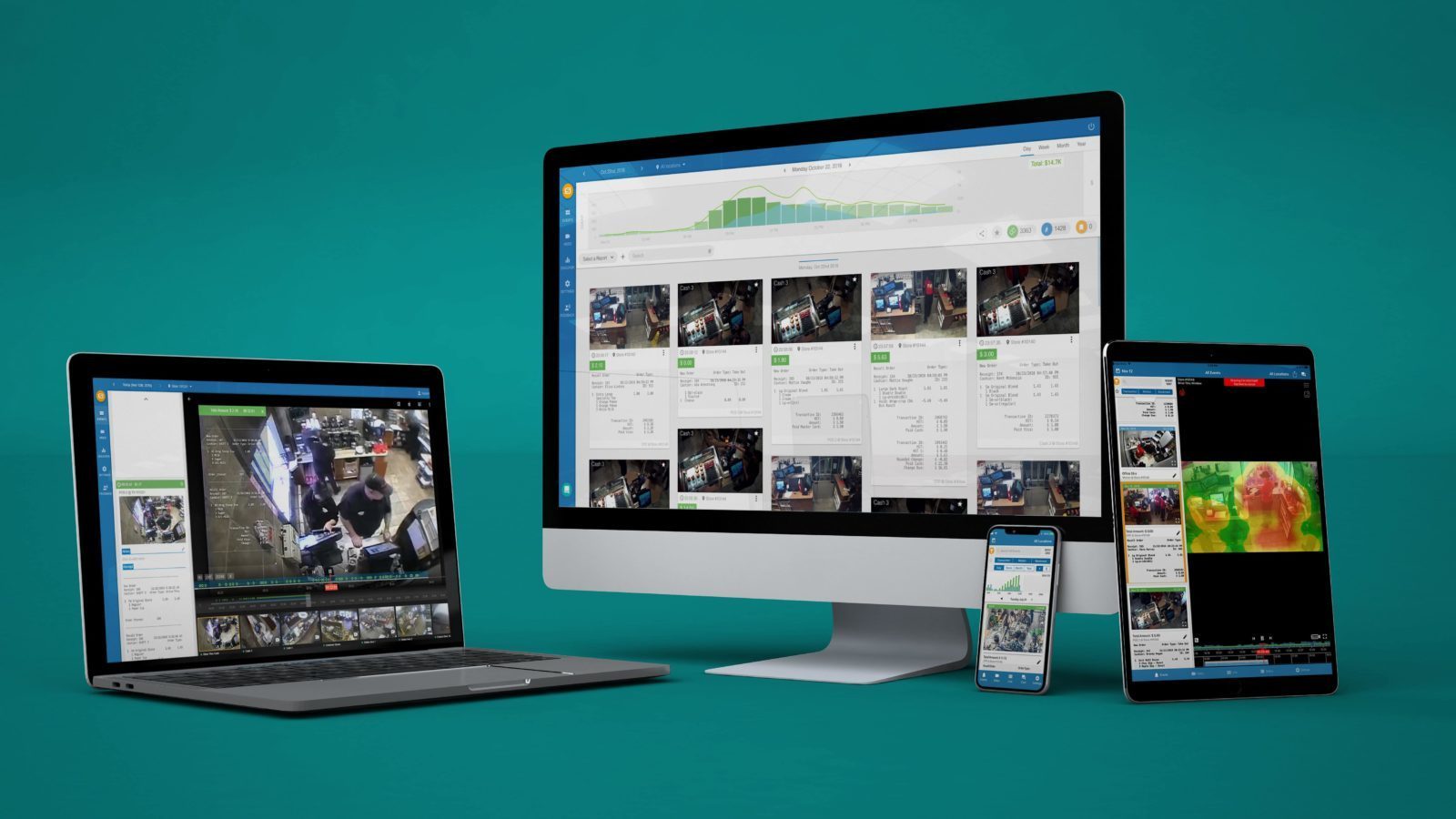
Solink Corp. raised more than $100 million, led by Vertu Capital, with Goldman Sachs also investing; its platf…
Crux Labs launched with over $6 million in funding led by Benchstrength and Misneach, with Analog Ventures and…