What happened
Micron says 35% of its revenue through 2030 is already known via take-or-pay agreements, and management expects memory tightness to be worse in 2027 and 2028 than in 2026.
Why it matters
That locked-in revenue and management's tight-supply outlook should make Micron less vulnerable to a demand downturn than in prior cycles, supporting the case that its shares are cheap.
Summaries like this, every morning.
Micron's position stems from how the memory-chip industry behaved before the AI build-out. Memory products are priced like commodities, and in normal times manufacturers compete on price with low margins, leaving little cash to fund capacity expansion. As a result, when AI demand sent memory orders through the roof, the industry had little spare capacity, and Micron and its peers sold all the memory they could produce this year.
The company is now using that squeeze to change its business model. Rather than leaving pricing to short-term market demand, Micron is starting to sign long-term supply agreements that set price floors and ceilings on a share of its chip sales and guarantee volumes across multiple years. Because these are take-or-pay agreements, Micron's revenue is practically locked in, which the company says should give investors more confidence that it will be less affected by a demand downturn than in prior cycles.
Even with new production facilities coming online starting in mid-2027, management expects the memory market to remain tighter in 2027 and 2028 than in 2026, which should keep chip prices high as supply increases. This outlook, combined with the locked-in revenue, could eventually lead the market to award Micron a higher price-to-earnings ratio closer to where tech companies normally trade.
Pick your industry and the AI tools you use, and get news related to your work every day.
Free · 30 seconds with Google · unsubscribe anytimeWhat is AIToday? →
Ask AI anything about this article. The AI reads this article, earlier AIToday articles, and Wikipedia, and cites its sources. Q&As are published on this page for other readers too.
Microsoft stock rose about 2% after hours while Alphabet fell nearly 10%, after Alphabet's sales came up short…

Google said ads inside AI Mode are rolling out to Australia, Canada, India, Kenya, Malaysia, New Zealand, Nige…

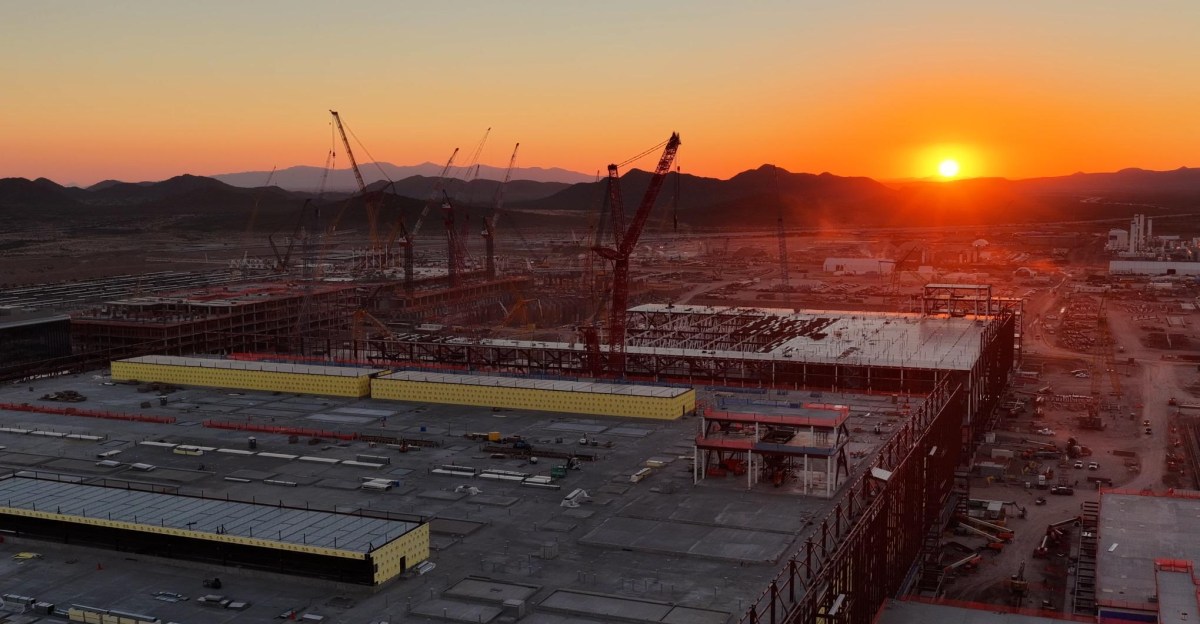
TSMC's Arizona fab consumes nearly 5 million gallons of Phoenix municipal water daily, but new hyperscale data…
Upwind Security raised $400 million in a Series C led by Bessemer Venture Partners, with Greylock Partners, Sa…
In a Nikkei xTECH "現場目線" column, the author writes that telling frontline staff to use AI at work often draws…
IDOM, which runs the used-car chain Gulliver, is starting with AI estimation of the benchmark selling prices s…