What happened
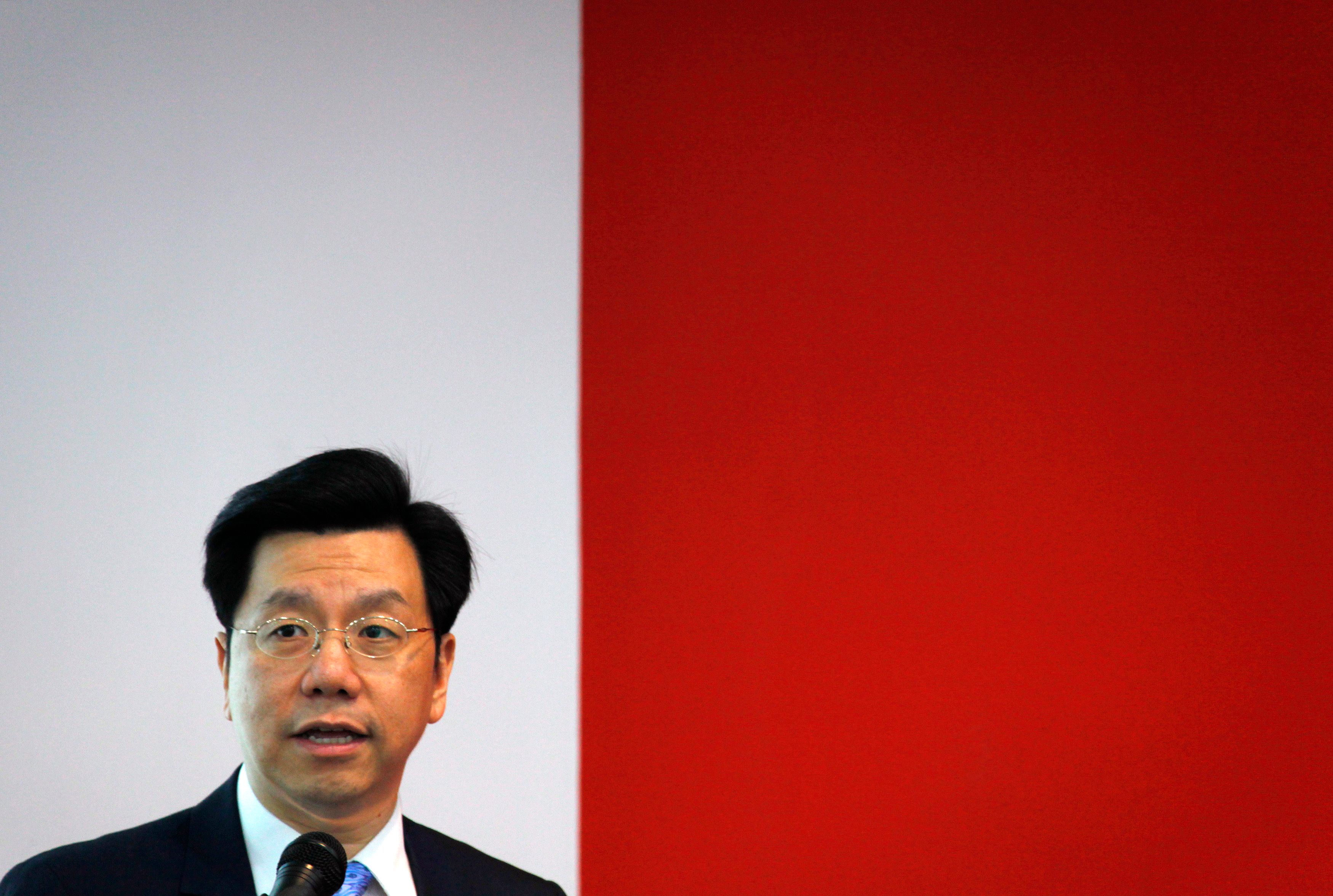
O1.ai, the Chinese AI startup founded by Kai-Fu Lee, is raising funds ahead of a potential 2027 IPO. The company has shifted away from building frontier AI models to focus on developing enterprise AI infrastructure, a move Lee attributed to last year's "DeepSeek moment" that changed the economics of AI training.
Why it matters
Lee argues that only a handful of companies with "functionally unlimited resources" can viably build frontier models from scratch, forcing other AI labs to pursue alternative strategies. O1.ai's international clients now represent half its business, showing that the enterprise infrastructure angle can generate revenue even as Chinese AI startups face market headwinds.
What to watch
O1.ai is now pursuing a 2027 IPO timeline, joining other AI labs that have gone public or announced public plans. Lee has stated the company is not targeting US clients, citing concerns over American wariness of Chinese software.
Summaries like this, in your inbox every morning.
O1.ai's strategic pivot reflects a broader reorientation in the Chinese AI startup landscape following what Lee calls the "DeepSeek moment." Rather than compete directly with well-capitalized frontier model builders, the company has recognized that enterprise infrastructure—tools and systems that help businesses deploy and manage AI—offers a more sustainable path to profitability and scale. Lee's candid assessment that only companies with "functionally unlimited resources" can build frontier models from scratch effectively concedes the frontier race to a small number of incumbents, positioning O1.ai and similar labs to capture value further down the stack. The fact that international clients already account for half of O1.ai's revenue suggests the enterprise infrastructure market is real and addressable across borders, even as the company deliberately avoids the US market due to political sensitivities around Chinese software. The 2027 IPO timeline signals confidence in this business model and aligns O1.ai with a wave of AI companies seeking public capital.
For example, today's edition would include:
AI-summarized, only the topics you pick — one digest a day via Email, LINE, or Slack.
Free · 30 seconds with Google · unsubscribe anytimeWhat is AIToday? →
Ask AI anything about this article. Q&As are published on this page for other readers too.
Amazon blocked Muse, a move Stratechery calls predictable, but the article argues there is still room for a de…

Meta surged 11 percent, Bloomberg reported, after its free AI agent Muse topped download charts following its…
Alibaba unveiled the Zhenwu V900 on September 22 at the Apsara Conference in Hangzhou, claiming three times th…

At its Apsara conference in Hangzhou, Alibaba Group said it is developing an AI model up to four times larger…
Moxie Marlinspike, who created Signal, launched Confer, an AI chatbot using Nvidia-based trusted execution env…

Xiaomi released and open-sourced its MiMo-V2.6 series on September 22, after livestreaming the reinforcement l…