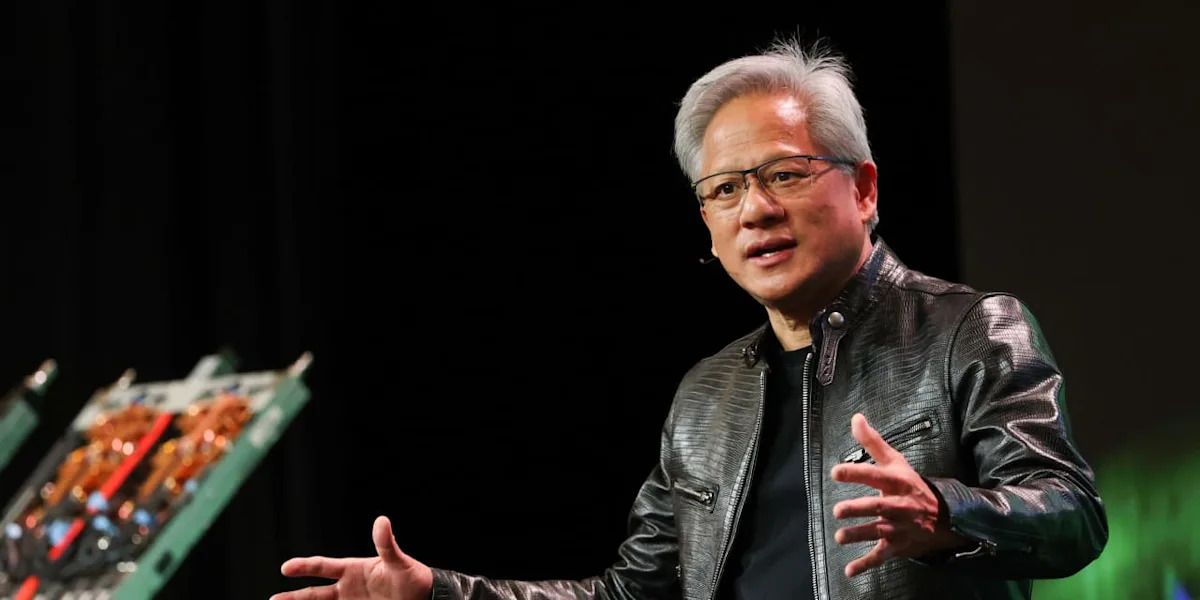
South Korea is bundling physical AI technology, domestically made semiconductors, AI-optimized mobile networks, and large data centers into a coordinated export strategy aimed at intelligent industrial systems. By combining its strengths in hardware manufacturing and infrastructure with AI capabilities, South Korea is attempting to move beyond selling individual components and instead compete as an integrated systems provider in the global industrial AI market.
Summaries like this, in your inbox every morning.
Sign up free →What happened
South Korea is combining physical AI technology, domestic semiconductors, AI-RAN networks (AI-optimized mobile networks), and gigawatt-scale data centers into a single export strategy focused on intelligent industrial systems.
Why it matters
This integrates South Korea's hardware strengths—chip manufacturing and data infrastructure—with software capabilities to create a complete, exportable industrial system. The approach positions South Korea to move beyond selling individual components and compete as a systems provider in the growing AI-powered industrial sector.
What to watch
The success of this strategy depends on whether South Korean companies can deliver these interconnected systems to export markets. Watch for early pilot deployments and announcements from South Korean tech and semiconductor firms about customer wins outside the country.
South Korea is pursuing a coordinated export strategy that combines four key technology pillars: physical AI, domestic semiconductors, AI-RAN networks, and gigawatt-scale data centers. The aim is to position these technologies as an integrated system for intelligent industrial applications, rather than as standalone products or services. By bundling these capabilities—from the chips that power AI computations, to the networks that connect industrial systems, to the data centers that process and store information—South Korea intends to create a complete, exportable industrial solution. This approach builds on South Korea's existing industrial strengths in chip manufacturing and large-scale infrastructure while adding AI and networking layers. The strategy signals a pivot toward systems-level competition, where South Korea can differentiate not just on the quality of individual components but on the seamless integration of hardware, networking, and data infrastructure required for next-generation industrial systems.
South Korea's strategy reflects a shift from component-level competition toward systems integration. Rather than competing separately in semiconductors, telecom infrastructure, and data centers—areas where it has established expertise—South Korea is now targeting a unified market: intelligent industrial systems that require all four capabilities working together. This bundled approach may offer South Korean exporters a competitive advantage by simplifying procurement for customers and ensuring technical compatibility across the stack. The strategy also leverages South Korea's existing strengths in semiconductor manufacturing and large-scale infrastructure deployment, allowing the country to capture higher value by packaging these assets together with AI and networking software.
AI-summarized, only the topics you pick — one digest a day via Email, Slack, or Discord.
Free · takes 30 seconds · unsubscribe anytime
No discussion yet for this article
Get curated AI news from 200+ sources delivered daily to your inbox. Free to use.
Get Started FreeFree · takes 30 seconds · unsubscribe anytime
1 minute a day. The AI essentials.
200+ sources · Email / LINE / Slack