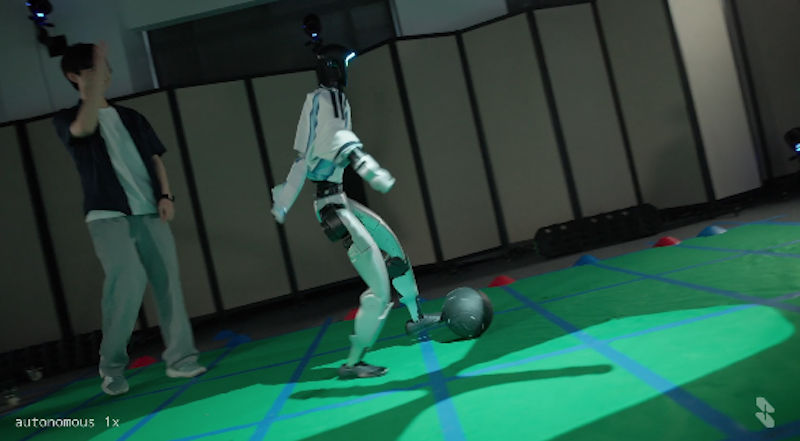
What happened
Skild AI used Nvidia Isaac Sim to give its S1 model one objective — score a goal — and let it compete against progressively stronger versions of itself. After more than 140 years of simulated play, it transferred the learned behavior to a physical humanoid that played soccer.
Why it matters
Skild argues S1-class models pre-trained on human data are capped at human capability, and that physical self-play could let robots exceed it — potentially easing the human-data bottleneck for factory, construction and home robots, if the approach transfers to practical tasks.
WHO IT HITSRobot makers and physical-AI research teams that currently depend on human demonstrations to teach new skills may gain an alternative path: use human data for broad foundations, then let robots improve autonomously in simulation.
Summaries like this, in your inbox every morning.
Skild's demonstration rests on a post-training extension of S1, the robotics foundation model it introduced in August. S1 is pre-trained on human videos, glove data, simulation and teleoperation, and is designed to learn tasks from in-context demonstrations. Skild's argument is that because such models are pre-trained on human data, they are capped at human capability, and that physical self-play offers a way past that ceiling.
The self-play method itself is borrowed from software AI. DeepMind used it extensively in AlphaGo, and it later contributed to systems that play StarCraft II and Dota 2. Skild is trying to extend the same principle into physical AI, where a robot must learn the movements as well as the strategy. Soccer serves as the test because it combines locomotion, manipulation, recovery from physical disturbances and interaction with opponents.
The company frames the simulation-to-humanoid transfer, alongside the complexity of the task, as a bright green flag for self-play on the road to physical AGI. It is also experimenting with larger groups of agents, and says early four-agent experiments have begun to produce passing and coordination. The broader implication Skild draws is an alternative way of scaling robot learning: use human data to establish foundations, then let robots improve autonomously in simulation — which, if it transfers to practical tasks, could reduce the human-generated data that physical AI currently requires.
Pick your industry and the AI tools you use, and get news related to your work every day.
Free · 30 seconds with Google · unsubscribe anytimeWhat is AIToday? →
Ask AI anything about this article. The AI reads this article, earlier AIToday articles, and Wikipedia, and cites its sources. Q&As are published on this page for other readers too.
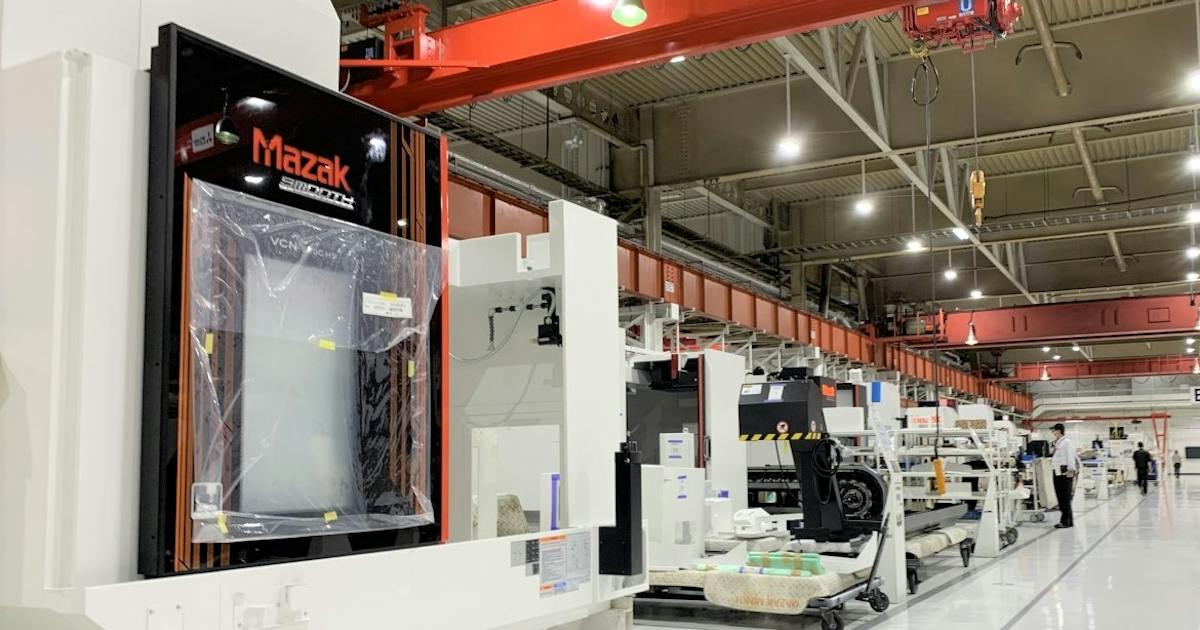
Yamazaki Mazak and ABEJA said on the 16th they will start joint development of physical AI, using ABEJA's ABEJ…
Toyota Motor's Japan Mobility Show Bizweek 2026 booth centers on its AI basketball robot CUE7, has no other ex…
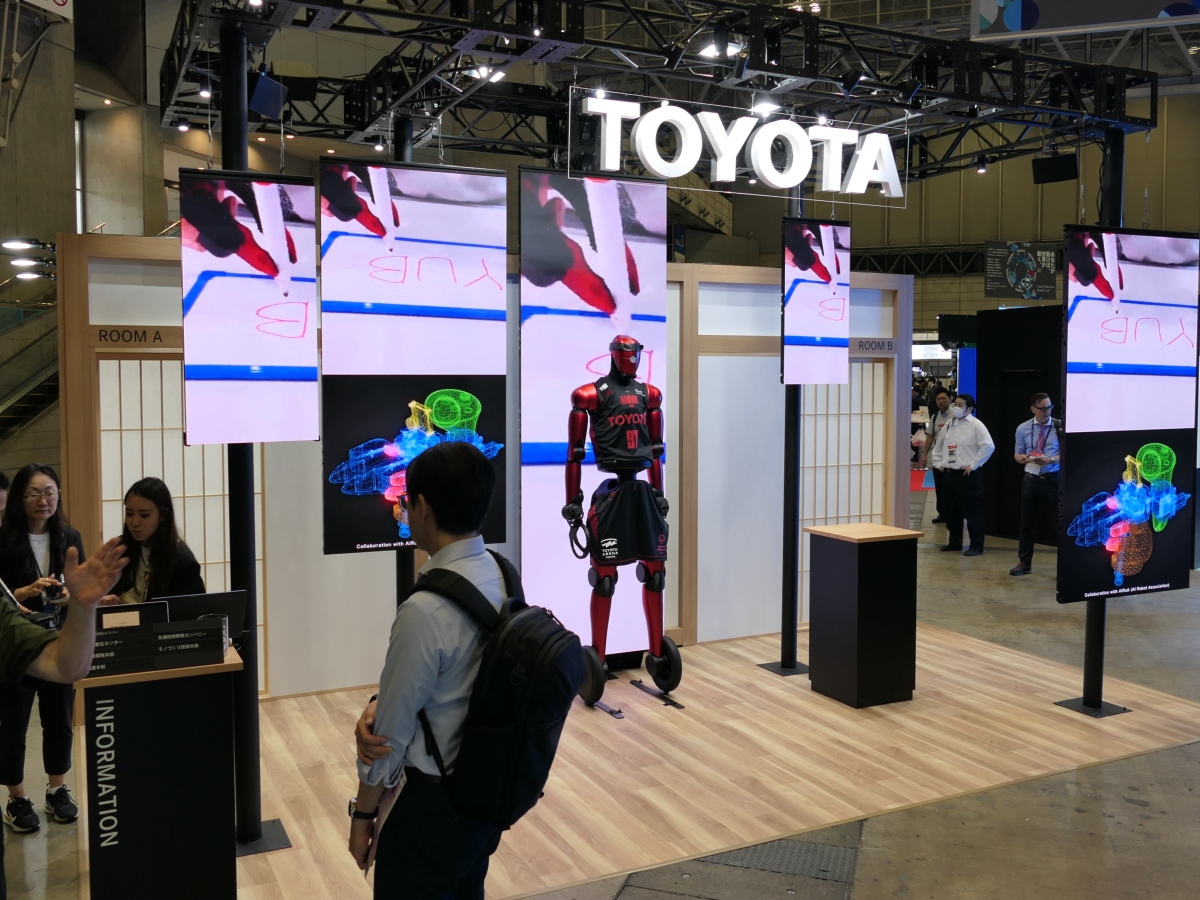
Japan Mobility Show Bizweek 2026 showcased Physical AI applications, including Toyota's basketball-playing rob…
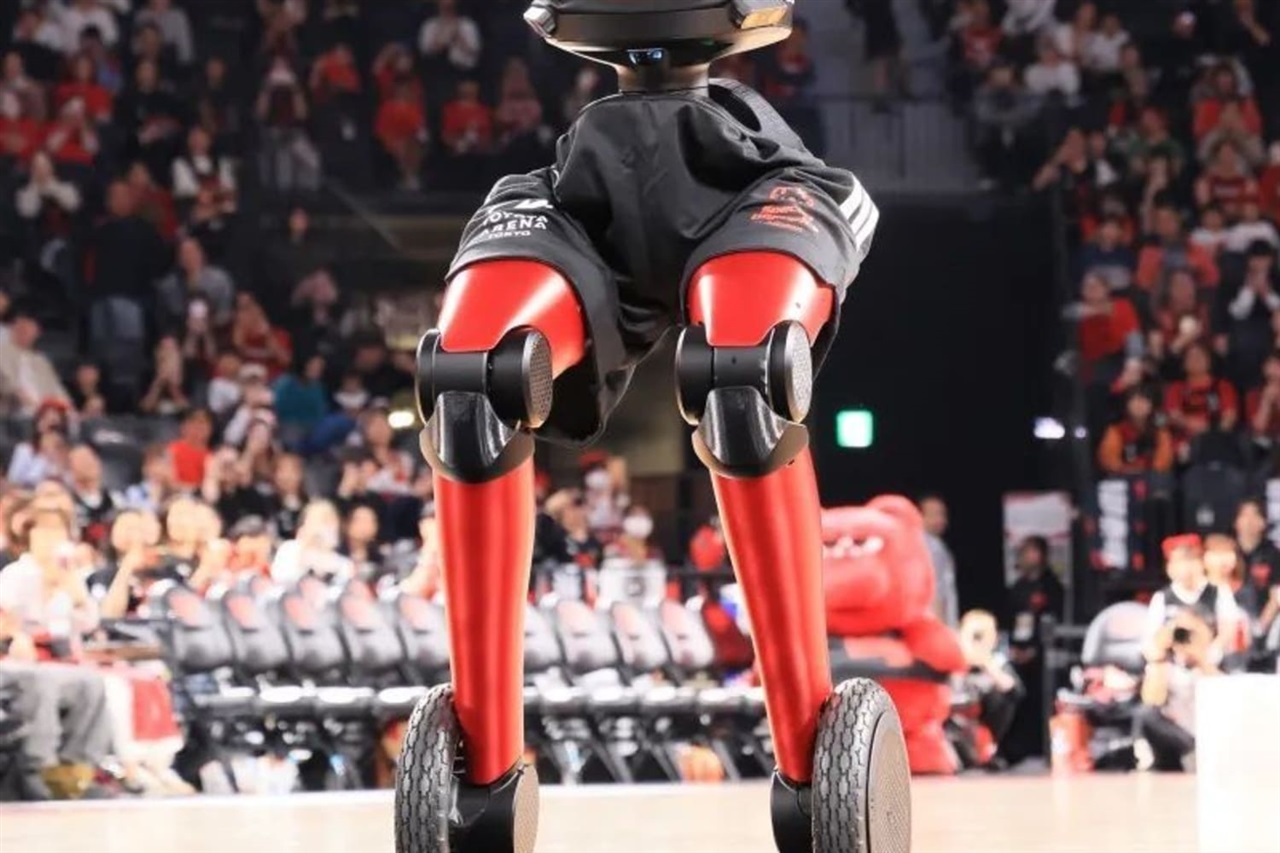
Google pitched Gemini 4 Argon as one model for robot control, simulation and training-data review, saying it s…
Researcher Sammy Azdoufal discovered Energize Lab's Eiliko robot stores 13 million conversations from 68,000 t…
ZOZO NEXT and AVITA signed an MOU on joint research into textiles and clothing specialized for humanoid robots…