AIToday
Tomasz Tunguz (Theory Ventures)Published: Aug 21, 2026, 04:03 JST2 min read

AI agents let non-experts design in CAD, but depth still matters

AI agents let non-experts design in CAD, but depth still matters

Key takeaway

  • AI agents are democratizing access to specialized software by letting users express intent in plain English instead of mastering application-specific grammar—illustrated by a non-technical founder using Codex to design a previously unmanufacturable dress in CAD.

  • However, the trend does not eliminate the need for expertise; as in software engineering where agents write most code but humans still solve hard problems, depth of knowledge will remain critical in systems where depth is the job.

3 Key Points

  1. What happened

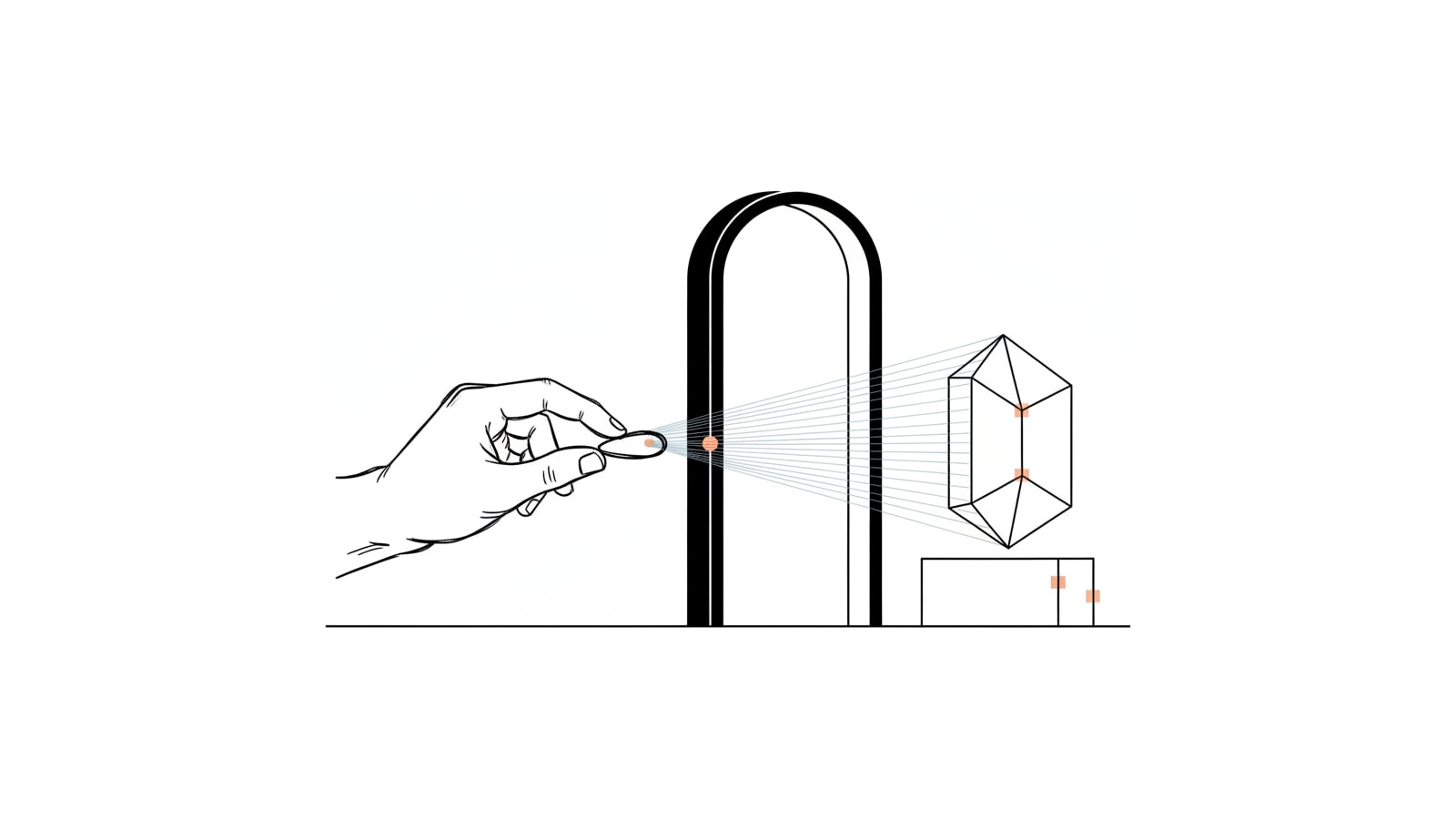
    AI agents are lowering barriers to specialized software by translating natural English into application-specific grammar. A non-technical founder used Codex to direct CAD software and produce a dress design that was previously unmanufacturable.

  2. Why it matters

    Every powerful tool—from Figma to Salesforce to CAD—requires mastery of its own unique language and constraints. AI agents let users bypass that learning curve by expressing intent in plain language while the agent handles the technical details. However, the body of work suggests that subject-matter expertise does not disappear; experts will remain essential for solving hard problems that require deep understanding of the underlying system.

  3. What to watch

    Whether AI agents become the standard interface for specialized software, and how the balance settles between novice accessibility and the irreducible need for expert judgment in domains where depth is the core competency.

Ask the AI about this article →

Context & Analysis

The article observes a structural pattern across specialized software: every tool—from design platforms like Figma to CRM systems like Salesforce to engineering software like CAD—has its own embedded grammar of concepts and constraints that users must learn to operate effectively. This grammar-as-barrier has historically meant that power and usability exist in tension: the most capable tools remain accessible only to people with sufficient expertise.

AI agents introduce a new interface layer that translates between human intent (expressed in natural language) and application grammar. The Codex example demonstrates this concretely: a founder without CAD expertise could specify a dress design in plain English and let the AI agent handle the translation into CAD's mechanical and structural vocabulary. The result—a design previously impossible—shows the genuine productivity gain.

However, the article hedges this optimism with an important caveat drawn from the parallel of software engineering: agents will handle routine translation and execution, but when systems are stressed by hard problems—cases where the naive application of grammar produces errors—humans who understand the underlying system remain indispensable. The implication is that AI agents democratize the entry point to specialized tools without rendering expertise obsolete.

FAQ

How did the non-technical founder use AI to design in CAD?
She directed Codex, an AI system, to drive the CAD software and produce the dress design, translating her intent expressed in English into the CAD application's technical grammar.
Does AI eliminate the need for experts in specialized fields?
No. The article notes that as in software engineering where agents write most code but humans still tackle hard problems, experts remain essential in systems where deep understanding of the underlying system is the job.
Tomasz Tunguz (Theory Ventures)Read Original Article

Get AI news like this every morning

AI-summarized, only the topics you pick — one digest a day via Email, Slack, or Discord.

Free · takes 30 seconds · unsubscribe anytime

Ask AI

Ask AI anything about this article. Q&As are published on this page for other readers too.

Next articleFBI Task Force Grounds Firefighting Drones Over Spokane Wildfires

The AI news that matters, in one minute each morning.

Sign up free
