What happened
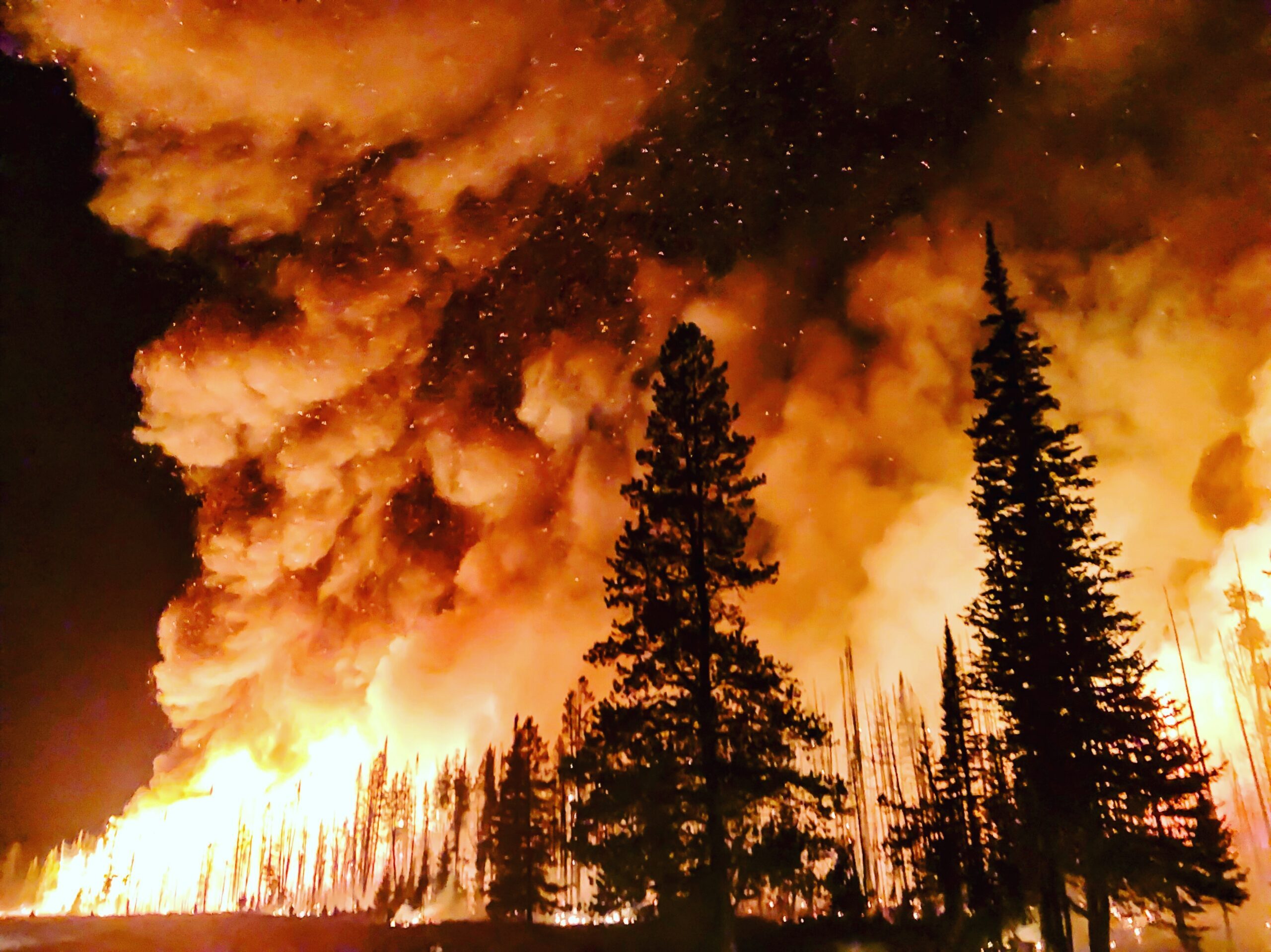
During wildfires near Spokane, Washington in early August, an FBI Counter-UAS Task Force detected 26 unauthorized drones on August 2 and 13 more on August 3 operating in a temporary flight restriction (TFR) zone. Firefighting aircraft were temporarily grounded for over an hour due to safety concerns from the unauthorized drone traffic. Task Force members contacted drone pilots to bring their drones down; no arrests were made, but pilot information was referred to the FAA.
Why it matters
The wildfires destroyed some 800 buildings and forced evacuations of tens of thousands of residents. Grounding firefighting aircraft, even briefly, could have meant neighborhoods were not protected during critical moments. The incident shows how unauthorized drone flights during emergencies directly obstruct life-saving operations and highlights the need for pilots to respect FAA restrictions in disaster zones.
What to watch
The FBI emphasizes that drone pilots must check the FAA's B4UFLY website before flying to verify whether temporary flight restrictions are active in their area. The Counter-UAS Task Force, formed recently and comprising members of the King County Sheriff's Office, Spokane County Sheriff's Office, Seattle Police Department, and Washington State Patrol, will likely respond to similar incidents in the future.
Summaries like this, in your inbox every morning.
The Spokane wildfires—which destroyed some 800 buildings and evacuated tens of thousands of residents in early August—triggered a cascade of emergency operations, including the establishment of temporary flight restrictions (TFRs) covering five areas near the city from August 2 through August 15, extending from the surface to 7,000 feet MSL. The FBI Counter-UAS Task Force, a recently formed multi-agency unit that had been providing oversight at the Boeing Seafair Air Show in Seattle, was redeployed to the western side of the state after learning of the evacuation threat. When Task Force members arrived on August 1 and began operations the next day, they immediately observed unauthorized drone activity in the restricted airspace.
The scale of the problem escalated quickly: 26 drones detected on August 2 alone within seven hours, then 13 more the following day. The critical moment came when the air boss directing all firefighting air missions decided the drone traffic had become too dangerous and grounded the aircraft. This decision highlighted the core tension that officials emphasized: firefighting aircraft grounded for over an hour could not protect neighborhoods during those critical moments, making the interference not merely an inconvenience but a potential threat to lives. The Task Force's response was methodical but non-lethal—electronic countermeasures and ground intercept teams located pilots and compelled them to land their drones rather than shooting them down, avoiding the risk of falling debris or battery fires. Although no arrests were made, the FAA was notified for possible further investigation, and both criminal statutes and FAA regulations were noted as potential violations.
Pick your industry and the AI tools you use, and get news related to your work every day.
Free · 30 seconds with Google · unsubscribe anytimeWhat is AIToday? →
Ask AI anything about this article. The AI reads this article, earlier AIToday articles, and Wikipedia, and cites its sources. Q&As are published on this page for other readers too.
Plans for the Terafab project are beginning to take shape, with Elon Musk pursuing a scaled chipmaking initiat…
Shield AI is taking GE Aerospace deeper into AI's most unusual battleground, according to Benzinga

Honda's ASIMO developer 竹中透 will appear at a seminar on 11月11日 to discuss the era of フィジカルAI, physical AI

Ondas and Palantir are partnering to launch Regna AI, a new company that will develop specialized AI models fo…

At the World Humanoid Robot Games 2026 in Beijing, Tiangong Ultra ran the 100 metres in 8.64 seconds, faster t…

Gary S. Guthart said Intuitive Surgical is deepening its Shanghai presence in clinical training, the surgical…