Summaries like this, in your inbox every morning.
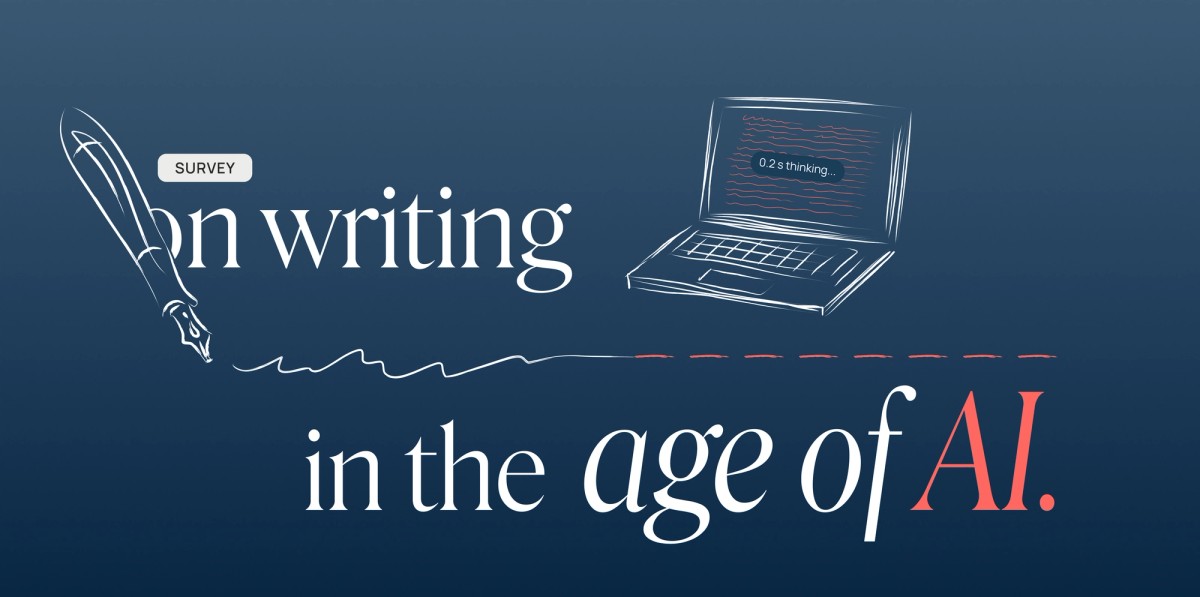
Sign up free →On April 10, 2026, Ellipsus (a writing platform with nearly half a million writers) published survey results from 5,202 respondents about how generative AI is affecting creative work. Key finding: readers now approach almost all text in 'forensic mode'—constantly questioning whether a human wrote it—and nearly half of writers worry their own work could be mistaken for AI-generated content.
False accusations of AI use are spreading across online publishing and fan-writing spaces, with polished writers being publicly attacked with little evidence. In response, some writers are deliberately degrading their own work—removing em dashes, using simpler vocabulary, and injecting intentional errors—to appear 'just human enough.' Others have stopped posting entirely to protect their work from scraping and misuse.
The survey reveals a fracture in creative communities: suspicion between readers and writers is eroding trust that once allowed people to simply enjoy stories. For readers, this means hesitation to engage with new work post-2024 (fearing disappointment if a story turns out to be AI-generated). For writers, it means isolation—some have withdrawn from public platforms altogether rather than face harassment or have their words used to train AI systems.
No comments yet. Be the first to share your thoughts!
Log in to join the discussion


Get curated AI news from 200+ sources delivered daily to your inbox. Free to use.
Get Started FreeFree · takes 30 seconds · unsubscribe anytime
1 minute a day. The AI essentials.
200+ sources · Email / LINE / Slack
