What happened
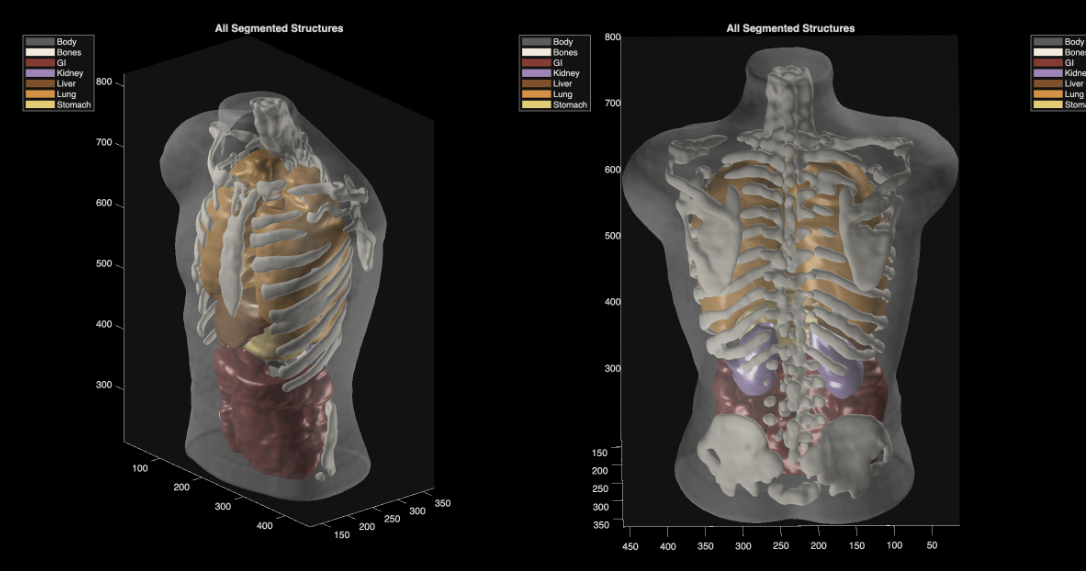
Midjourney, the AI image-generation startup, released a behind-the-scenes video of its ultrasound scanner—described as ultrasound probes connected to off-the-shelf computers and Raspberry Pis in a modified hot tub. The nearly 20-minute tour, led by engineer Marcin Plaza, showed the hardware and team but largely sidestepped physics and imaging questions that experts raised when the project was first announced.
Why it matters
Experts told The Verge that Midjourney has shown little evidence it can overcome the well-known limits of ultrasound or deliver the detailed images at the scale and speed it promises. The company is positioning the scanner as a wellness product focused on body composition rather than a diagnostic medical device, which allows it to sidestep FDA clearance and clinical trials—but the video still uses medical language, suggesting physicians could benefit from frequent scans over time. This approach may appeal to investors or early adopters, but the lack of independent validation leaves open questions about real-world performance.
What to watch
Midjourney plans to deploy the scanner in spas once testing is complete. CEO David Holz said the company's lack of investors gives it freedom to pursue the project without outside pressure. The company has promised frequent blog updates on progress.
Summaries like this, in your inbox every morning.
Pick your industry and the AI tools you use, and get news related to your work every day.
Free · 30 seconds with Google · unsubscribe anytimeWhat is AIToday? →
Ask AI anything about this article. The AI reads this article, earlier AIToday articles, and Wikipedia, and cites its sources. Q&As are published on this page for other readers too.
In Q2, billionaires or their funds sold six 'Magnificent Seven' AI stocks
Nvidia was rising early Friday, even as the wider chip sector kept falling, Barron's reported
ElevenLabs completed a $300 million employee tender at a $22 billion valuation, and co-founder Mati Staniszews…

On October 15, OpenAI announced the Rosalind Academic Plan, giving approved US university labs free access to…
Neostellar Capital principal Evan Schlossman said CoreWeave's $103.7 billion in remaining performance obligati…
Supermicro Computer appointed Mark Long as chief financial officer, bringing an experienced technology finance…