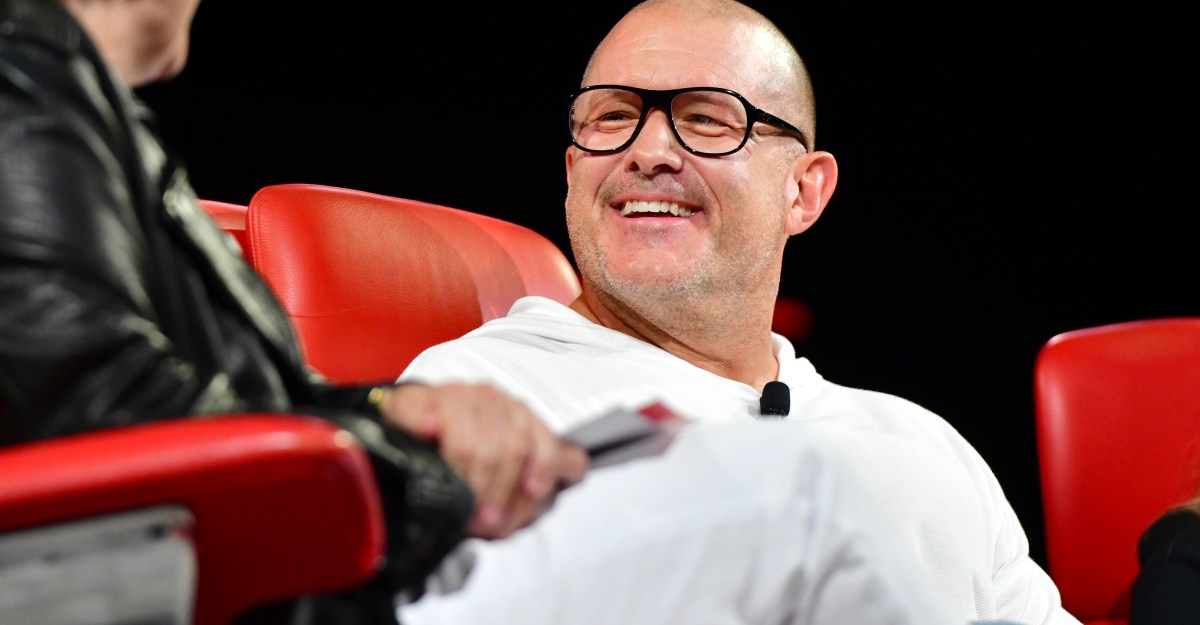
What happened
OpenAI is developing a battery-powered smart speaker with former Apple designer Jony Ive, doughnut-shaped and roughly the size of a hockey puck, expected to launch in 2027 for a price over $300. The device will have moving parts that show when it is responding, lights, a camera system, and sensors.
Why it matters
The device works like ChatGPT's voice mode but with more advanced models for humanlike interactivity, and is designed to be portable and easy to carry around the home with one hand—positioning it as a pocket personal assistant rather than a stationary smart home hub.
What to watch
This may be the first in a family of devices OpenAI has planned, though more details are expected before the device arrives in 2027.
Summaries like this, in your inbox every morning.
OpenAI's collaboration with Jony Ive marks the company's entry into hardware design, departing from its software-focused identity. The smart speaker represents a strategic shift toward physical devices that can deliver AI interaction beyond a smartphone screen—a move that mirrors Apple's historical emphasis on device design and user experience, even as OpenAI and Apple face ongoing legal disputes. The device's portability and battery-powered design signal an intent to compete in the personal assistant category, positioning it closer to Amazon's discontinued Tap speaker than to stationary smart home hubs. Bloomberg's reporting indicates this is envisioned as the first in a family of devices, suggesting OpenAI is planning a broader hardware ecosystem rather than a one-off product.
For example, today's edition would include:
AI-summarized, only the topics you pick: one digest a day via Email, LINE, or Slack.
Free · 30 seconds with Google · unsubscribe anytimeWhat is AIToday? →
Ask AI anything about this article. The AI reads this article, earlier AIToday articles, and Wikipedia, and cites its sources. Q&As are published on this page for other readers too.
NVIDIA announced the NVIDIA Open Agent Safety Platform, an open software platform and reference design to secu…

Bank of America announced Payments Insights, a new CashPro capability that analyzes payment efficiency, cross-…
NVIDIA announced its NVIDIA Open Agent Safety Platform, combining OpenShell open-source software for secure ag…
Dell's AI server backlog rose to $95 billion after a record $60.9 billion in AI server orders in fiscal Q2, wi…
Cantor says Marvell's AI opportunity could expand to $625B by 2030, with revenue growing at up to a 45% CAGR

AbbVie partnered with Iambic, a company that is IPO-bound, to apply AI to drug discovery