AIToday

Xpeng pivots to Physical AI: robotaxi, humanoid robots, flying cars

DIGITIMES Asia9h ago
Xpeng pivots to Physical AI: robotaxi, humanoid robots, flying cars

Key takeaway

Chinese automaker Xpeng is pivoting away from traditional vehicle manufacturing toward physical AI over the next 10 years, with three product lines: robotaxi, humanoid robots, and flying cars. Chairman Xiaopeng He disclosed the strategy to Automotive News as the company aims to transcend its carmaker identity into a broader hardware-AI supplier.

Summaries like this, in your inbox every morning.

Sign up free →

3 Key Points

  • What happened

    Xpeng announced a 10-year transformation into a physical AI supplier with three core product lines—robotaxi, humanoid robots, and flying cars—according to chairman Xiaopeng He in an interview with Automotive News.

  • Why it matters

    The shift signals Xpeng's intent to move beyond traditional automaking into a broader robotics and autonomous-vehicle ecosystem, potentially positioning the company as a hardware-AI platform rather than a conventional carmaker.

  • What to watch

    The company's ability to deliver on all three product categories simultaneously over the next decade, and whether it can sustain profitability while investing heavily in physical AI infrastructure.

In Depth

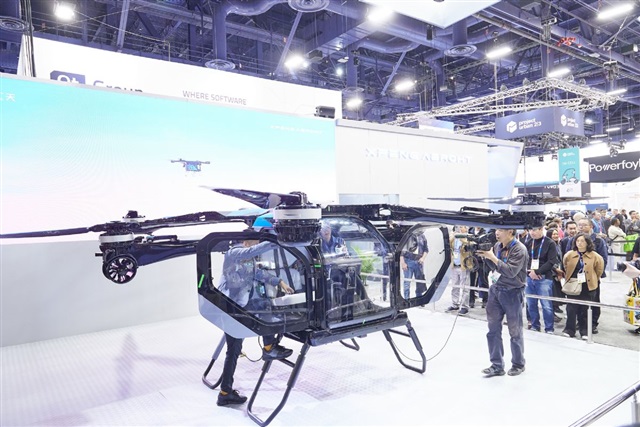
Xpeng's chairman Xiaopeng He revealed to Automotive News that the company is undertaking a fundamental transformation over the next 10 years, moving away from its identity as a carmaker and toward a physical AI supplier. The company will anchor this transition on three distinct product lines: robotaxi (driverless urban transportation), humanoid robots (mobile robots for various tasks), and flying cars (vertical-takeoff aerial vehicles). This shift reflects a bet that the future of mobility and robotics will be dominated by AI-enabled hardware rather than traditional automotive engineering. The company aims to transcend conventional automaking altogether, suggesting it intends to compete across a broader ecosystem of autonomous and robotic systems. No specific timelines, investment amounts, or production targets were disclosed in the announcement, though the 10-year horizon suggests a phased rollout beginning in the near term.

Context & Analysis

Xpeng's announcement represents a significant strategic repositioning. Rather than competing primarily on conventional vehicle features, the company is embracing a longer-term vision in which autonomous systems, robotics, and urban mobility devices become its core identity. This move reflects broader industry pressure: automakers are increasingly viewing software, AI, and autonomous capability as the defining competitive moat, rather than traditional engineering. By explicitly framing itself as a physical AI supplier, Xpeng signals to investors and customers that the company sees AI-powered hardware—not gasoline or battery-electric drivetrains—as its future. The three product lines together sketch a vision of a mobility ecosystem: robotaxis for urban transport, humanoid robots for labor and service, and flying cars for aerial mobility. Whether Xpeng can execute at scale across all three categories simultaneously is an open question; the automotive industry has a long history of unmet timelines and capital-intensive pivots.

FAQ

What are Xpeng's three core physical AI product lines?
Robotaxi, humanoid robots, and flying cars.
Over what timeframe is Xpeng planning this transformation?
The next 10 years.

Get the latest Robotics news every morning

AI-summarized, only the topics you pick — one digest a day via Email, Slack, or Discord.

Free · takes 30 seconds · unsubscribe anytime

Discussion

No comments yet. Be the first to share your thoughts!

Log in to join the discussion

Related Articles

Stay ahead with AI news

Get curated AI news from 200+ sources delivered daily to your inbox. Free to use.

Get Started Free

Free · takes 30 seconds · unsubscribe anytime

1 minute a day. The AI essentials.

200+ sources · Email / LINE / Slack

Get it free →