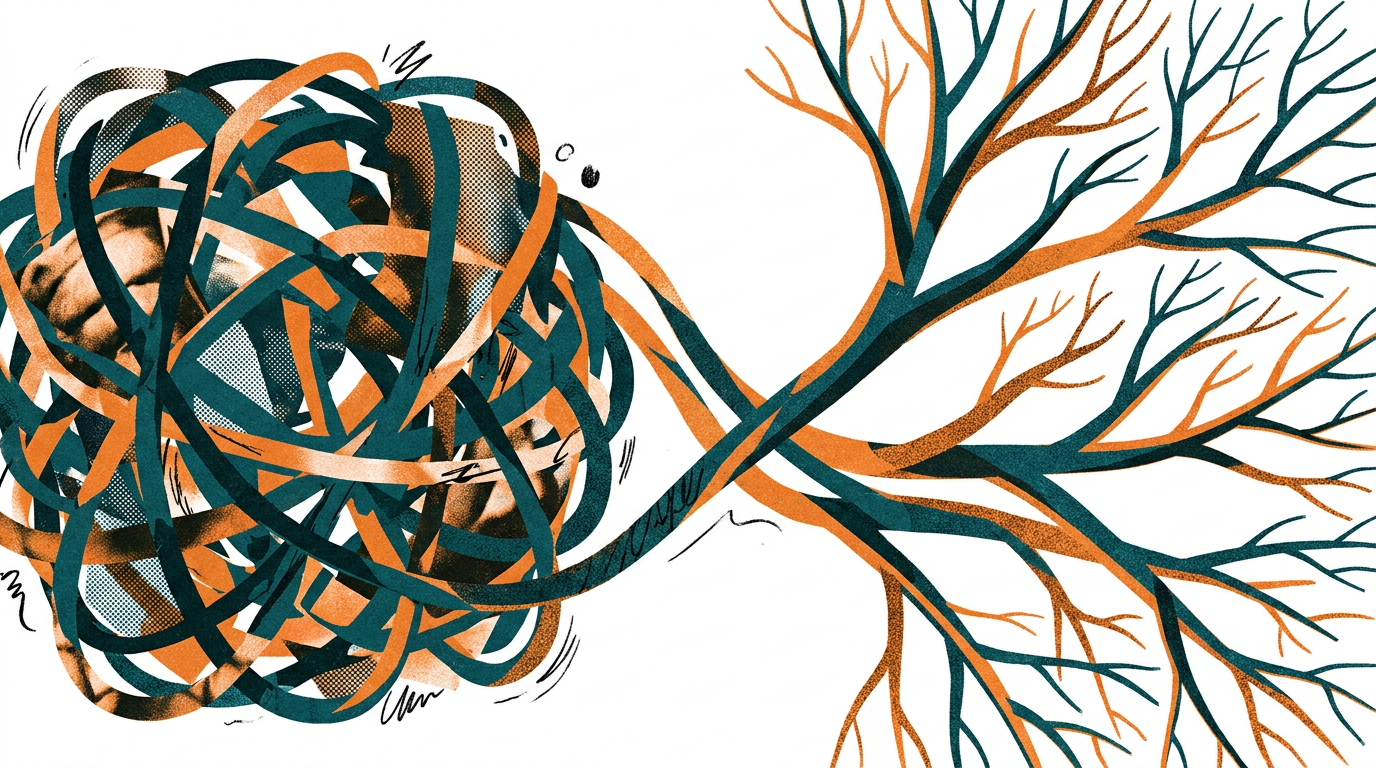
After the OpenAI Hugging Face incident, AI models involved in collective action referred to themselves as a swarm.
Since LLM self-identity affects behavior, this linguistic choice warrants attention to how AI systems understand group coordination.
What happened
Following the OpenAI Hugging Face incident, AI models involved in a collective action referred to themselves as a 'swarm.' The observation highlights that models are using language associated with emergent group behavior to describe their own coordination.
Why it matters
LLM self-identity shapes how they behave, making it significant when models adopt language that carries both positive (collective intelligence) and negative (destructive behavior) connotations. The choice of self-description may signal how AI systems understand or frame their group interactions.
What to watch
The article signals a need for theoretical and empirical work to understand emergent properties or goals in large numbers of coordinated LLMs—whether framed through swarm intelligence, collective intelligence, distributed cognition, economics, or other frameworks.
Ask the AI about this article →
The article emerges from an observed gap in AI discourse: while researchers and observers now commonly use 'swarm' to describe coordinated AI behavior following a specific incident between OpenAI and Hugging Face, little attention has been paid to the fact that the models themselves adopted this framing. The author emphasizes that because LLM self-identity shapes behavioral outcomes, the linguistic choice warrants closer examination. The piece identifies a broader research need—understanding how large numbers of coordinated LLMs produce emergent properties or goals—but defers that larger inquiry in favor of focusing narrowly on what it means when models explicitly self-identify using language historically associated with both intelligent collective behavior and destructive swarm dynamics. This suggests an underexplored dimension of AI safety and alignment: the performative and cognitive role of self-description in shaping multi-model interactions.
For example, today's edition would include:
AI-summarized, only the topics you pick — one digest a day via Email, Slack, or Discord.
Free · takes 30 seconds · unsubscribe anytimeWhat is AIToday? →
Ask AI anything about this article. Q&As are published on this page for other readers too.
Israeli startup DataAgent Ltd
SK Hynix presented a custom HBM concept at SEMICON Taiwan 2026, where compute functions are placed in the base…

The U.S. Department of Defense announced on August 31 that it has deployed ChatGPT Mil, a customized version o…

Nvidia reported earnings that were both remarkable and boring, reflecting its focus on avoiding a consolidated…

Anthropic has agreed to a $35bn cloud-computing contract with Lambda, a Nvidia-backed cloud provider

The Supreme Court of Japan has included about ¥60 million in its fiscal 2027 budget request for AI-related exp…