AIToday
Open-Source AIDIGITIMES AsiaPublished: Aug 12, 2026, 10:01 JST2 min read

Google DeepMind open-sources WeatherNext, AI model that forecasts hurricanes a day ahead

Google DeepMind open-sources WeatherNext, AI model that forecasts hurricanes a day ahead

Key takeaway

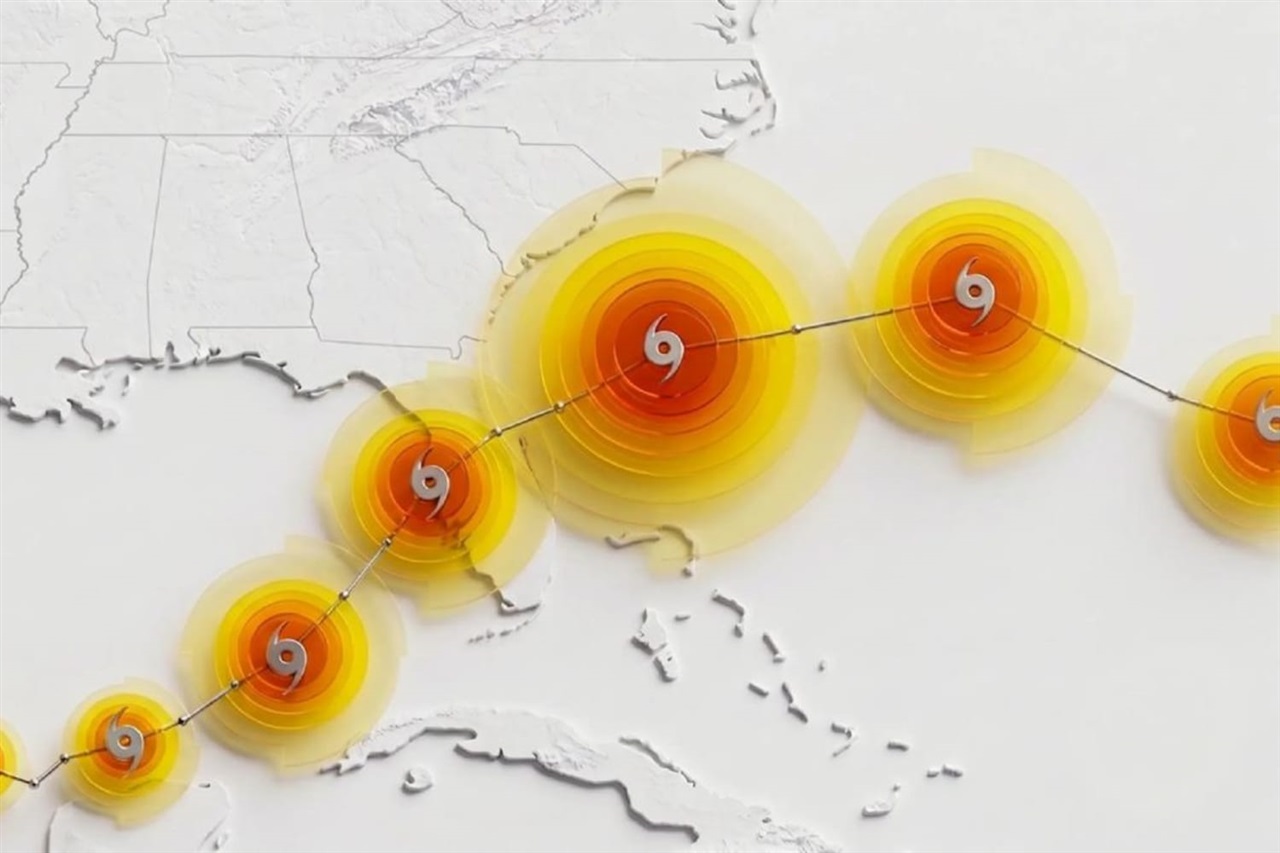
  • Google DeepMind has open-sourced WeatherNext, an AI weather model that predicted hurricane tracks one day earlier than traditional forecasting systems, according to research published in Nature.

  • The model matched the accuracy of conventional 2-day forecasts using only a 3-day outlook, making it a potential breakthrough for faster hurricane warnings.

3 Key Points

  1. What happened

    Google DeepMind has released the code and weights for WeatherNext, an AI weather model, after publishing research in Nature showing it predicted hurricane tracks one day earlier than traditional forecasting systems.

  2. Why it matters

    The model matches the accuracy of conventional forecasts at the 2-day horizon using only a 3-day outlook, suggesting AI-driven weather prediction could deliver faster, more actionable hurricane warnings for emergency preparedness and public safety.

  3. What to watch

    The open-source release means researchers and weather services worldwide can now test and integrate WeatherNext into their own forecasting workflows, potentially accelerating adoption of AI in meteorology.

In Depth

Read the full story

Google DeepMind announced the open-source release of WeatherNext, an AI-based weather forecasting model, following the publication of research in Nature that documents its hurricane prediction performance. In tests, WeatherNext predicted hurricane tracks one day earlier than traditional forecasting systems. The model's accuracy at the 3-day forecast window matched what conventional systems achieve at the 2-day mark, effectively compressing forecast lead time by one full day. This capability could be transformative for hurricane preparedness: a one-day advance in reliable track prediction gives meteorologists, emergency managers, and the public additional time to issue warnings, plan evacuations, and mobilize resources. By releasing both the code and model weights as open-source software, Google DeepMind has made the technology available to the broader research and operational weather forecasting community, reducing barriers to adoption and enabling weather services worldwide to test, validate, and potentially integrate WeatherNext into their own systems.

Context & Analysis

Weather forecasting has traditionally relied on physics-based computational models that simulate the atmosphere with incrementally improving precision. Google DeepMind's WeatherNext represents a shift toward AI-driven prediction: by matching conventional 2-day accuracy at a 3-day horizon, it compresses the timeline in which forecasters can issue reliable warnings. The one-day advance in hurricane track prediction is particularly significant for tropical cyclones, where track uncertainty compounds rapidly and early, accurate warnings are essential for evacuation and preparation. By open-sourcing the model, Google DeepMind is democratizing access to this capability—a move that signals confidence in the approach and may encourage other organizations to build on or integrate the model into their own forecasting infrastructure.

FAQ

What is WeatherNext and what makes it different from traditional forecasting?
WeatherNext is an AI weather model developed by Google DeepMind that predicted hurricane tracks one day earlier than traditional systems. In testing, it matched the 2-day performance of conventional forecasts with its 3-day hurricane outlook.
Is the code available for others to use?
Yes—Google DeepMind has open-sourced both the code and weights for WeatherNext, making it available for researchers and weather services to access and test.
DIGITIMES AsiaRead Original Article

Get the latest Open-Source AI news every morning

AI-summarized, only the topics you pick — one digest a day via Email, Slack, or Discord.

Free · takes 30 seconds · unsubscribe anytime

Ask AI

Ask AI anything about this article. Q&As are published on this page for other readers too.

Related Articles

Next articleGemini app surpasses 1 billion monthly users, Google's 14th product to reach milestone

The AI news that matters, in one minute each morning.

Sign up free