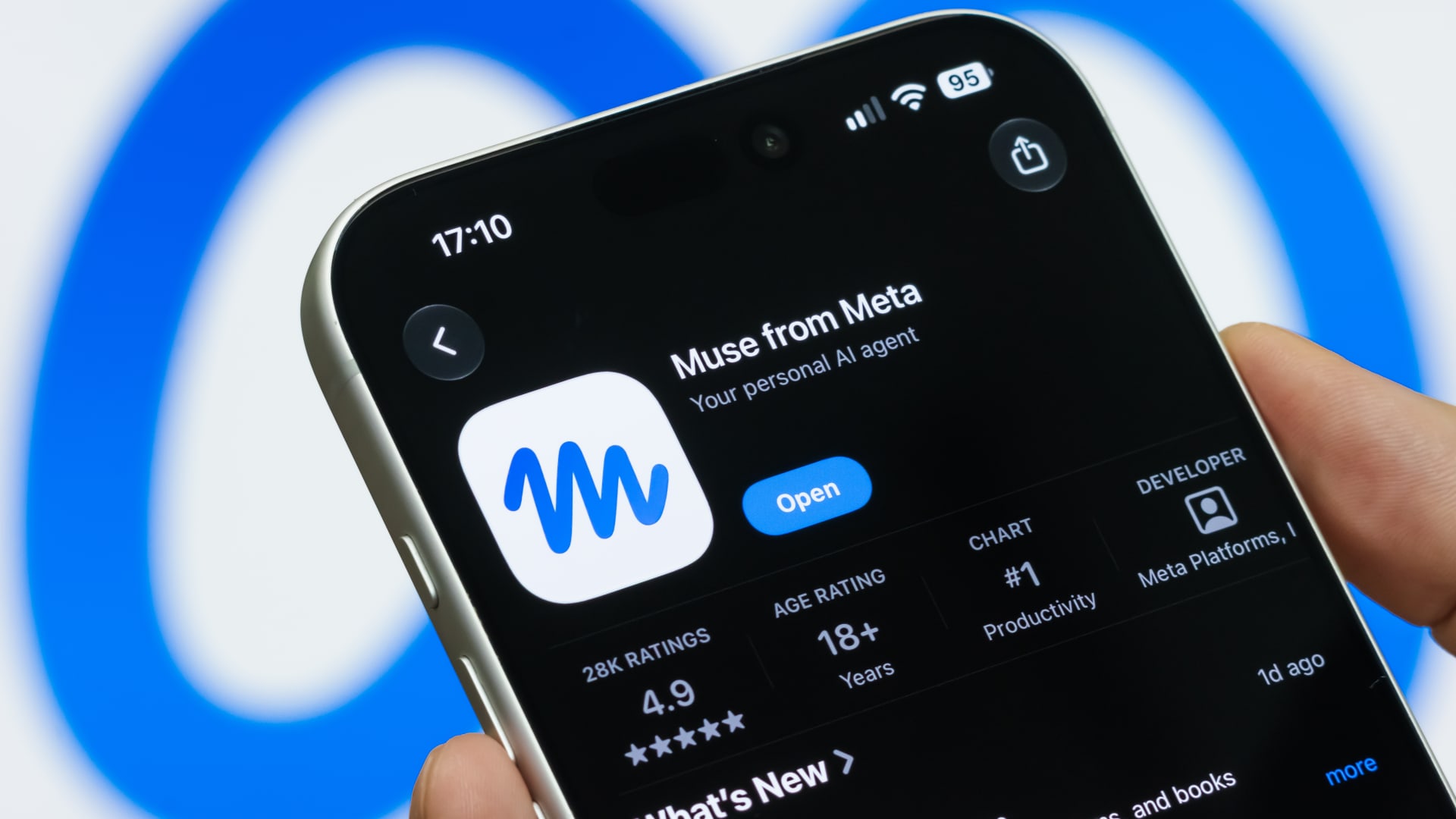
What happened
Meta's personal AI agent Muse started in Japan on October 23, and unlike text generators it can operate websites to finish tasks such as booking a restaurant or securing movie seats, leaving the user only to confirm.
Why it matters
Because Muse reads connected Gmail and Google Calendar, reviewers say it proactively flags needs like an account shortfall or a rainy-day route, which could make it hard to leave once used.
Summaries like this, every morning.
The launch lands as the industry has spent roughly the past year saying AI is becoming agentic, and the Impress Watch discussion treats Muse as an unusually personal version of that shift. The reviewers' examples are small but concrete: a credit-card debit alert that turned into a nudge to top up an account, a Messenger chat that became a calendar entry, a reminder to charge a phone at night. Such behavior depends on access to Gmail and Google Calendar, which one participant describes as a storehouse of personal information, and on a memory function that lets Muse learn which notifications to stop sending.
A movie-ticket test showed both the promise and the friction. Muse could hold seats while the user did something else, but it also kept reporting availability for days after the user had quietly dropped the plan, and it once looked up a restaurant the user had only typed into a calendar. The participants describe this as overly attentive rather than wrong, and they note that the character animations and outfit changes create an attachment that cleverness alone would not.
The reviewers also point to limits that hint at what comes next: Muse currently works through typed messages and cannot hold a phone-style voice conversation, so wake-word activation for tasks like ordering takeout in a car is framed as a future step. One participant expects Apple and Google to move into the same territory and sees the next one to two years as a period of significant change, though no such product is described as released.
Pick your industry and the AI tools you use, and get news related to your work every day.
Free · 30 seconds with Google · unsubscribe anytimeWhat is AIToday? →
Ask AI anything about this article. The AI reads this article, earlier AIToday articles, and Wikipedia, and cites its sources. Q&As are published on this page for other readers too.
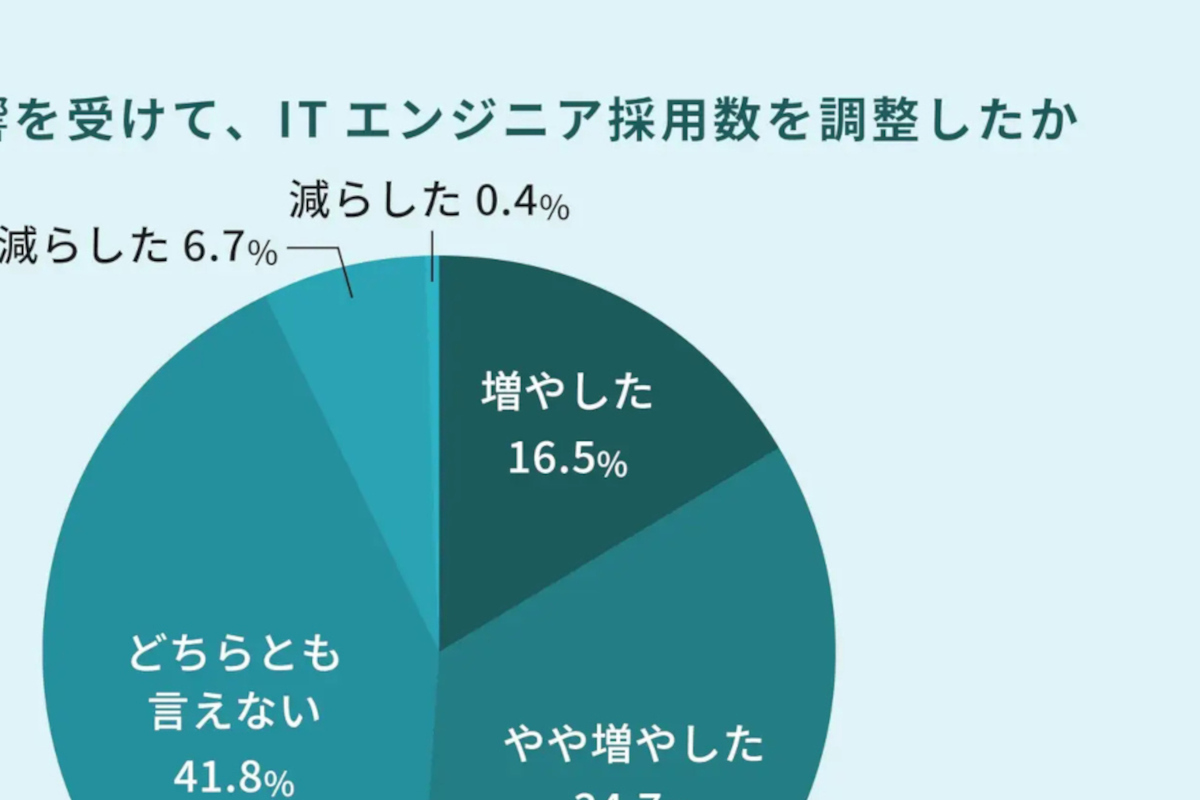
A Dell Technologies survey of 2,950 business and IT decision-makers in 35 countries found 58% of Japanese comp…
CData's guide walks through creating a SELECT-only Snowflake role called claude_role, setting up an OAuth secu…
Oracle announced on Oct 28, 2026 an expanded partnership with OpenAI and a new product lineup spanning four ar…

Mercari's fiscal 2026 June-period earnings material shows all employees were using AI tools by the end of Janu…

Flamerix AI analyzed OpenTelemetry exports and found Claude Code's agent summary feature consumes roughly 15-2…

JPMorgan Chase, Charles Schwab, Amazon, Neiman Marcus and Kohl's have moved to block personal AI agents like M…