What happened
Bolt intends to start collecting real-world driving data in Madrid in 2027, pending regulatory approval, as it prepares a European robotaxi rollout involving at least 25,000 level 4-capable future Lucid vehicles, with Germany a priority market.
Why it matters
The Madrid data-gathering marks a step from planning toward real-world testing for Bolt's proposed robotaxi service, which could make it one of the region's larger autonomous mobility efforts if the rollout proceeds.
WHO IT HITSEuropean regulators and city transport authorities will face decisions on approving and supervising public-road robotaxi operations, while fleet operators and vehicle developers gain a common safety-validation framework from Nvidia's Halos SAFE.
Summaries like this, every morning.
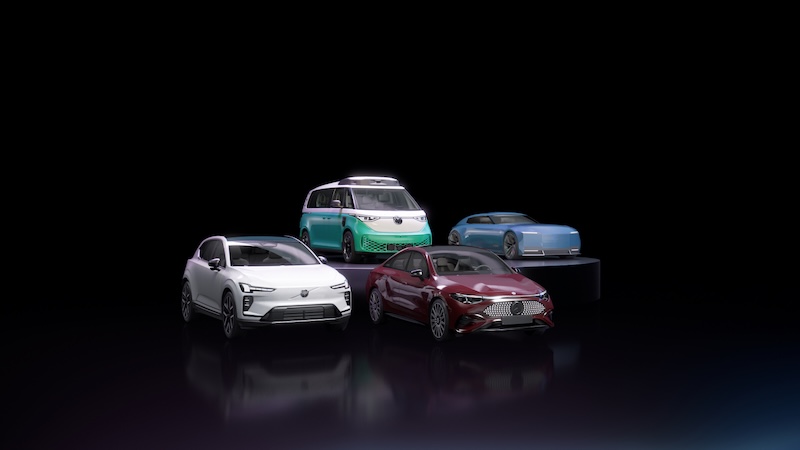
The Bolt program is one of several European autonomous vehicle efforts showcased at Nvidia's GTC Berlin event, where companies including Lucid, Mercedes-Benz, Volkswagen Commercial Vehicles, Volvo Cars and Einride outlined plans involving higher levels of vehicle automation. Mercedes-Benz is pursuing both level 3 and level 4 technology, and says its MB.DRIVE ASSIST PRO system, developed with Nvidia, is expected to receive approval for urban point-to-point driver assistance in Germany. Volkswagen Commercial Vehicles is developing an autonomous version of its ID. Buzz electric van, while Volvo Cars is adopting Nvidia's Hyperion and Alpamayo technologies for future automated-driving systems. Beyond passenger vehicles, Swedish autonomous trucking company Einride is developing its next-generation autonomous driving system using the same computing architecture, and Tier IV and the Technical University of Munich plan to use it in work on autonomous public transport in Germany. These projects reflect a variety of approaches: some manufacturers are concentrating on increasingly capable driver-assistance systems, while others are working towards level 4 vehicles designed to operate without continuous human supervision within defined conditions. As a result, safety validation is becoming an increasingly important part of autonomous vehicle development, which is the gap Nvidia's Halos SAFE framework aims to address. Nvidia founder and CEO Jensen Huang said: "Robotaxis are the first mass-market application of robotics and physical AI, reinventing how people and goods move." Whether robotaxis become a mass-market application as quickly as their developers expect remains uncertain, but the expanding number of European projects suggests the region is becoming an increasingly significant testing ground for autonomous mobility, particularly as companies begin moving from development programs towards regulated operation on public roads.
Pick your industry and the AI tools you use, and get news related to your work every day.
Free · 30 seconds with Google · unsubscribe anytimeWhat is AIToday? →
Ask AI anything about this article. The AI reads this article, earlier AIToday articles, and Wikipedia, and cites its sources. Q&As are published on this page for other readers too.
Tesla rose 7.4% this week, according to MarketSurge, standing out as other Magnificent Seven AI stocks sold of…
Anthropic's public filing showed little on forthcoming revenues after sales decelerated from the second to the…

The Financial Times reported Spotify aims to launch a paid AI remix and cover service in Q1 2027, possibly aro…

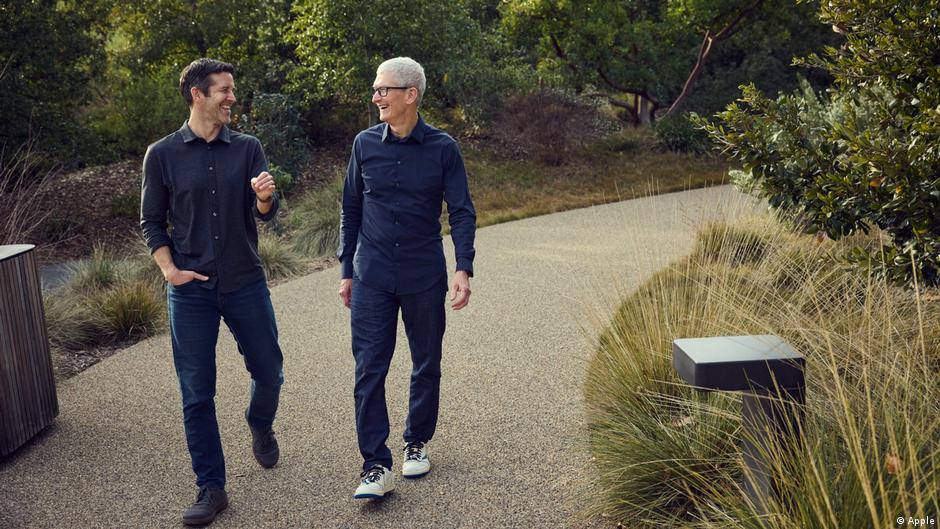
John Ternus becomes Apple's third CEO since 1997 on September 1, following Tim Cook's 15 years at the helm; he…
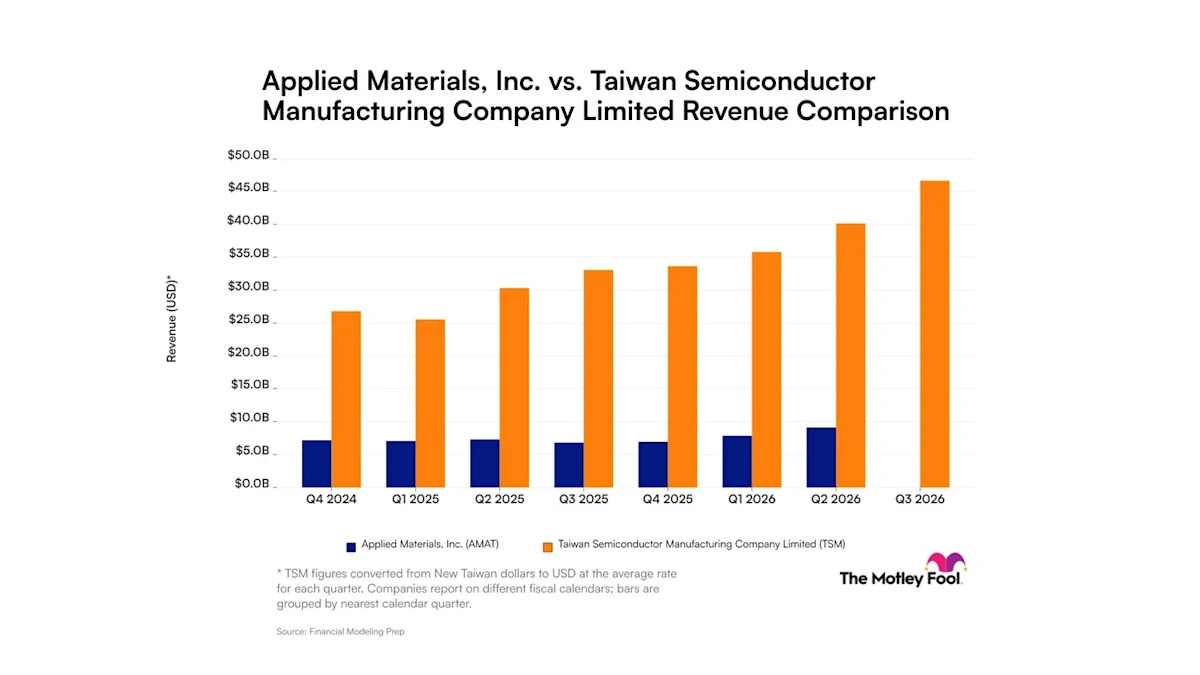
Applied Materials (NASDAQ:AMAT) shows a gradual revenue uptrend, while Taiwan Semiconductor Manufacturing (NYS…
Jeetu Patel handed Padmanabhan Krishnamurthy—who joined via Cisco's EzDubs acquisition—unlimited tokens and fo…