What happened
In the author's fixed-task tests, LFM2.5-24B-A2B at roughly 2.68-bit quantization averaged 16.1s on four single-shot tasks, versus 33.4s for Bonsai 2 27B and 85s for Qwen3.8-27B, and passed the FizzBuzz check while both 27B models logged 4 errors.
Why it matters
The result suggests LFM2.5 keeps pace with larger 27B-class models on these specific tasks, but the smaller effective parameter count is a possible explanation the author did not verify.
Summaries like this, every morning.
The test is part of a running series that measures locally runnable models under a fixed set of prompts, with the same Mac mini, the same llama-server engine, and the same 32768-token context. LFM2.5-24B-A2B is a mixture-of-experts model from Liquid AI with 24B total parameters but only about 2.45B active per token, per the official model card, and the author chose a roughly 2.68-bit quantization to fit it onto 16GB of memory.
A key complication is that LFM2.5 always thinks before answering and cannot be told to stop; a client request to disable thinking had no effect. That made the first monocoder run produce no usable answer within the response cap, which the author treated as a harness problem rather than a model failure, adding a guard to exclude empty capped responses and rerunning LFM2.5 alone with a 16384-token cap. The author also notes that quantization effects could not be separated, since no higher-bit version of the same model was tested as a control, and that official speed or performance figures were not checked in this environment.
Pick your industry and the AI tools you use, and get news related to your work every day.
Free · 30 seconds with Google · unsubscribe anytimeWhat is AIToday? →
Ask AI anything about this article. The AI reads this article, earlier AIToday articles, and Wikipedia, and cites its sources. Q&As are published on this page for other readers too.
Alignable's Eric Groves writes that Meta brought its Muse agent to small businesses in September, while Anthro…
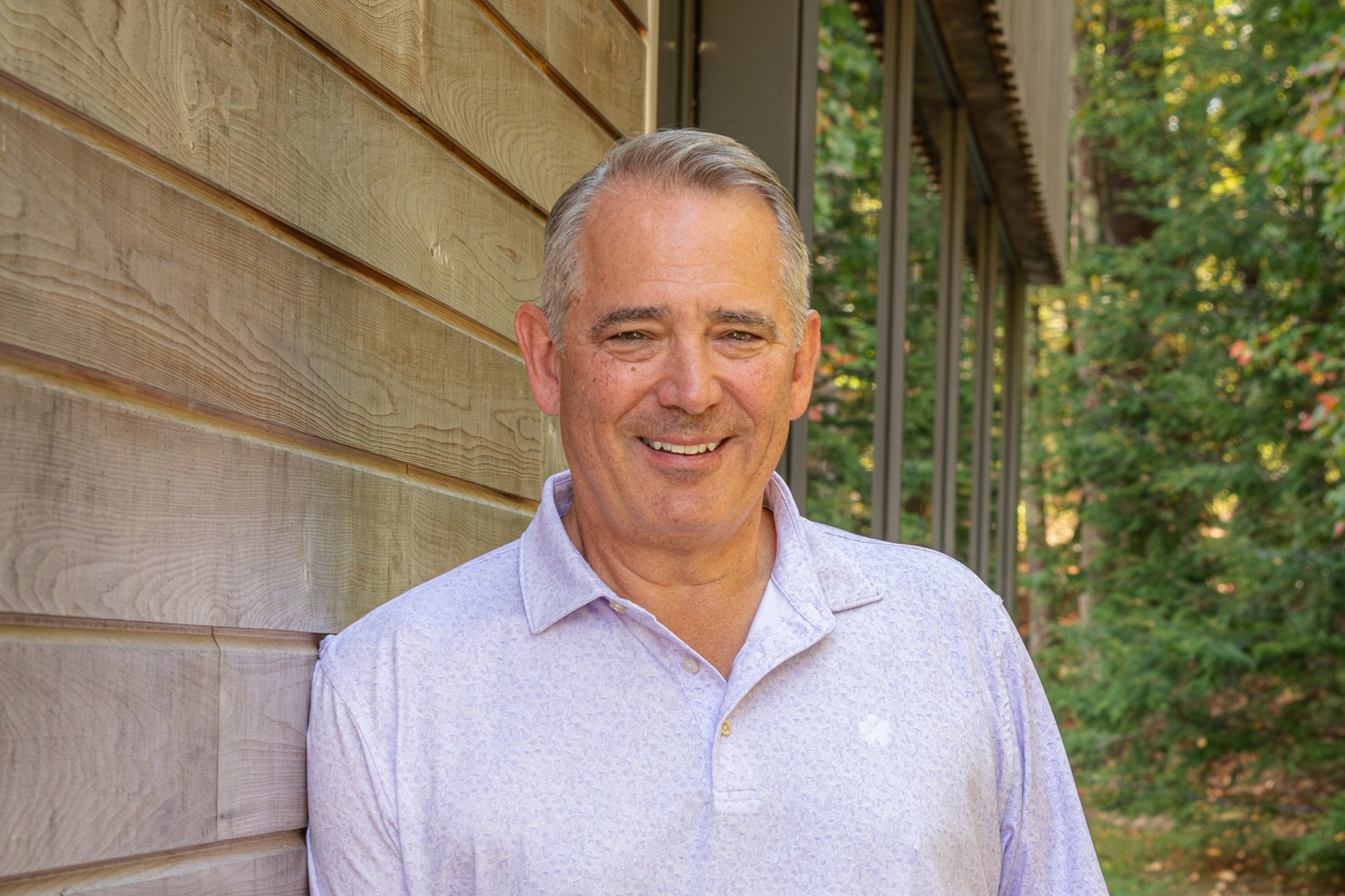
In Verge testing, NYT Cooking's AI assistant rewrote a One-Pot Chicken and Rice With Ginger recipe around the…
At Fal.Con in Europe on Nov

Nous Research fine-tuned Alibaba's Qwen3.8-27B on 53 million tokens to create Arete-27B, which reduced its pro…

In the "Into the Unknown" benchmark, nine AI agents produced 135 submissions on 15 open research tasks from te…

Owen Queen and James Zou re-tested 50 cited LLM claims across 20 models, finding 44% expired, 34% weakened, 16…