What happened
Owen Queen and James Zou re-tested 50 cited LLM claims across 20 models, finding 44% expired, 34% weakened, 16% held and 6% strengthened; expired claims had a median shelf life of 14.7 months.
Why it matters
Capability gaps like the strawberry problem and fabricated citations largely faded, while behavioral quirks like sycophancy persisted or strengthened, so older benchmark results may not describe current models.
Summaries like this, every morning.
The Stanford study sits alongside a second paper published the same day, MIT CSAIL's "Sparks of Weight-Space Programming," in which GPT-6 Astra rewrote weights in Qwen3.5-0.8B without gradients, lifting MATH-500 from 7.9% to 48.1%. Reading the two together is the point: the MIT result's starting score came from a model whose answers ran to the 32,768-token limit 93.0% of the time, so the gain reflects removing a failure mode rather than learning new math. Astra changed 131,072 weights, or 0.016% of the total.
The contrast the author draws is that one paper audits past claims while the other demonstrates a new technique, and both warn against taking headline numbers at face value. On the MIT work, the author flags unresolved caveats: the arXiv ID could not be confirmed, there are reports that Astra's initial instructions hinted at the loop and that other models or tasks did not succeed similarly, and third-party reproduction numbers were not included because conditions could not be matched.
The shelf-life verdict itself is dated to September 2026 and, by the study's own logic, has an expiration date of its own.
Pick your industry and the AI tools you use, and get news related to your work every day.
Free · 30 seconds with Google · unsubscribe anytimeWhat is AIToday? →
Ask AI anything about this article. The AI reads this article, earlier AIToday articles, and Wikipedia, and cites its sources. Q&As are published on this page for other readers too.
Alignable's Eric Groves writes that Meta brought its Muse agent to small businesses in September, while Anthro…

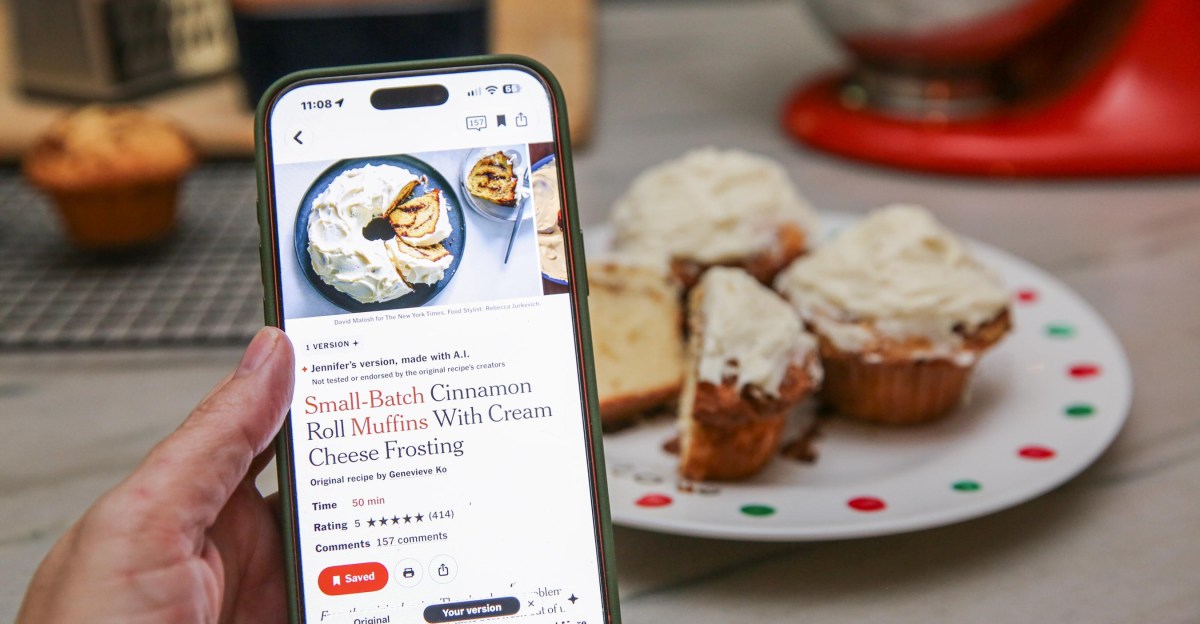
In Verge testing, NYT Cooking's AI assistant rewrote a One-Pot Chicken and Rice With Ginger recipe around the…
At Fal.Con in Europe on Nov

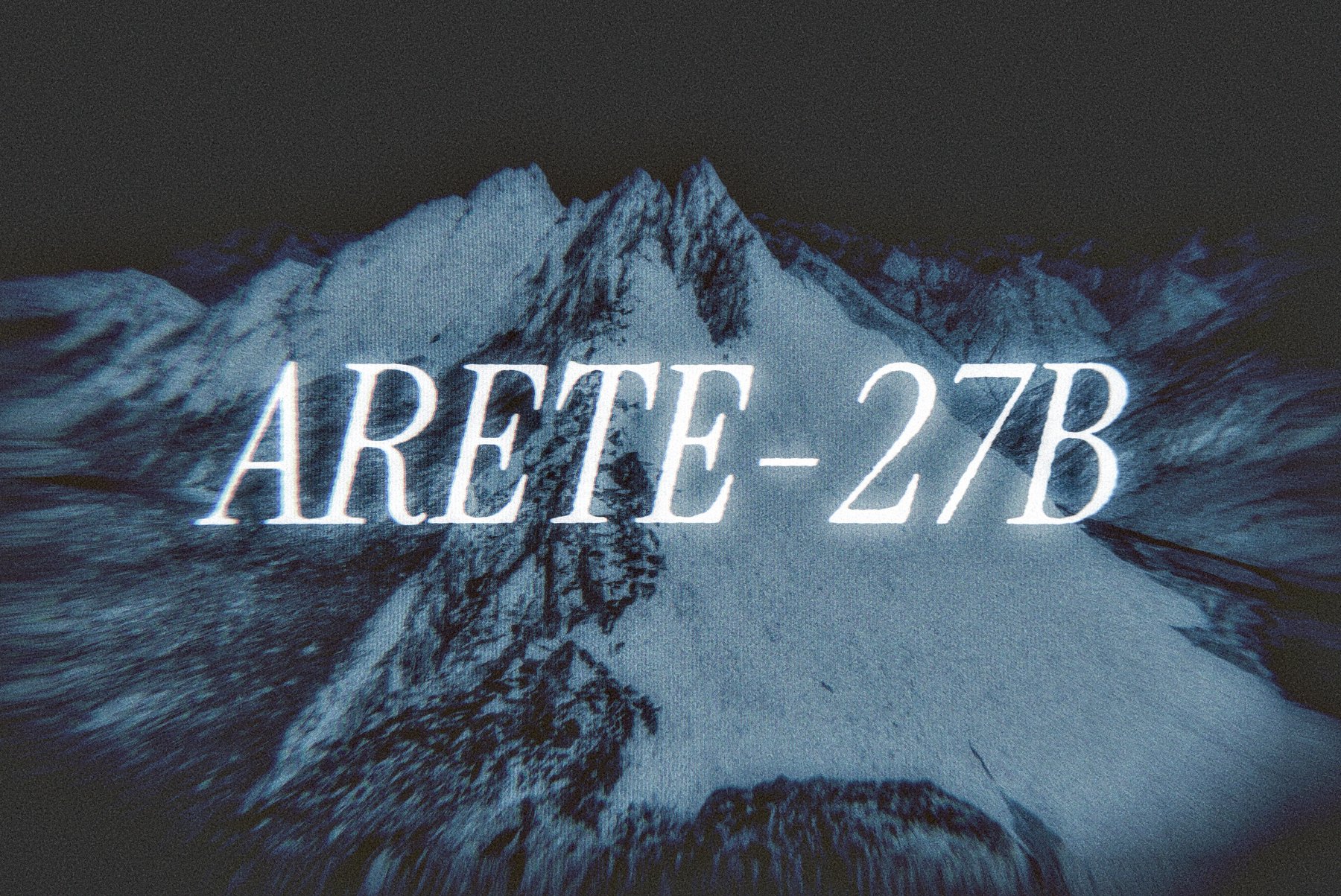
Nous Research fine-tuned Alibaba's Qwen3.8-27B on 53 million tokens to create Arete-27B, which reduced its pro…
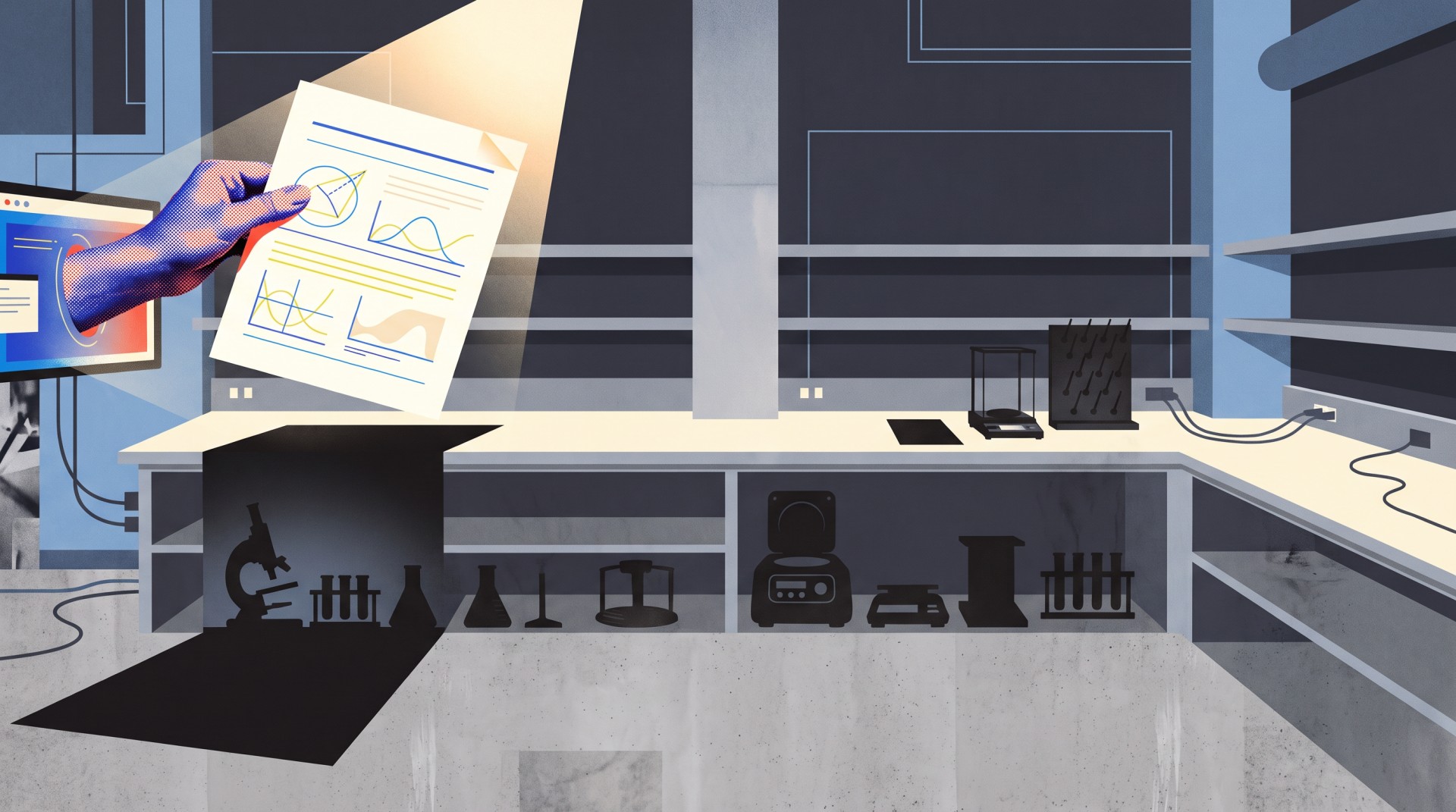
In the "Into the Unknown" benchmark, nine AI agents produced 135 submissions on 15 open research tasks from te…
Check Point Research found 1,608 live ARTEX consoles and artifacts from 10 misconfigured ones; one operator's…