What happened
AWS launched Smart Approvals in Amazon Quick, which reviews each proposed agent action against the user's request and either approves it automatically or returns it for review, without granting extra permissions.
Why it matters
Security leaders can cut repetitive approval prompts while keeping high-impact actions — like sending data outside the organization or initiating payments — with a person, though the classifier can still make mistakes.
WHO IT HITSSecurity and IT administrators overseeing AI agent deployments in Amazon Quick gain a way to reduce approval fatigue while retaining control, and investigators auditing agent activity will rely on CloudTrail and CloudWatch Logs records to reconstruct what happened.
Summaries like this, every morning.
The feature sits on top of controls Amazon Quick already provides: Custom Permissions, Quick Guardrails, connector action permissions, and user settings. An action becomes eligible for automated review only when the user's setting is "Ask each time" and no other control requires human approval. Denied actions stay denied, and mandatory human approvals still apply, so Smart Approvals is framed as reducing interruptions rather than loosening the permission boundary.
The review itself is handled by a separate classifier model that weighs what an action does, where data goes, and who it affects. It can consult the user's knowledge graph — people and working relationships drawn from connected sources — to judge whether a recipient sits in the user's reporting chain, and that lookup stays inside the Quick account. AWS says the content the classifier reviews is not used to train models or improve the service. Reviewing actions against the user's request also adds a check against indirect prompt injection, where instructions embedded in retrieved content try to redirect the agent; Quick tells both the agent and the classifier to treat such content as information, not instructions. AWS nonetheless cautions that model review can make mistakes, so actions that must always get human approval should be enforced through connector action permissions.
Enforcement is kept separate from judgment: each automatic approval is single-use, applies only to the exact action and parameters reviewed, and grants no ongoing permission. The permission service records associated events in AWS CloudTrail and permission-check verdicts, and chat and agent metadata logs delivered through Amazon CloudWatch Logs let investigators correlate activity by user and time. AWS notes that an approval marker does not prove the action ran — records from the destination system, such as a sent email, are needed to confirm completion.
Pick your industry and the AI tools you use, and get news related to your work every day.
Free · 30 seconds with Google · unsubscribe anytimeWhat is AIToday? →
Ask AI anything about this article. The AI reads this article, earlier AIToday articles, and Wikipedia, and cites its sources. Q&As are published on this page for other readers too.
CloudOpsBench, a new open-source benchmark of 45 AWS DevOps tasks built by experienced engineers, found Claude…

AI Shift and Assist will co-host a free online webinar on Claude on November 18, 2026, from 12:00 to 13:00, co…

United, Inc. (TSE code 2497) invested in Rice Capital Fund II, LP, a Delaware fund established June 2026 and l…

Tencent Holdings Ltd. introduced Hy4, a large language model with computer-use capability, 1 million-token con…
After closing about 28% below its Oct

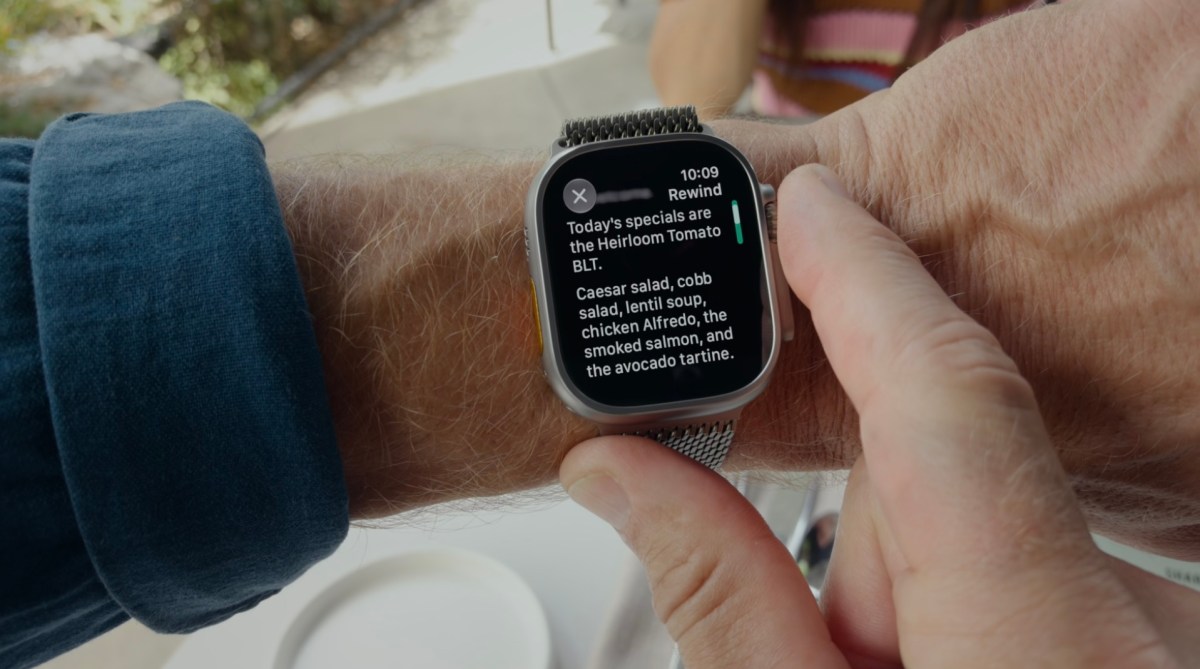
Apple rolled out Siri Recaps and Live Rewind — which record and summarize conversations around the Apple Watch…