What happened
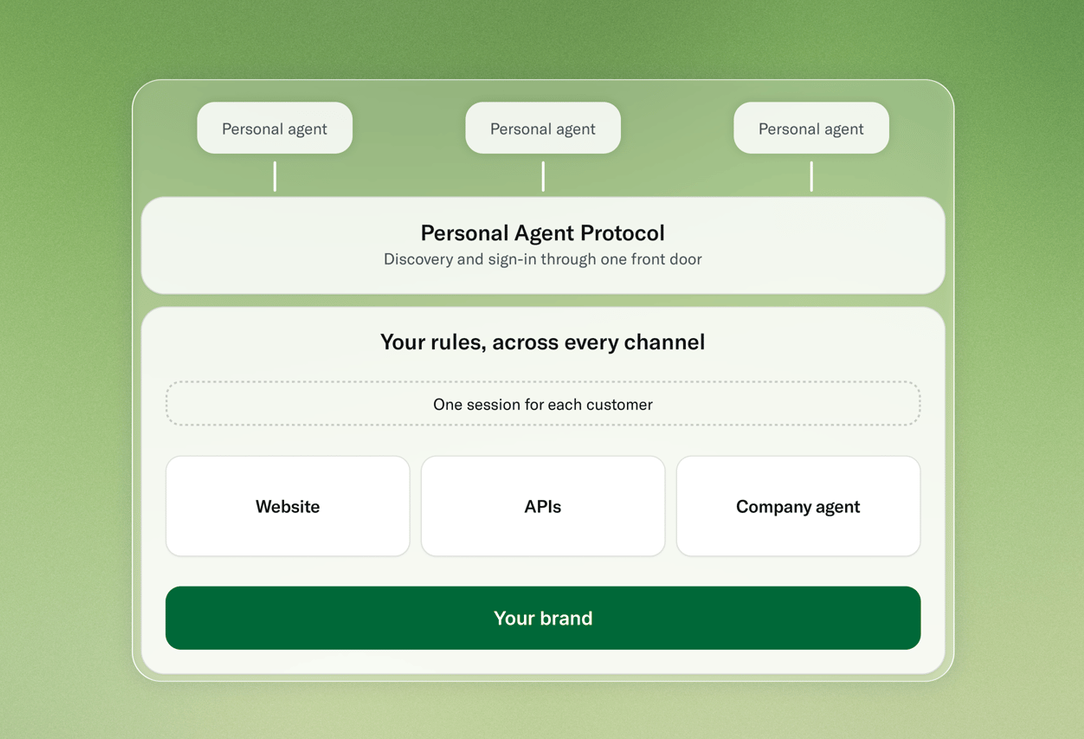
Amazon began blocking Meta's Muse AI agent from browsing or buying on its retail site, and users reported similar agent blocks at Walmart and airlines. Partners including Meta, Walmart, Stripe and Sierra are now building an open standard.
Why it matters
Blocks leave shoppers unsure whether a site rejected them on purpose, so they end up frustrated with both the retailer and the agent. A shared standard would separate good shopping bots from bad ones.
What to watch
Walmart says its blocks were not intentional, and Yelp still charges agents for access, so the standard's reach hinges on how many brands join. Watch Meta's Muse connector list, which it says may soon be reorganized.
WHO IT HITSConsumers using personal shopping and booking agents are the ones hitting these walls today, and the brands and airlines named in the complaints have to decide whether to partner with agents or keep blocking them. Meta and its announced partners are pushing the standard.
Summaries like this, in your inbox every morning.
The friction has been building as consumer agents moved from answering questions to actually transacting. Amazon's block of Muse was deliberate, but Walmart's case shows how easily the two causes blur: Walmart is partnered with Muse, announced at Meta's Connect developer conference in September, and calls the failures unintentional, yet its human-verification step can still eject the agent. The same ambiguity runs through the travel complaints. Delta says it has no integration letting a third-party agent book flights and frames any opening around security and customer experience, while United points to terms barring automatic devices without written permission.
Infrastructure sits underneath much of this. Cloudflare offers sites protection from AI agents, and some suspect it and similar content delivery networks are disrupting Muse traffic, tied to a September 15 change to crawler defaults that lets site owners block AI training while allowing other bots. Cloudflare said it had no specific data to share and pointed to its public data hub, which shows rising bot activity but does not separate good bots from bad. Cloudflare also runs a marketplace where AI bots pay for data access and recently began testing a browser built for AI agents.
The stakes now rest on whether norms reach enough sites to matter. Meta's answer has been specific partnerships, which it says make any access problem a reportable bug, plus a growing in-app connector list. But Yelp still requires agents to pay for content access through its data licensing program, and eBay says it restricts only unauthorized agents such as scrapers. Whether brands sign on or keep their own rules appears to decide how often a shopper's agent simply fails.
Pick your industry and the AI tools you use, and get news related to your work every day.
Free · 30 seconds with Google · unsubscribe anytimeWhat is AIToday? →
Ask AI anything about this article. The AI reads this article, earlier AIToday articles, and Wikipedia, and cites its sources. Q&As are published on this page for other readers too.
Caterpillar and CoreWeave shortened the data-labeling and feedback loop for training autonomous construction m…

Meta, Walmart, Stripe and Sierra Technologies are creating the Personal Agent Protocol, introduced by Sierra c…
Mistral AI opened a public preview of Mistral Large 4, its 1.05 trillion-parameter MoE model nicknamed "Le Cho…

Reflection AI started early access to Beam, its first open-weights model, with 501 billion total and 23 billio…

Google began rolling out "Simple Guide" in Gemini Live on Android, letting users share camera or screen views…

Anthropic launched Claude for Google Workspace as a public beta for paid Claude plans, adding Claude to Google…