What happened
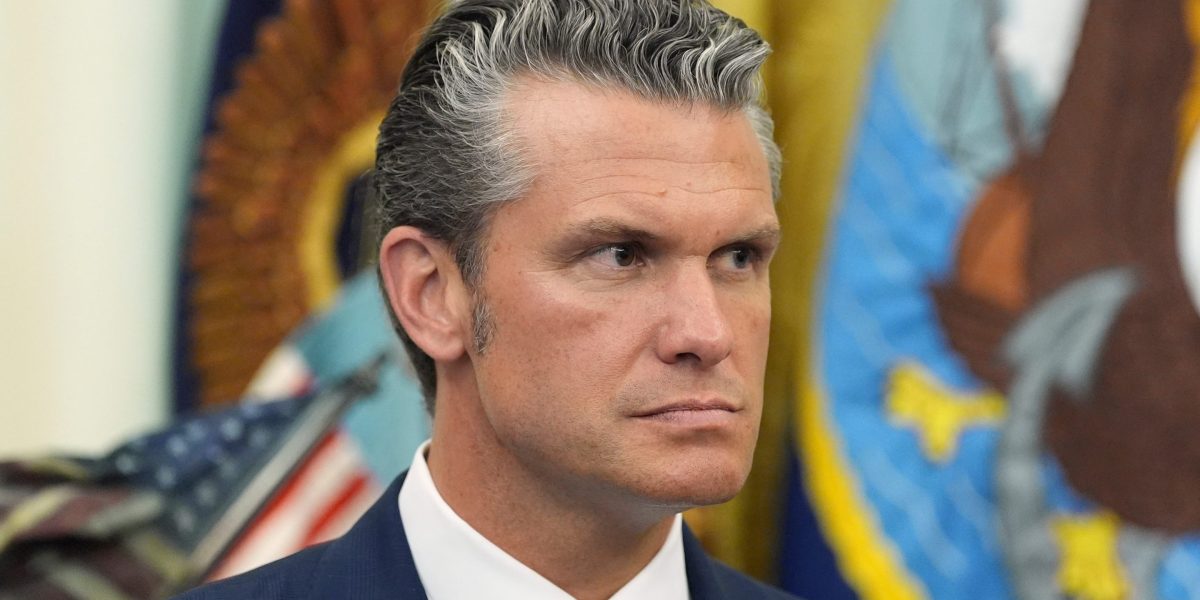
A federal judge ruled the Pentagon acted illegally by punishing AI company Anthropic for its criticism of the Department of Defense's views on AI use. The ruling came in a 59-page order by U.S. District Judge Rita Lin.
Why it matters
The dispute began in February when President Trump and Defense Secretary Pete Hegseth designated Anthropic a supply chain risk after CEO Dario Amodei voiced concerns about mass surveillance and autonomous armed drones. Judge Lin wrote the government's actions were based on a desire to make a public example out of Anthropic for its 'arrogance,' not on any basis to believe it would sabotage its model.
What to watch
The government is expected to fight the ruling. Anthropic has also filed a separate case in the federal appeals court in Washington, D.C., involving a different rule the Pentagon is using to declare it a supply chain risk.
Summaries like this, in your inbox every morning.
The ruling marks a significant legal setback for the Pentagon in its unusual public dispute with Anthropic over AI use in warfare and mass surveillance. The conflict intensified when Anthropic refused to allow unrestricted military use of its technology, leading to the supply chain risk designation in February. The judge's order highlights First Amendment concerns, particularly after she noted in a July 30 hearing that the government's position seemed at odds with the First Amendment.
Anthropic's legal victory comes as both it and OpenAI, its primary tech industry rival, are ramping up for initial public offerings. OpenAI made its own deal to work with the Pentagon just hours after the government punished Anthropic, illustrating the competitive dynamics in the AI industry. The separate case in the D.C. appeals court involves a different rule, suggesting the legal fight may continue regardless of this ruling. The government is expected to appeal, so the outcome may be subject to further review.
Pick your industry and the AI tools you use, and get news related to your work every day.
Free · 30 seconds with Google · unsubscribe anytimeWhat is AIToday? →
Ask AI anything about this article. The AI reads this article, earlier AIToday articles, and Wikipedia, and cites its sources. Q&As are published on this page for other readers too.
Chunghwa Telecom president Rong-shy Lin said the shift from conversational AI to autonomous AI agents is resha…
CoreWeave fell 5% in premarket trading Friday and was on track to finish the week down 15%, after rebounding f…
Apple and Meta said they would jointly release a new open-weight AI model designed to run on high-end Macs, ai…

Investors put $38.5 billion into Asian startups in Q3, per Crunchbase data

A longtime Anthropic investor told Fortune he expects shares priced around $1.8 trillion, below the company's…
In Q2, billionaires or their funds sold six 'Magnificent Seven' AI stocks


