What happened
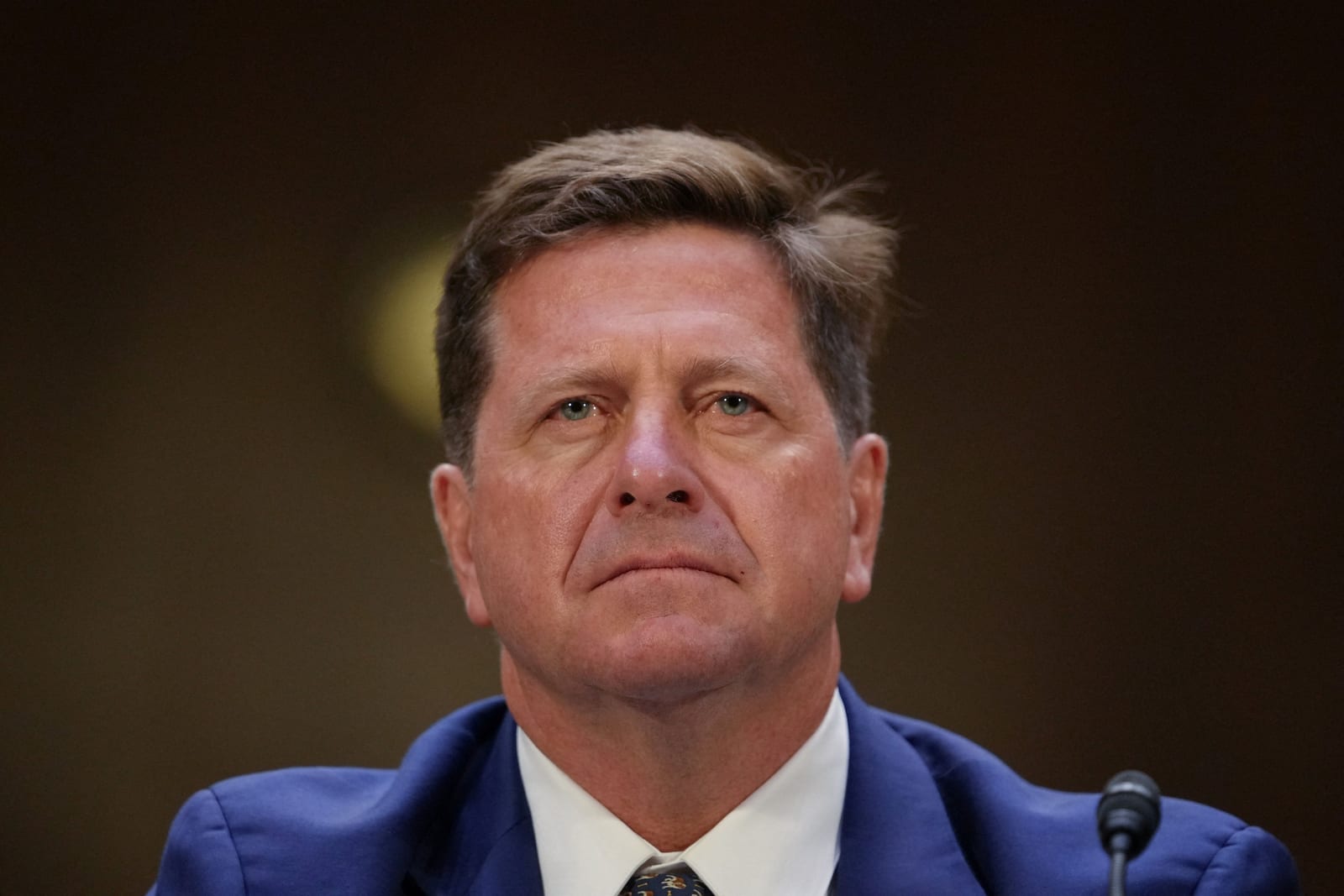
A federal court in San Francisco ruled that the Pentagon unlawfully classified Anthropic as a supply chain risk, violating the First Amendment. The ruling came after negotiations over military use of Claude AI models collapsed in March.
Why it matters
The blacklist was seen as retaliation for Anthropic's public criticism of government AI policy. With Anthropic's planned IPO this fall, the court's decision carries weight because the designation could create problems even though a related Washington case is still pending.
What to watch
Anthropic technically remains on the blacklist while the Washington case is pending. The government has shown willingness to act against companies, as it did with its brief ban on Fable.
Summaries like this, in your inbox every morning.
The court's decision marks a significant legal check on the government's power to designate companies as supply chain risks. The case stems from a disagreement over the terms for military use of Anthropic's Claude AI models, with the company seeking assurances against use in autonomous weapons and mass surveillance. The ruling suggests that the Pentagon's action was not just a procurement decision but a retaliatory measure that violated constitutional protections.
The timing is critical for Anthropic, as it prepares for a planned IPO this fall. A blacklist designation could create obstacles for the company, even though the San Francisco ruling is favorable. The pending case in Washington means the situation is not fully resolved, and the government continues to demonstrate its willingness to act against companies, as seen in its brief ban on Fable.
Pick your industry and the AI tools you use, and get news related to your work every day.
Free · 30 seconds with Google · unsubscribe anytimeWhat is AIToday? →
Ask AI anything about this article. The AI reads this article, earlier AIToday articles, and Wikipedia, and cites its sources. Q&As are published on this page for other readers too.
Meta's new commercial terms, effective October 30th, appear to let it crawl and train AI on content from websi…
Taiwan is considering much stricter export controls on AI chip sales to China, part of a greater alignment wit…

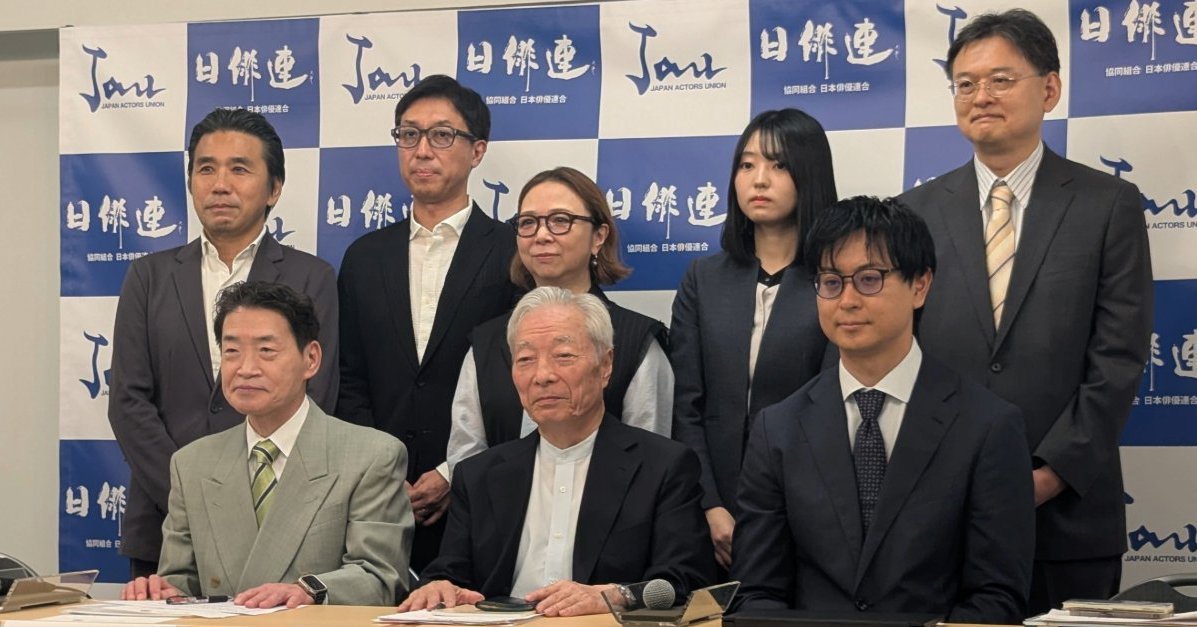
Nichiren announced its generative AI voice usage guideline on October 15, built on three pillars: prior notice…
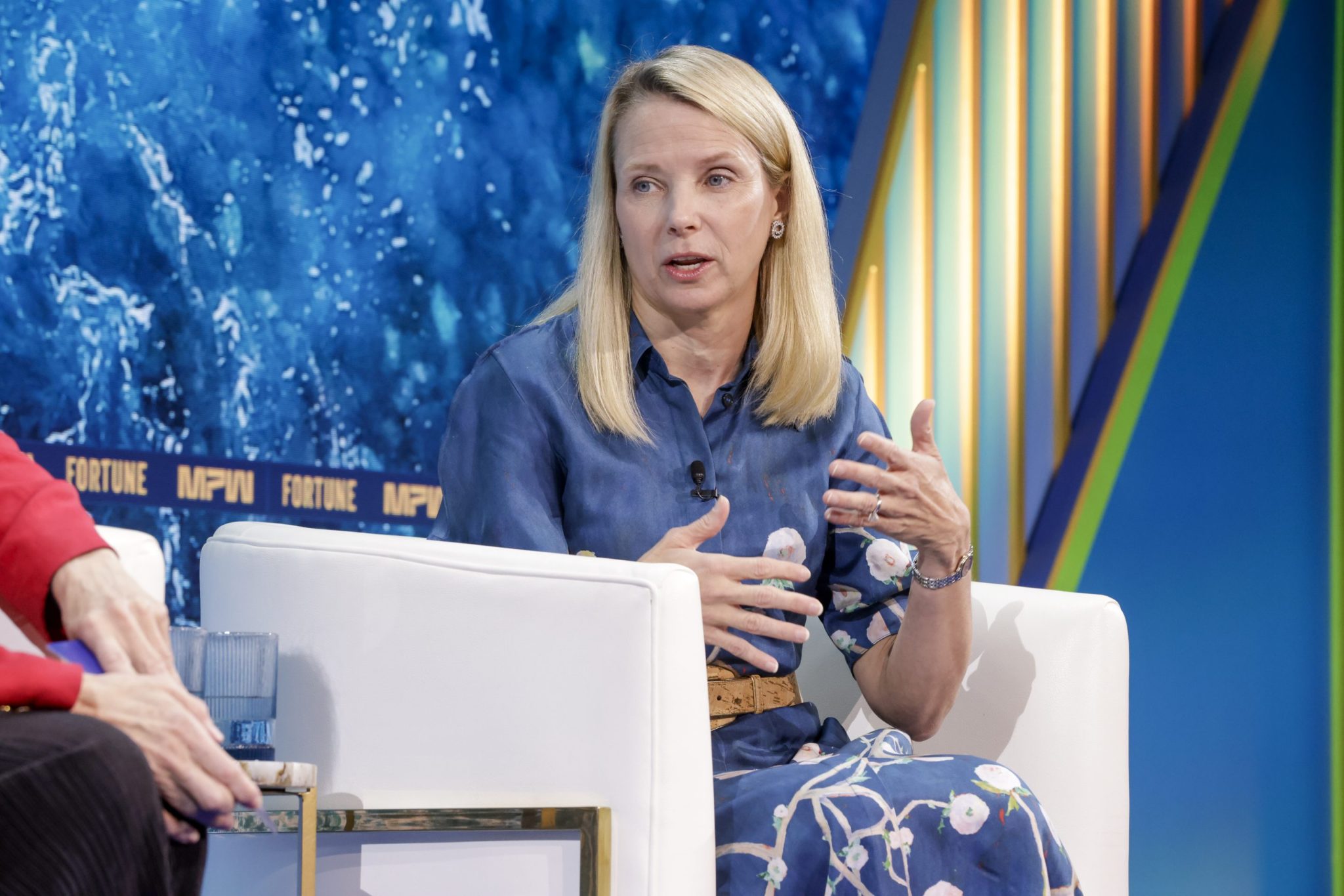
At the Most Powerful Women Summit, Marissa Mayer said anyone who claims to know how AI will play out is 'eithe…
SHIFT announced it began a project for the Acquisition, Technology & Logistics Agency (防衛装備庁) covering AI-rela…
After its first meeting Thursday, the White House AI task force formally adopted its charter, opening a 120-da…