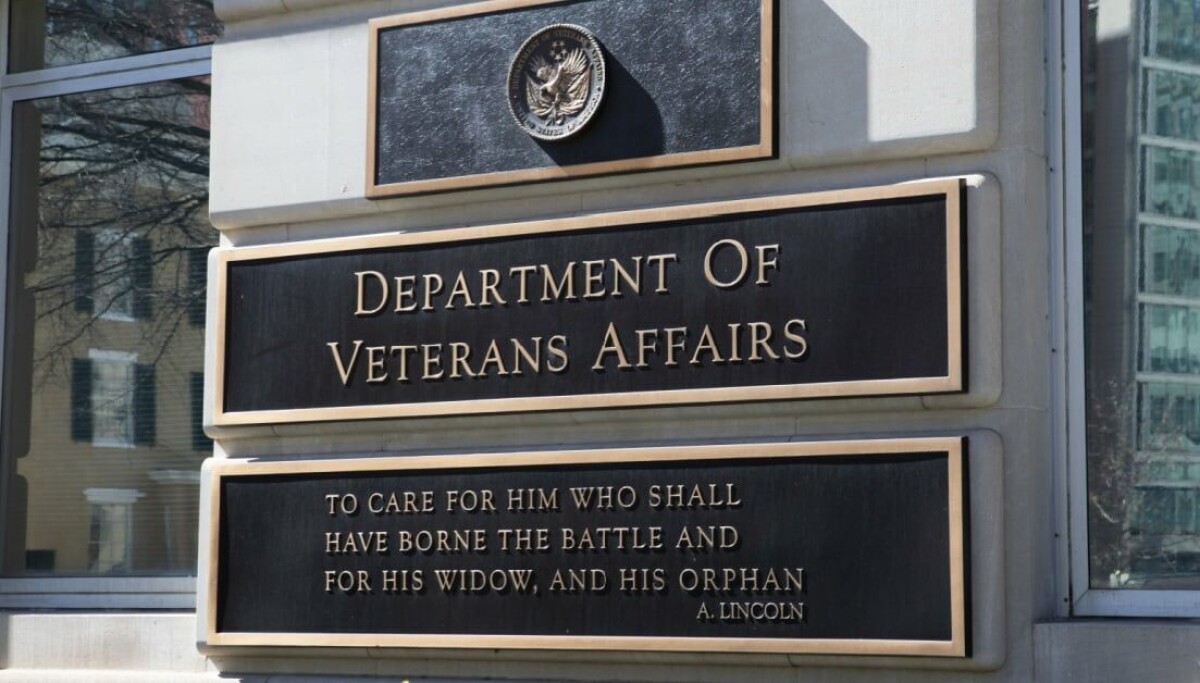
The US Department of Veterans Affairs has signed a $1.6 billion(約2600億円), three-year contract with Salesforce to embed AI agents across the government service, aiming to reduce administrative workload and help employees serve veterans more efficiently. The deal uses Salesforce's Agentic Enterprise License Agreement, which offers flat, seat-based pricing, and will support projects including an AI-powered virtual contact center and a Slack-based operating system already deployed in some VA hospitals.
Summaries like this, in your inbox every morning.
Sign up free →What happened
The US Department of Veterans Affairs signed a three-year, $1.6 billion(約2600億円) agreement with Salesforce to deploy agentic AI (software agents that can act autonomously) across the department, including a virtual contact center that handles live calls and a Slack-based operating system already in use at some VA hospitals.
Why it matters
VA employees currently spend time navigating disconnected systems instead of serving veterans; Salesforce's deal is meant to reduce that administrative burden by connecting data and workflows, letting staff access information faster and spend more time delivering care and benefits.
What to watch
The contract uses Salesforce's Agentic Enterprise License Agreement (AELA), a flat, seat-based pricing model announced in October last year that sparked concerns from analyst firm Gartner about potential cost overruns if usage is uncapped—though Salesforce has said renewals will remain flexible.
The US Department of Veterans Affairs has awarded Salesforce a $1.6 billion(約2600億円), three-year contract to deploy agentic AI and advanced collaboration tools across the department, with the goal of reducing administrative workload and freeing VA employees to spend more time serving veterans. The agreement is structured as an Agentic Enterprise License Agreement (AELA)—a flat, seat-based pricing model that Salesforce introduced in October last year and claims is popular with customers. "Every minute a VA employee spends navigating disconnected systems is a minute not spent serving a Veteran," said Kendall Collins, CEO of Salesforce's defense and government unit, outlining the contract's central rationale.
The contract will support two major initiatives. The first is an around-the-clock virtual contact center that deploys AI agents directly into existing VA workflows to retrieve information during live calls, triage cases, and automate benefits verification. The second is an agentic operating system based on Slack that is already in use at some VA hospitals. Both projects aim to connect the VA's people, data, and workflows across the department, giving employees faster access to information and reducing manual administrative tasks.
The deal arrives as the software industry actively commercializes AI agents, sparking questions about pricing models. Gartner cautioned earlier this year that such agentic agreements may be converted into defined-quantity contracts toward their end, when unchecked usage could become costly. Salesforce has pushed back, stating that renewals would remain flexible and that it would not move away from capped plans. Meanwhile, Oracle—which is deploying an electronic health record system at the VA under a $9.99 billion(約1.6兆円) agreement signed in 2018 (a rollout that was suspended in April 2023 due to patient safety concerns and restarted in February last year)—has announced its own major government win: a $7 billion(約1.1兆円), ten-year Enterprise Software Agreement with the US Department of Defense, which the department estimates will save taxpayers at least $441 million(約710億円) over the contract's lifetime through consolidation of fragmented purchases.
Salesforce's $1.6 billion(約2600億円) Veterans Affairs contract marks a significant deployment of agentic AI in federal government, announced under the company's Agentic Enterprise License Agreement (AELA) model introduced in October last year. The timing reflects broader industry debate about how software vendors commercialize AI agents—specifically, how to price and structure contracts as AI automation becomes embedded in enterprise software. Gartner raised a cautionary note earlier this year, warning that such agreements may shift to defined-quantity contracts as they near renewal, potentially exposing agencies to unchecked usage costs, though Salesforce has pledged that renewals will remain flexible.
The VA's stated pain point—employees spending time on disconnected systems rather than serving veterans—points to a real operational friction that agentic AI is designed to address. The virtual contact center and Slack-based operating system represent concrete use cases: automating routine tasks like benefits verification and case triage, retrieving information without manual lookup, and integrating disparate workflows. This contrasts with Oracle's parallel presence at the VA, where the company is rolling out an electronic health record system under a $9.99 billion(約1.6兆円) agreement signed in 2018; that rollout was suspended in April 2023 over patient safety concerns and restarted in February last year. Oracle's separate $7 billion(約1.1兆円), ten-year defense contract announced this week (worth roughly $441 million(約710億円) in estimated savings to taxpayers through consolidation) suggests both vendors are actively pursuing government modernization contracts, though in distinct domains.
AI-summarized, only the topics you pick — one digest a day via Email, Slack, or Discord.
Free · takes 30 seconds · unsubscribe anytime
No comments yet. Be the first to share your thoughts!
Log in to join the discussion



Get curated AI news from 200+ sources delivered daily to your inbox. Free to use.
Get Started FreeFree · takes 30 seconds · unsubscribe anytime
