
What happened
Personal AI agents from OpenAI’s Dots and Meta’s Muse are visiting websites at scale; Muse was downloaded 5 million times in its first month, and agentic web traffic tripled from August to September.
Why it matters
Websites designed for people are blocking these agents, and Ethan Mollick predicts that once agents commonly request refunds or negotiate prices, they will overwhelm customer service departments to the point where real people cannot use them.
Summaries like this, in your inbox every morning.
The web has long sorted visitors into two buckets—bots and people—with rules governing what automated programs can access. Personal AI agents break that binary: they act for individual people but at machine speed, which is why platforms from reservation sites to retailers have started blocking them outright. Amazon blocked Meta's Muse agents and is waging a court battle against Perplexity, though a judge recently ruled in favor of Perplexity and Amazon has appealed.
As agent demand grows, platforms will find ways to let them in, especially since most agentic web traffic goes to e-commerce sites where money can be made. Shopify, for example, is already giving agents their own checkout lanes. The open question is what happens to the human web in the process—whether sites become neglected for people, verification becomes constant, and prices vary by agent, or whether rules still being written steer agents toward genuinely helping consumers.
Pick your industry and the AI tools you use, and get news related to your work every day.
Free · 30 seconds with Google · unsubscribe anytimeWhat is AIToday? →
Ask AI anything about this article. The AI reads this article, earlier AIToday articles, and Wikipedia, and cites its sources. Q&As are published on this page for other readers too.
Tenstorrent, a 10-year-old Nvidia challenger focused on inference, raised $1.5 billion at a $6.2 billion valua…

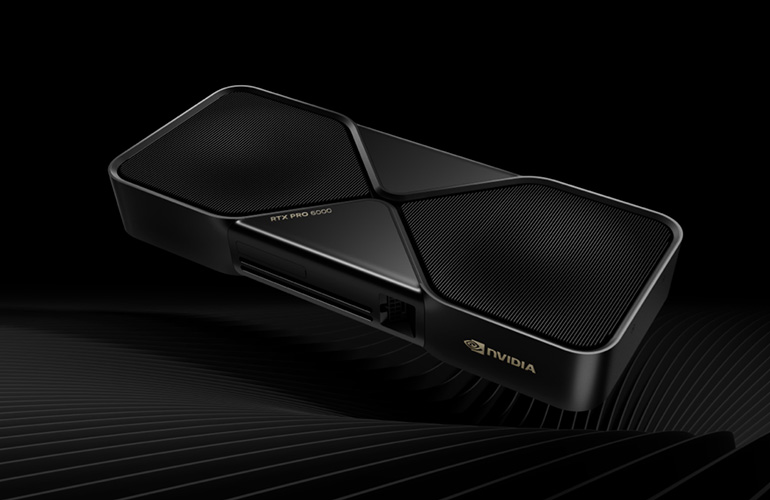
PNY is offering NVIDIA RTX PRO 6000 Blackwell Workstation Edition and Max-Q Edition GPUs, configurable with up…
MiniMax released M3.1 Flash, which scores 42 points on the Artificial Analysis Intelligence Index, 13 points a…
Anthropic's study of its own workforce found 80% of elapsed Claude session time was agents waiting on human in…

The piece lays out IBM's five-type classification by mechanism — simple reflex, model-based reflex, goal-based…

AINOW published a comparison of 17 AI agents as of October 2026, covering pricing, free-trial availability, an…