What happened
The author revisits his earlier take that a leaked open-weight Claude Mythos would not cause societal collapse, noting GLM-5.3 crossed that capability threshold with little public evidence of major change since its release.
Why it matters
If the leading open-weight cyber fears were a falsifiable prediction, this is the first stretch of real evidence to check it against — and so far the feared step change has not shown up, though the author hedges that error bars are high.
Summaries like this, every morning.
The piece is a follow-up to the author's own earlier post, written before what he calls "Black October" — a run of critical vulnerability disclosures including PHP2Shell and GitLab — and before a fresh crypto security incident at Binance. He treats that cluster as the moment AI cyber risk started to materialize, but pushes back on reading it as proof that open weights are the culprit. His yardstick is falsifiability: the loudest warnings about open-weight models amounted to a prediction of substantial, unseen AI harms to cyber infrastructure, and that prediction can now be checked against GLM-5.3's release.
His own framing has shifted in emphasis rather than direction. He concedes he should have been more specific about what "fine" means, and allows that a forced industry update to a new way of working with software will be expensive and hard. He also grants that the AI safety community discussing a new era of cyber instability had a reasonable case. What he resists is the leap from more found vulnerabilities to public infrastructure going down — a jump he says requires multiple things to align, as the Epoch AI Firefox exploit illustrates.
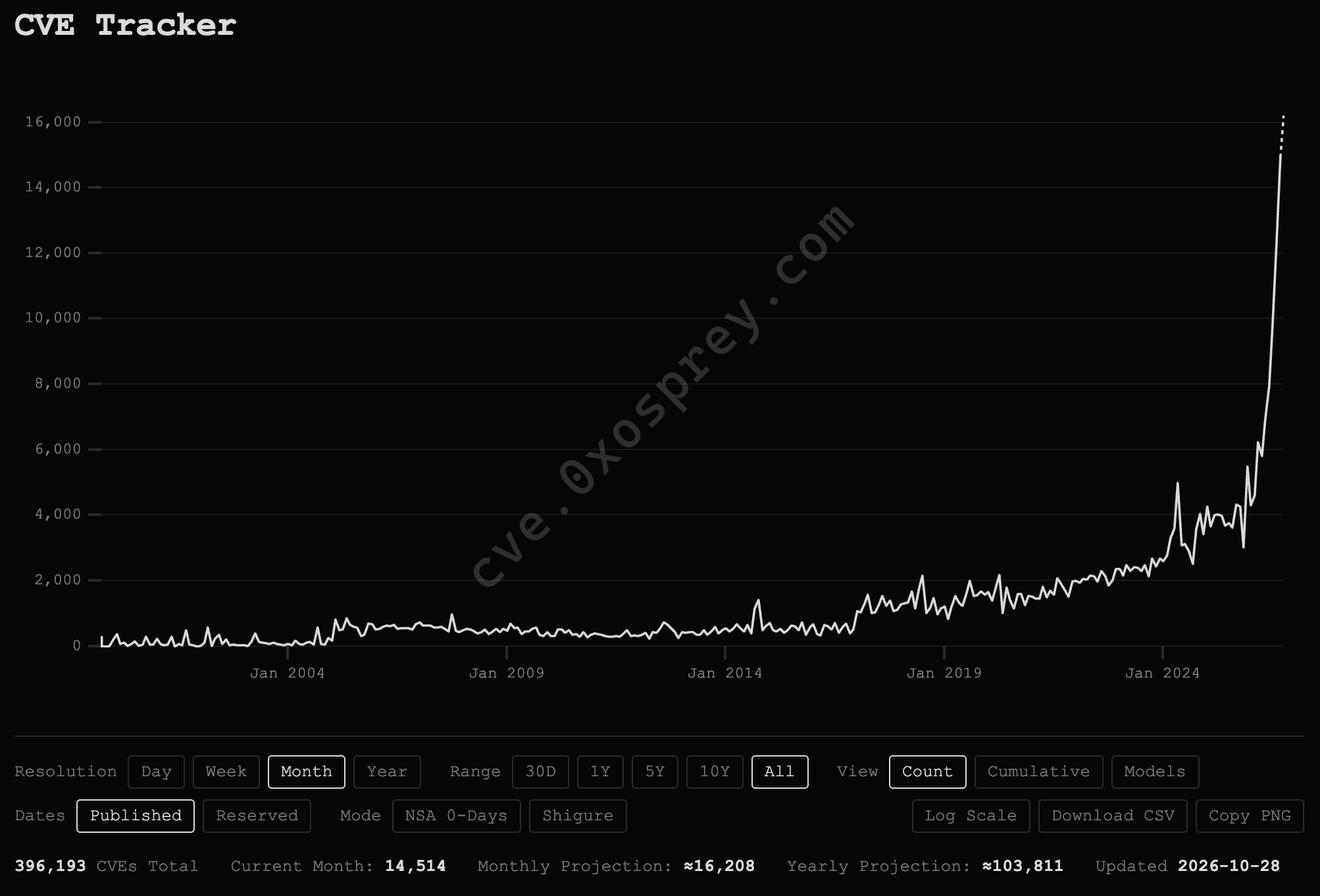
On the offense-defense balance, the author's view is that open models provide balance rather than upheaval. He expects companies to adopt open-weight models faster than attackers, since most attackers are lower resourced, and he points to threat-actor behavior — groups sticking to their established methods — as a reason the feared surge has not appeared. Near term, he notes open models remain expensive to serve and compute is sold out, so closed models are more price effective; any open-model-driven hack, he suspects, would come through a poorly secured API. He closes by locating the problem at the ecosystem level, noting cyber damages have grown since long before ChatGPT and that closed models have played a heavier part in recent hacks than open ones.
Pick your industry and the AI tools you use, and get news related to your work every day.
Free · 30 seconds with Google · unsubscribe anytimeWhat is AIToday? →
Ask AI anything about this article. The AI reads this article, earlier AIToday articles, and Wikipedia, and cites its sources. Q&As are published on this page for other readers too.

