What happened
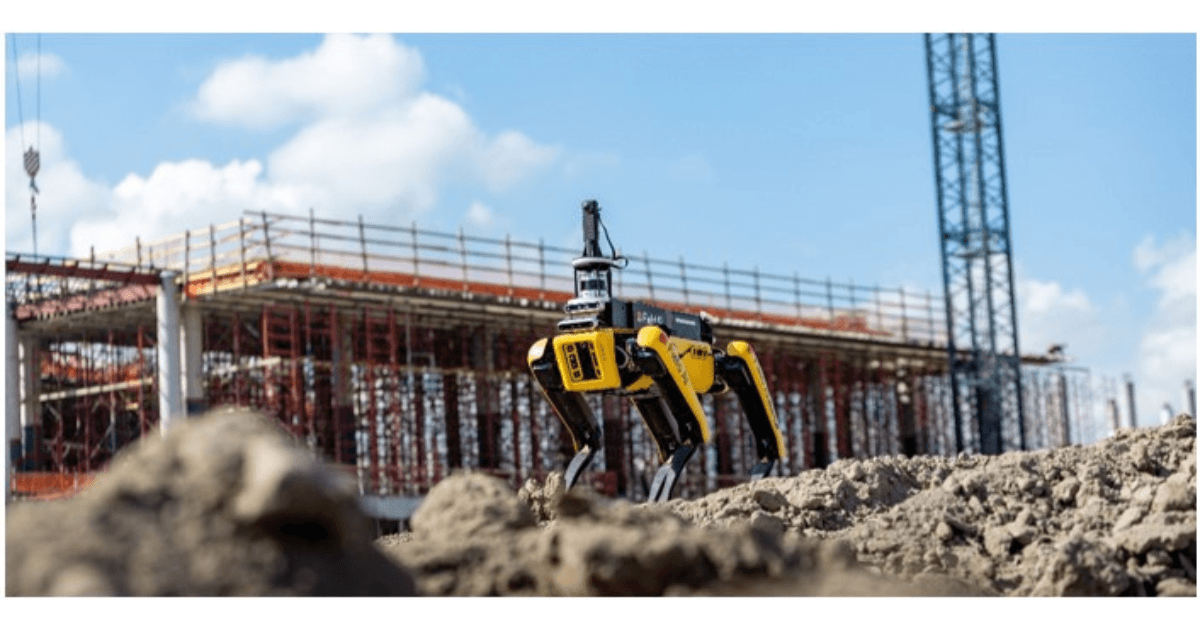
Kajima Corporation has fully introduced fully autonomous mobile robots built on FieldAI's physical AI, mounting a camera, LiDAR and edge AI unit on general-purpose robots and deploying them to more than 10 construction sites in Japan.
Why it matters
The robots handle routine patrols and photography without human intervention or external communication, which Kajima says frees technicians to focus on advanced judgment and safety management — a response to labor shortages in construction, and the result of a 2025 partnership agreement with FieldAI after over 2,000 autonomous patrols since 2023.
WHO IT HITSConstruction site managers and technicians at Kajima's domestic projects stand to benefit first, as routine patrol, photo and point-cloud data collection shifts to robots; Kajima also positions the robots for disaster recovery sites where safety is not yet confirmed.
Summaries like this, every morning.
Kajima's move builds on a collaboration with FieldAI that started in 2023 and has already produced over 2,000 autonomous patrols using multiple types of general-purpose robots. The 2025 agreement to strengthen that partnership set the stage for deployment to more than 10 construction sites in Japan in roughly a year.
The robot itself is an autonomy unit — camera, LiDAR and edge AI device — fitted onto existing general-purpose robots, giving them what Kajima describes as human-like eyes and a brain. Because the edge AI handles processing on board, patrols and exploration work even where external communication is difficult, and FieldAI's physical AI model is used for the brain function to handle unlearned situations and daily changes on site.
Kajima frames the deployment as a response to labor shortages and work-style reform in construction, aiming to shift technicians toward advanced technical judgment and safety management. Beyond progress management, the robots are also being used at disaster recovery sites where safety has not been confirmed, to speed initial response by capturing photos, point-cloud data and video.
Pick your industry and the AI tools you use, and get news related to your work every day.
Free · 30 seconds with Google · unsubscribe anytimeWhat is AIToday? →
Ask AI anything about this article. The AI reads this article, earlier AIToday articles, and Wikipedia, and cites its sources. Q&As are published on this page for other readers too.
OpenAI is dissolving its standalone robotics team and folding researchers into the main research team under Ch…

Joby Aviation says a Cessna Caravan flew 3,200 miles from California to North Carolina with a safety pilot abo…
Runway released Praxis-1 with open weights and source code under the Apache 2.0 license, which allows commerci…
SoftBank led a US$500 million funding round in German robotics AI start-up Agile Robots, with Nvidia also part…

At NexTech Week 2026, XNOVA showed GENBA-KEN, a box with computer, cameras and sensors that lets dog-like robo…

NEXCOM and NexCOBOT showcased RoboWIZ at Nvidia GTC Berlin on October 21–22, with partners RealSense, Stereola…