What happened
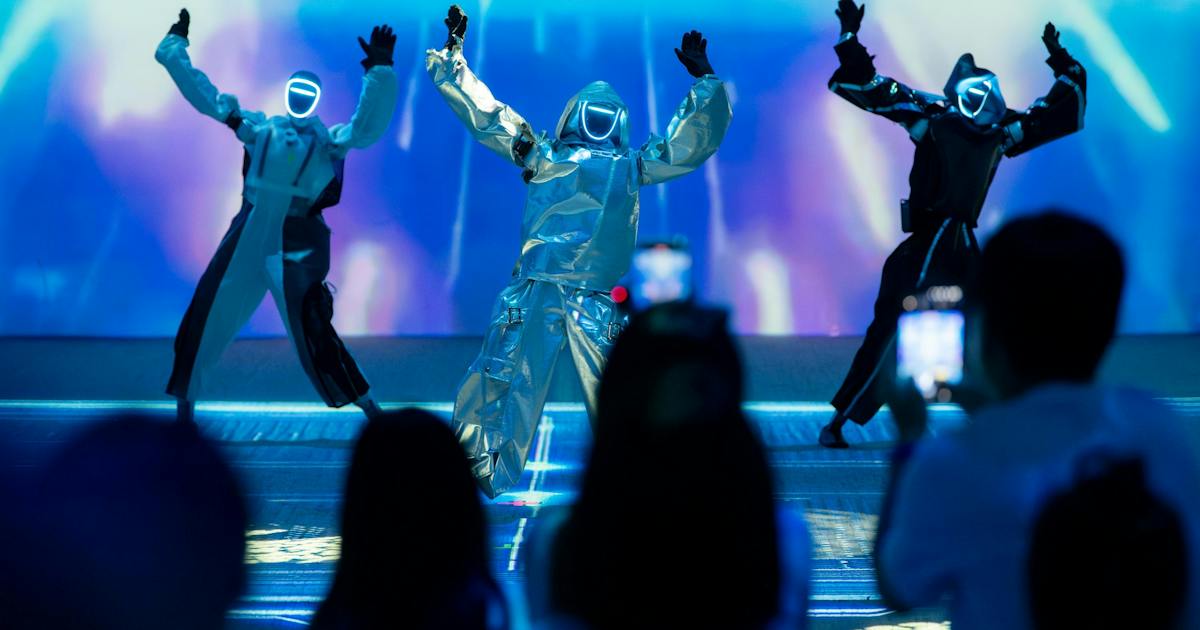
At Seoul's Galaxy Robot Park in Gangdong district, crowds including small children and foreign visitors gathered for a one-hour stage show in which humanoid robots dance alongside people to K-pop, part of a wider South Korean push into physical AI entertainment.
Why it matters
The venue shows physical AI moving from factory floors into paid entertainment, with robots also serving as baristas, drawing portraits and performing music — suggesting operators see consumer-facing robot experiences as a viable draw, though the article gives no visitor or revenue figures.
What to watch
Whether these spaces become a repeatable business hinges on details the article does not yet answer, such as pricing and how often shows change. Watch how Galaxy Robot Park expands its programming beyond dance.
WHO IT HITSThis lands on entertainment and leisure operators in South Korea looking for new attractions, and on robotics makers seeking consumer-facing showcases for humanoid hardware. Tourists and families in Seoul are the paying audience for these robot-driven experiences.
Summaries like this, in your inbox every morning.
The Galaxy Robot Park sits in Seoul's Gangdong district and, on a weekend in late September, its arena filled with toddlers, foreign tourists and other visitors for an hour-long stage — the format that has made dancing humanoid robots the venue's signature attraction. The article frames this as one example of a broader trend: entertainment spaces in South Korea where consumers can physically experience advances in physical AI.
The same venue extends beyond the stage. Robot baristas, portrait drawing and musical performance are offered alongside the dance shows, meaning the draw is not a single gimmick but a bundle of robot services under one roof.
What is not yet visible in the coverage is the economics. Whether these spaces become a durable business or a novelty hinges on factors the article does not address — repeat visits, pricing and how often the programming is refreshed. For now, the significance is that physical AI has found a consumer-facing showcase in South Korea, and the audience is showing up.
Pick your industry and the AI tools you use, and get news related to your work every day.
Free · 30 seconds with Google · unsubscribe anytimeWhat is AIToday? →
Ask AI anything about this article. The AI reads this article, earlier AIToday articles, and Wikipedia, and cites its sources. Q&As are published on this page for other readers too.
Ultra announced $62 million in funding — a $50 million Series A led by Framework Ventures plus a $12 million s…
Using OpenAI's Decisions API, model gpt-6-luna, a developer built a pipeline that answers questions like "is t…

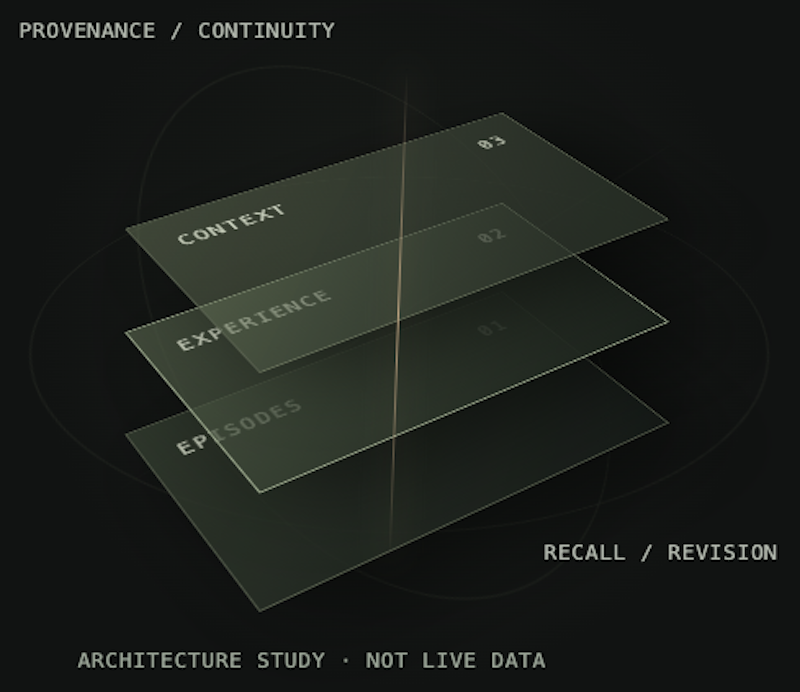
Monolithos launched a public alpha of Robot Brain, a long-term memory system that stores a robot's task histor…
Danaher announced the launch of its first AI powered autonomous laboratory aimed at life sciences research acc…
In a SoftBank dialogue, AI governance chief Tadashi Iida and expert Kyoko Yoshinaga said firms must justify hu…
Renesas has developed its first low-voltage GaN power semiconductor, working with EPC and drawing on its own d…