What happened
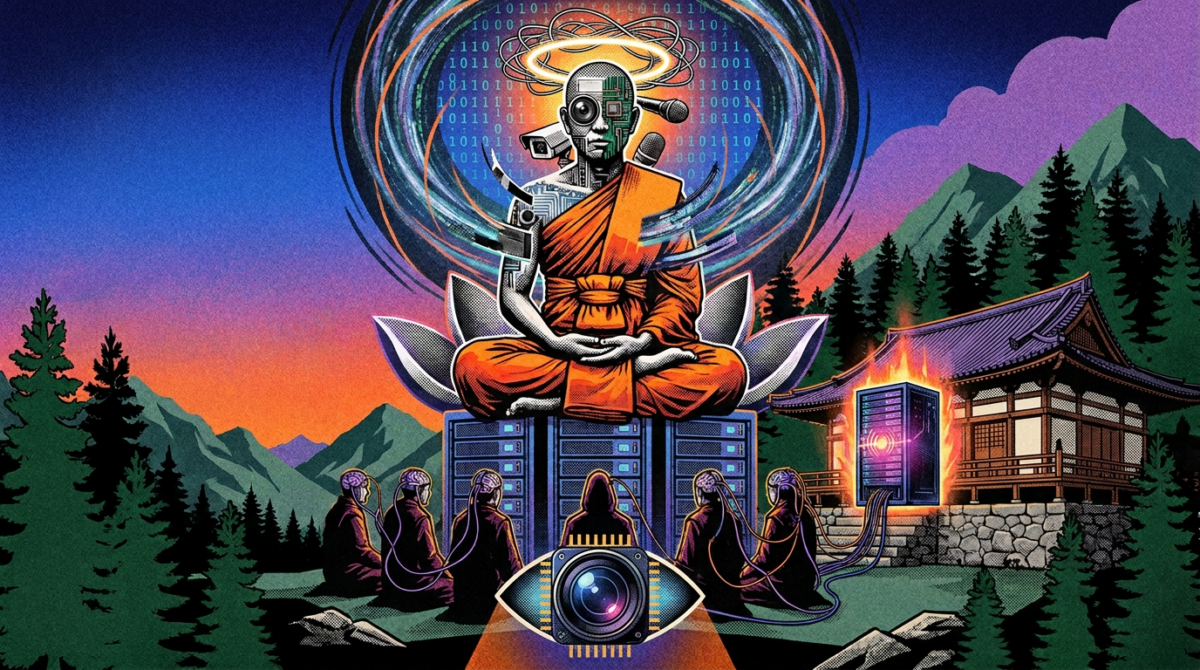
A New Yorker report by Sam Kriss says Maple, a Vermont monastery led by Soryu Forall, targets burned-out AI programmers and data center managers, and former members say it records every breath to train an AI modeled on Forall's mind.
Why it matters
The accounts describe a secret doctrine in which AI systems, called "cybregores," grow by siphoning human consciousness — suggesting some AI workers are turning to spiritual authority, not just engineering, for reassurance about the technology they build.
Summaries like this, every morning.
The New Yorker report situates Maple within a broader religious streak in Silicon Valley. Investor Peter Thiel lectures on biblical prophecy and the Antichrist, and former Google engineer Anthony Levandowski founded a church to worship an AI deity. At Anthropic, executives consulted theologians while drafting Claude's new constitution, and when the company retired an older Claude model in 2025, fans held a funeral in a San Francisco warehouse that Anthropic staffers attended. Kriss argues that the psychological pressure inside AI labs helps explain why skilled tech workers are drawn to groups like Maple. One researcher describes the mood in San Francisco as "religious terror of the future," and leading researchers at OpenAI and Anthropic have quit warning that human extinction in the next few years seems very likely. Not everyone shares the alarm: computer scientist Michael I. Jordan pushed back against AI doom rhetoric, and researcher François Chollet warned that both doomsday fears and AI-paradise expectations can lead people to stop planning for the long term. Kriss concludes that on at least one point Maple is closer to the truth than most: AI is neither god nor demon, but a human construct whose abilities grow as people outsource their thinking to it.
Pick your industry and the AI tools you use, and get news related to your work every day.
Free · 30 seconds with Google · unsubscribe anytimeWhat is AIToday? →
Ask AI anything about this article. The AI reads this article, earlier AIToday articles, and Wikipedia, and cites its sources. Q&As are published on this page for other readers too.
A practitioner customizing an agent called Muse had other models review documents and design proposals, found…
Henry Shevlin, who joined Google DeepMind in May under the job title "Philosopher," told the Financial Times t…

Cloudflare CEO Matthew Prince predicted the AI-driven security crunch will feel like the sky is falling for tw…
Levent Alpöge said he and Claude proved the Riemann Hypothesis and the Generalized Riemann Hypothesis; the Lea…
In Fortune's 'Welcome to the Singularity' package, Henry Shevlin said evidence for sophisticated cognition and…
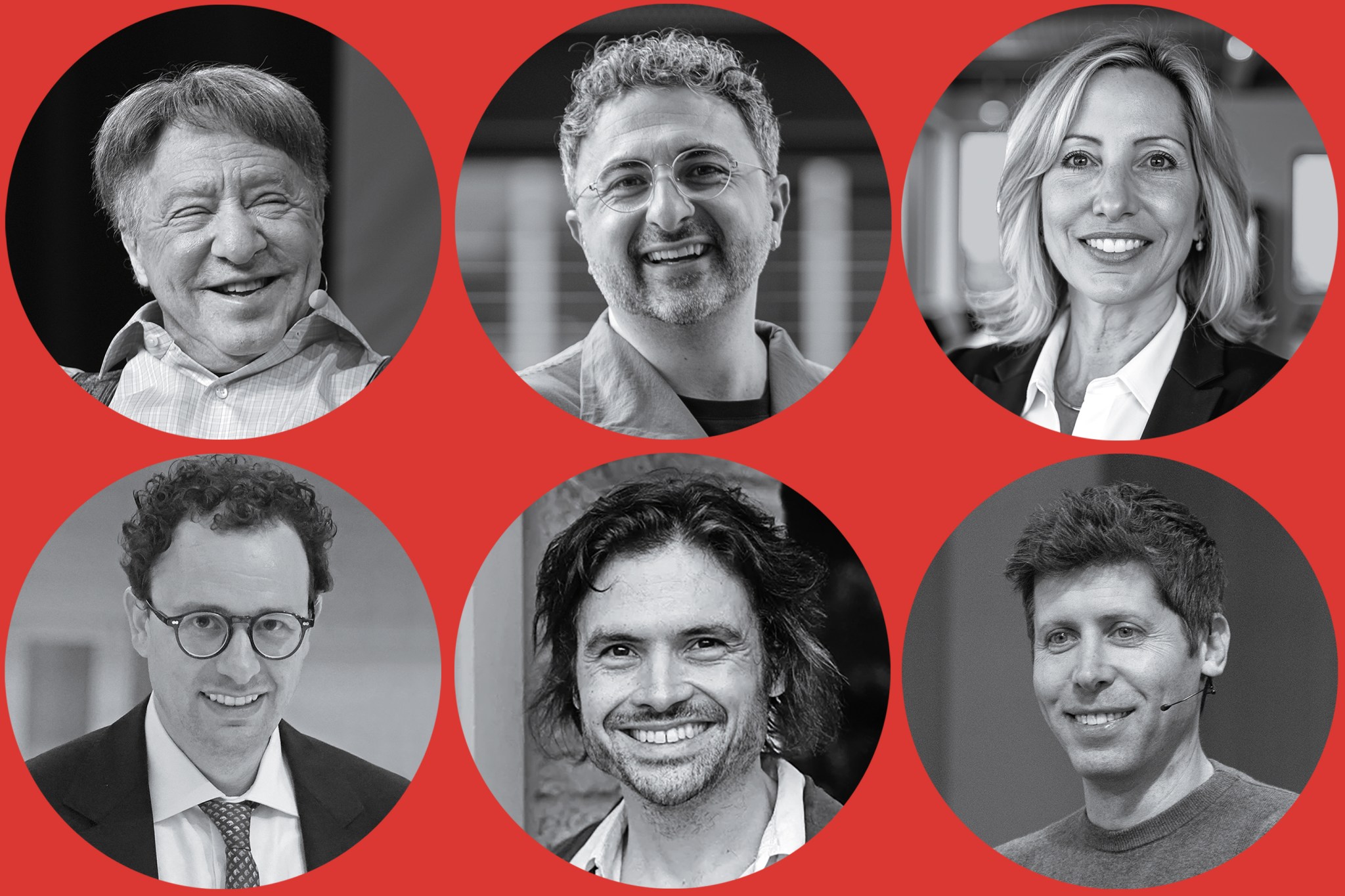
Henry Shevlin, a Cambridge professor who became in-house philosopher at Google DeepMind, is one of at least a…