What happened
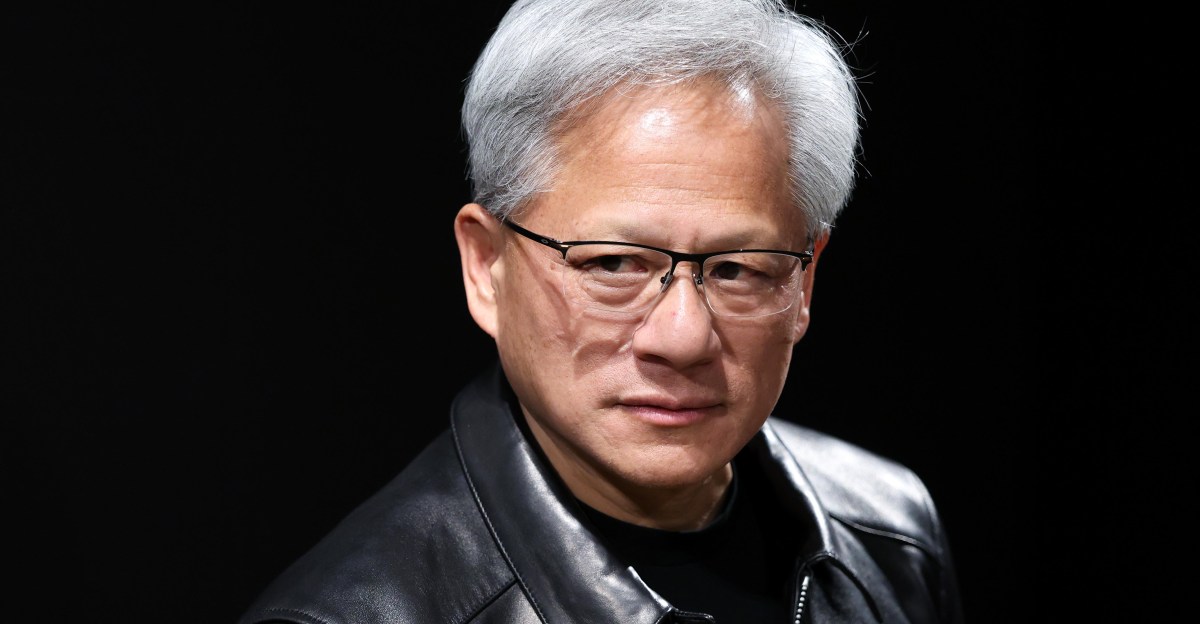
At the February 2024 World Government Summit, NVIDIA CEO Jensen Huang said every country must control production of its own intelligence. The term Sovereign AI now describes a four-layer stack: data, models, computing infrastructure, and operations and people.
Why it matters
Huang's framing makes controlling production of a country's own intelligence a matter of national management, not just buying AI. For leaders in government and regulated industries, that means deciding which layers they run themselves versus source externally.
Summaries like this, every morning.
Sovereign AI entered the vocabulary through NVIDIA's Jensen Huang, who told the February 2024 World Government Summit that every country needs to manage the production of its own intelligence. The framing has since been filled out into four layers — data, models, computing infrastructure, and operations and people — which together describe who decides how AI is used, who manages it, and who responds when something goes wrong.
The distinction that matters is between where data sits and who controls it. A domestic data center managed by a foreign company is not sovereign in this sense, and the U.S. CLOUD Act is cited as an example of how legal jurisdiction can reach data stored abroad. Likewise, a domestic LLM can still rely on overseas cloud services, while an open-weight model from abroad can raise autonomy if a country operates and improves it locally.
Countries are already testing the concept. Denmark's Gefion supercomputer supports weather-forecasting AI, Switzerland's Apertus discloses weights, training data, and development steps, and Japan is building domestic infrastructure alongside its 2025 AI Act and AI Basic Plan, with the Digital Agency planning 2026 trials of domestic LLMs on its Gen'nai environment. The practical question, as the piece frames it, is not full self-sufficiency but which parts a country or organization must keep under its own control.
Pick your industry and the AI tools you use, and get news related to your work every day.
Free · 30 seconds with Google · unsubscribe anytimeWhat is AIToday? →
Ask AI anything about this article. The AI reads this article, earlier AIToday articles, and Wikipedia, and cites its sources. Q&As are published on this page for other readers too.
newmo said it raised 208億円 in a Series B led by KDDI through a third-party allotment, with new investors inclu…
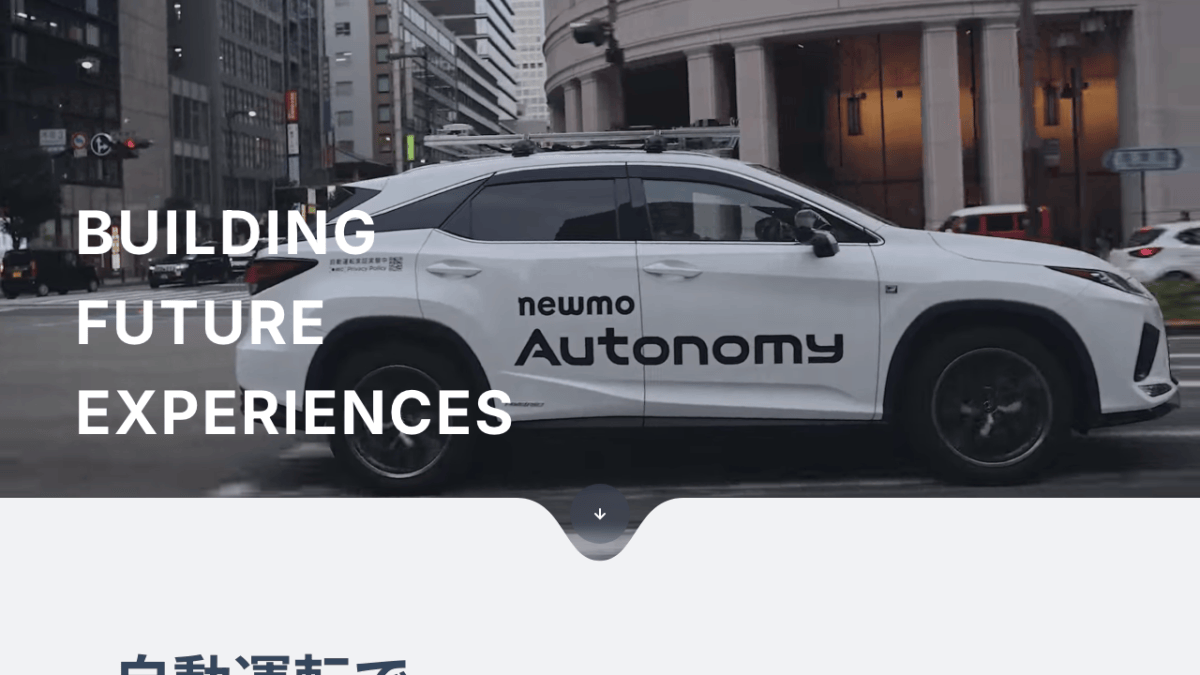
KII invested again in newmo via a third-party allotment, part of a 20.8 billion yen total raise that newmo wil…
株式会社AIworker published a free six-page report, "2026年11月版," covering how construction firms should rewrite gen…

In a Hot Chips keynote, Waymo Compute Lead Daniel Rosenband argued that camera-only autonomy, the route Tesla…
At KDDI SUMMIT 2026, held October 27–28 in Tokyo, KDDI announced its Alliance Park Project linking Osaka Sakai…
Nvidia announced Sunday that its Board of Directors launched an independent investigation into CEO Jensen Huan…