
What happened
AI care company operators propose Medicare and Medicaid adopt a five-year payment schedule with annual price cuts and 20 percent of payment tied to outcomes, starting with heart failure, which affects over 7 million Americans.
Why it matters
They argue current payment rules reward billing and denial software over patient health, and that tying payment to results could turn AI into savings rather than an added cost for patients.
Summaries like this, every morning.
The commentary argues that today's payment rules reward an arms race: hospitals buy software to bill and collect more, insurers buy software to pay less, and patients end up financing the contest through higher premiums or fights for coverage. The authors, who invest in and run AI care companies, say this dynamic amounts to an AI tax on patients.
Their alternative leans on clinical AI rather than administrative AI. They describe a future where an AI agent under human supervision tracks a patient's labs, weight, heart rate and medications between visits, helping clinicians adjust treatment continuously. For heart failure alone, they note that 90 percent of patients never reach the right medications and end up in the hospital.
To make that viable, they propose supervised sandboxes for testing clinical AI with independent assessment, and they insist human accountability remains throughout, including who reviews treatment decisions. Without such a deal, they warn, AI will go wherever today's incentives pay fastest—often toward administrative tactics that raise revenue without improving care.
Pick your industry and the AI tools you use, and get news related to your work every day.
Free · 30 seconds with Google · unsubscribe anytimeWhat is AIToday? →
Ask AI anything about this article. The AI reads this article, earlier AIToday articles, and Wikipedia, and cites its sources. Q&As are published on this page for other readers too.
Garner Health founder Nick Stepro, writing in Fortune, says a Swedish trial of more than 80,000 women found AI…
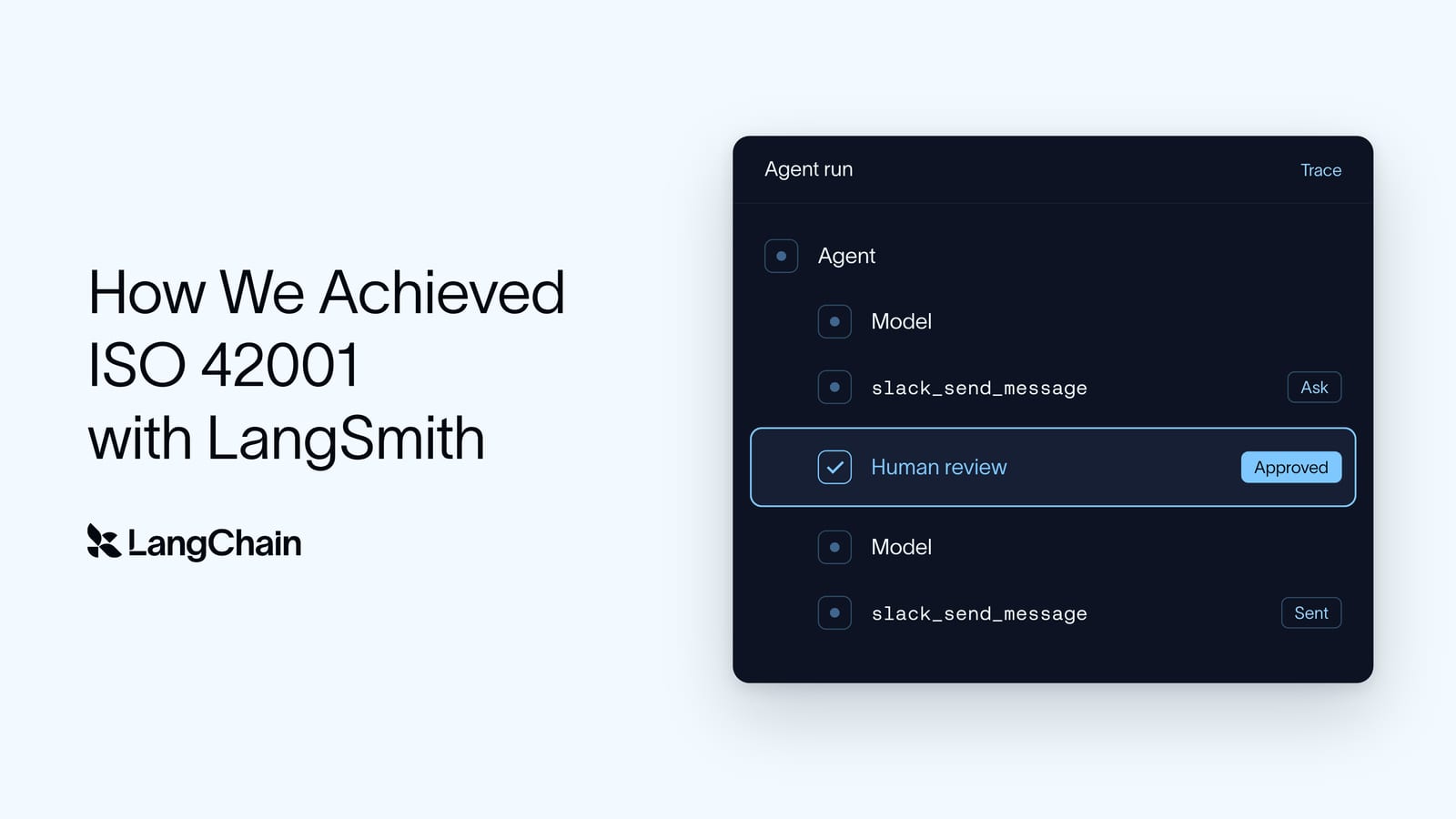
LangChain is now certified to ISO/IEC 42001, the international standard for AI management systems
OpenAI says its GPT-6 family designed protein structures and sequences using only reasoning and coding tools…

CVS Health's Compton-Phillips is eyeing AI and primary care amid the company's breakup, Axios reports

Fegan Scott is contesting a bid by Clarkson, Berger Montague and Scott + Scott to lead proposed nationwide cla…

Wells Fargo's updated online access agreement, dated Nov