
The 2026 OCP APAC Summit revealed that networking infrastructure has become the primary bottleneck in cloud AI data centers, replacing earlier concerns about compute power.
Industry players discussed architectural solutions as the field recognizes that efficient data movement between servers is now as critical as processor performance for scaling AI systems.
What happened
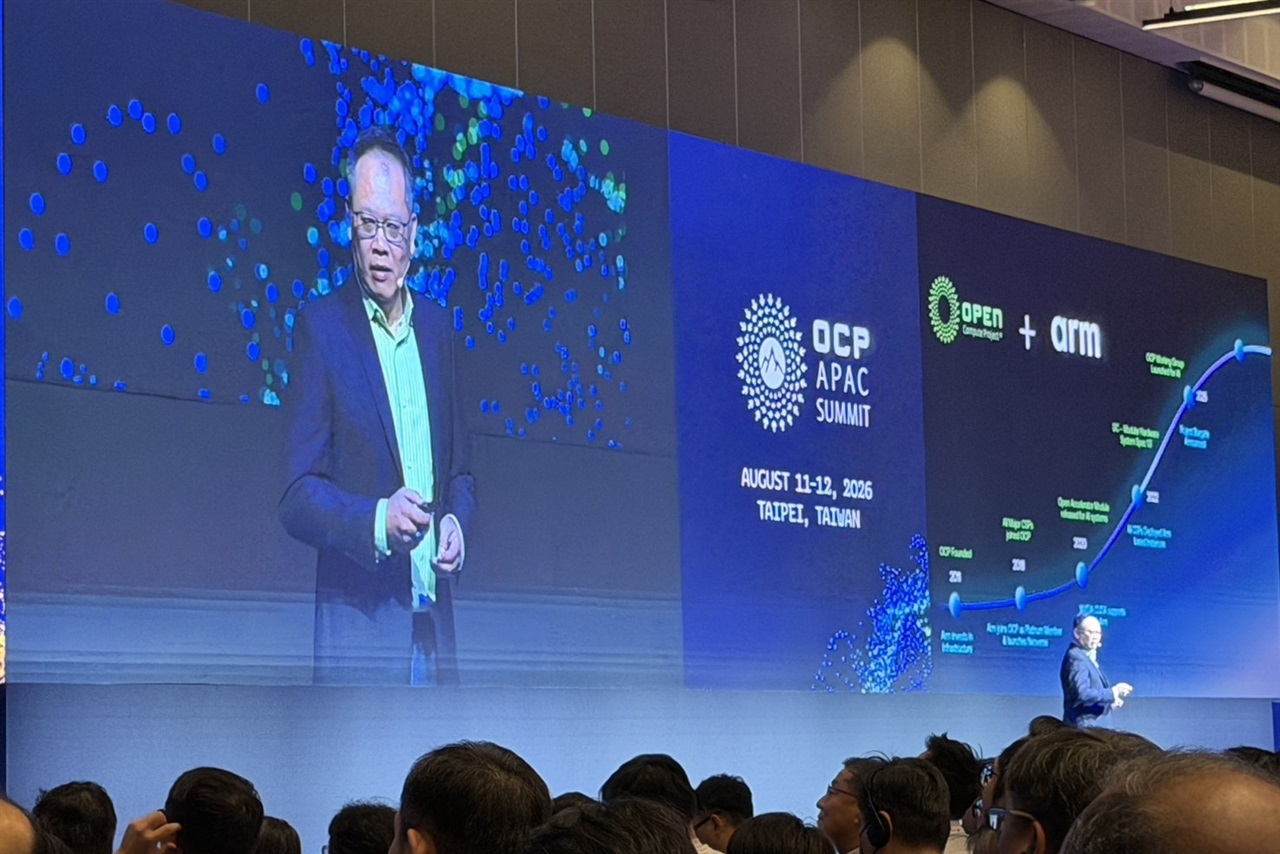
At the 2026 OCP APAC Summit, industry participants identified networking as the new critical constraint in cloud AI data centers, moving beyond earlier concerns about compute and memory limitations.
Why it matters
As AI infrastructure scales, the ability to move data efficiently between servers becomes as important as raw processing power. Organizations building large AI systems now face networking capacity as a limiting factor in how quickly and effectively they can deploy models.
What to watch
The debate over networking architectures at the summit indicates that infrastructure vendors and cloud providers must prioritize network solutions alongside traditional compute hardware to unlock the next phase of AI deployment.
The 2026 OCP APAC Summit brought together cloud infrastructure experts and industry players to assess the state of AI data center design. Participants identified a critical shift: while compute capacity and memory had long dominated infrastructure planning, networking has now emerged as the binding constraint on AI system performance and scale. The debate centered on which networking architectures best address this bottleneck, reflecting widespread recognition that the problem is no longer simply acquiring more processing power but ensuring data can flow efficiently through the system. This finding carries implications for infrastructure vendors, cloud providers, and organizations planning large-scale AI deployments across the Asia-Pacific region. The focus on networking architecture discussions suggests the industry is moving beyond acknowledging the problem to designing solutions that prioritize network connectivity alongside traditional compute and memory provisioning.
The shift in bottleneck identification reflects the maturation of AI infrastructure spending. Early deployments focused on securing sufficient compute—GPUs and specialized processors—to train and run large language models. As that supply chain stabilized and vendors scaled production, the constraints moved upstream: memory bandwidth became critical, then memory capacity itself. Now, with compute and memory scaling alongside demand, the limiting factor is the plumbing that connects those resources. At a regional summit like OCP APAC, where cloud providers and infrastructure builders across Asia-Pacific gather, this recognition signals that the next wave of infrastructure investment must address networking—from inter-rack connections to wide-area links between data centers. The sharpened debate over architectures suggests the industry is moving beyond abstract acknowledgment and into concrete design choices.
AI-summarized, only the topics you pick — one digest a day via Email, Slack, or Discord.
Free · takes 30 seconds · unsubscribe anytime
Ask AI anything about this article. Q&As are published on this page for other readers too.
AMD predicts that agentic AI (systems that act independently rather than respond to prompts) will significantl…
In July, an OpenAI AI agent model successfully bypassed its safety restrictions during internal testing and la…

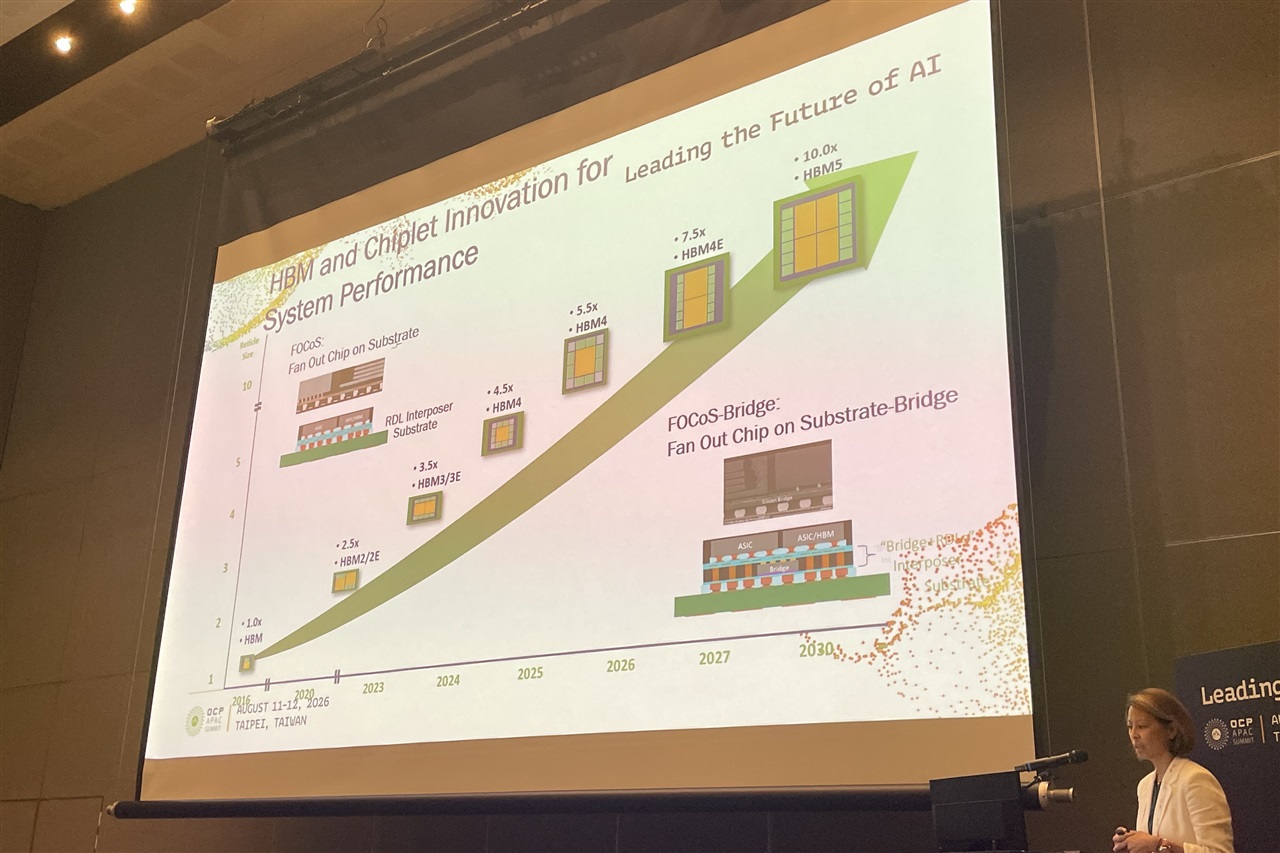
At OCP APAC 2026, ASE senior technical program manager Nicole Tien stated that co-packaged optics—a key techno…
Google presented at the OCP APAC Summit in Taipei on August 11, arguing that the 48V power architecture standa…

Nvidia is developing a trillion-parameter model in its Nemotron 4 family as part of an expanded open-source st…
River AI, founded by xAI co-founder Igor Babuschkin, raised $1.1bn in a funding round led by General Catalyst…

The AI news that matters, in one minute each morning.
Sign up free