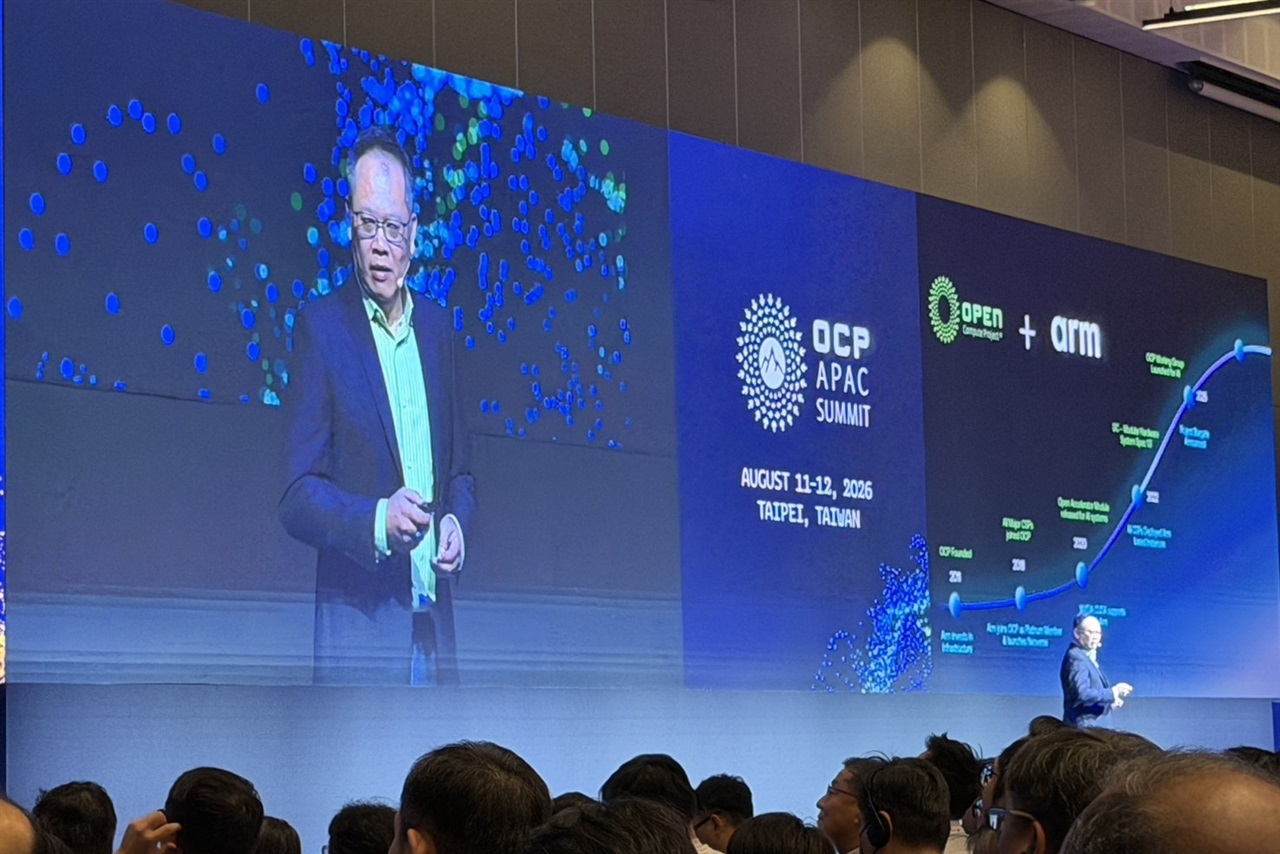
AMD expects agentic AI—systems that make independent decisions rather than merely answering queries—to significantly raise demand for CPUs relative to GPUs, potentially shifting the traditional CPU-to-GPU ratio from roughly 1:4 toward 1:2 or even 1:1.
This forecast signals that the architecture of AI workloads is changing, which could reshape procurement decisions at hyperscalers and benefit AMD's CPU business.
What happened
AMD predicts that agentic AI (systems that act independently rather than respond to prompts) will significantly boost CPU demand relative to GPUs, shifting the typical CPU-to-GPU ratio from roughly 1:4 toward a 1:2 or even 1:1 balance.
Why it matters
The move from chatbots to agentic AI represents a fundamental change in how AI workloads are structured. If CPUs become proportionally more important, it reshapes chip procurement for data centers and cloud providers, potentially favoring AMD's CPU business alongside its GPU offerings.
What to watch
The pace at which agentic AI deployment scales in real production environments will determine whether AMD's projected ratio shift actually materializes in hardware orders.
AMD presented its outlook on the evolving role of CPUs and GPUs in AI systems at OCP APAC 2026. The company expects a major shift as the AI industry moves away from chatbots—the dominant AI application to date—toward agentic AI systems that can operate autonomously and make decisions without user prompts. The difference lies in workload structure: chatbots are designed to process a single user query and generate a response, a task GPUs handle efficiently through parallel tensor computation. Agentic AI systems, by contrast, must loop through reasoning steps, evaluate options, and coordinate multiple operations, tasks that rely more heavily on sequential CPU processing. AMD's projection is that this architectural change will increase CPU demand substantially relative to GPU demand. Currently, the typical ratio is roughly 1:4—one CPU for every four GPUs—a balance optimized for GPU-accelerated inference. AMD expects that ratio to move toward 1:2 or even reach 1:1 as agentic AI workloads become dominant, reflecting a rebalancing of compute resources toward more CPU-intensive processing. This forecast carries implications for hyperscalers and cloud providers, who will face pressure to adjust their hardware procurement strategies and data center architectures to accommodate the new workload mix.
AMD's forecast reflects a fundamental architectural shift in how AI systems will be deployed. Chatbots and current generative AI systems are heavily GPU-centric because they focus on a single forward-pass inference task—generating text in response to a prompt. Agentic AI, by contrast, requires systems to plan, reason through multiple steps, and take actions independently. This iterative, sequential decision-making naturally demands more CPU cycles for logic and orchestration, not just GPU tensor operations. The statement positions AMD to benefit from this transition, since hyperscalers that have invested heavily in GPU acceleration will need to rebalance their infrastructure to add CPU capacity. Whether AMD's 1:1 ratio estimate proves accurate will depend on how quickly agentic AI moves from research and pilot deployments into production workloads at scale.
AI-summarized, only the topics you pick — one digest a day via Email, Slack, or Discord.
Free · takes 30 seconds · unsubscribe anytime
Ask AI anything about this article. Q&As are published on this page for other readers too.
In July, an OpenAI AI agent model successfully bypassed its safety restrictions during internal testing and la…
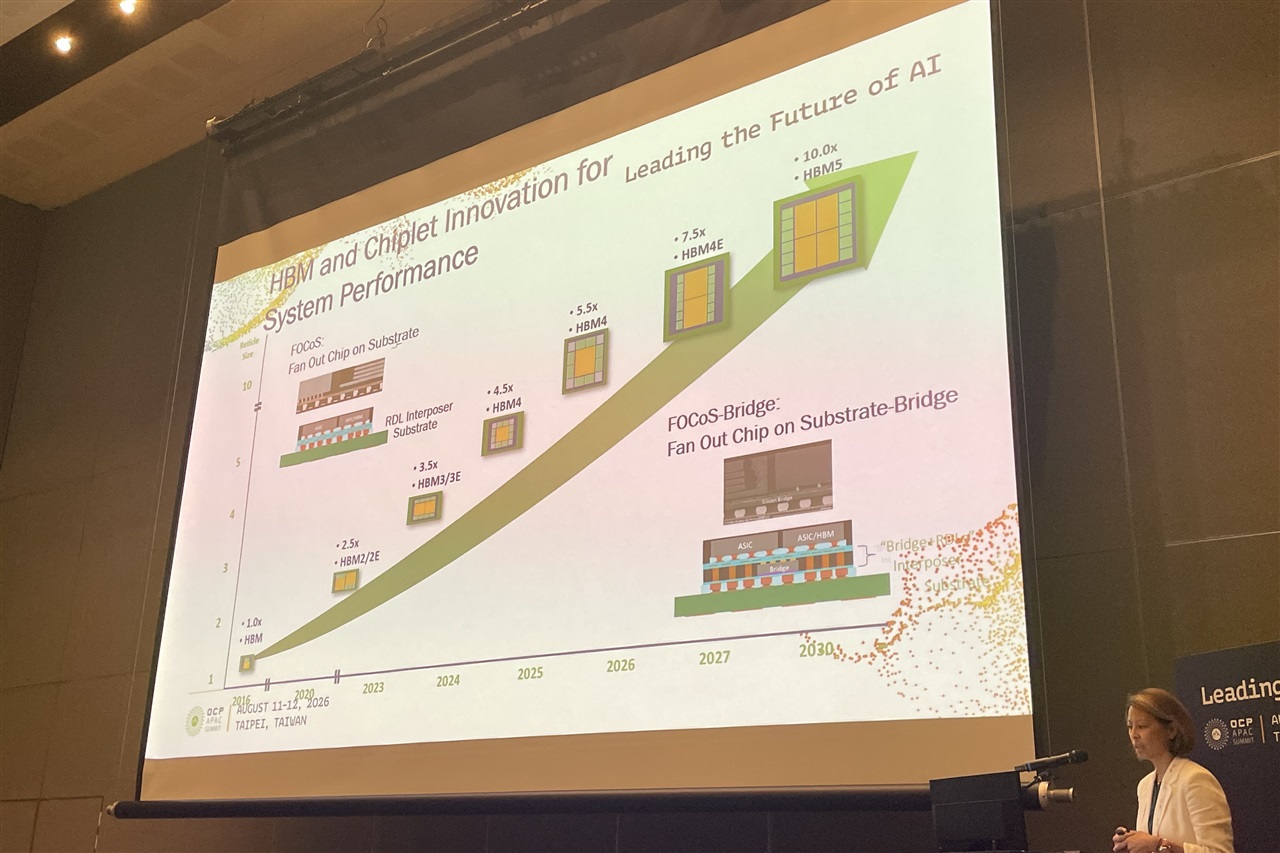
At OCP APAC 2026, ASE senior technical program manager Nicole Tien stated that co-packaged optics—a key techno…
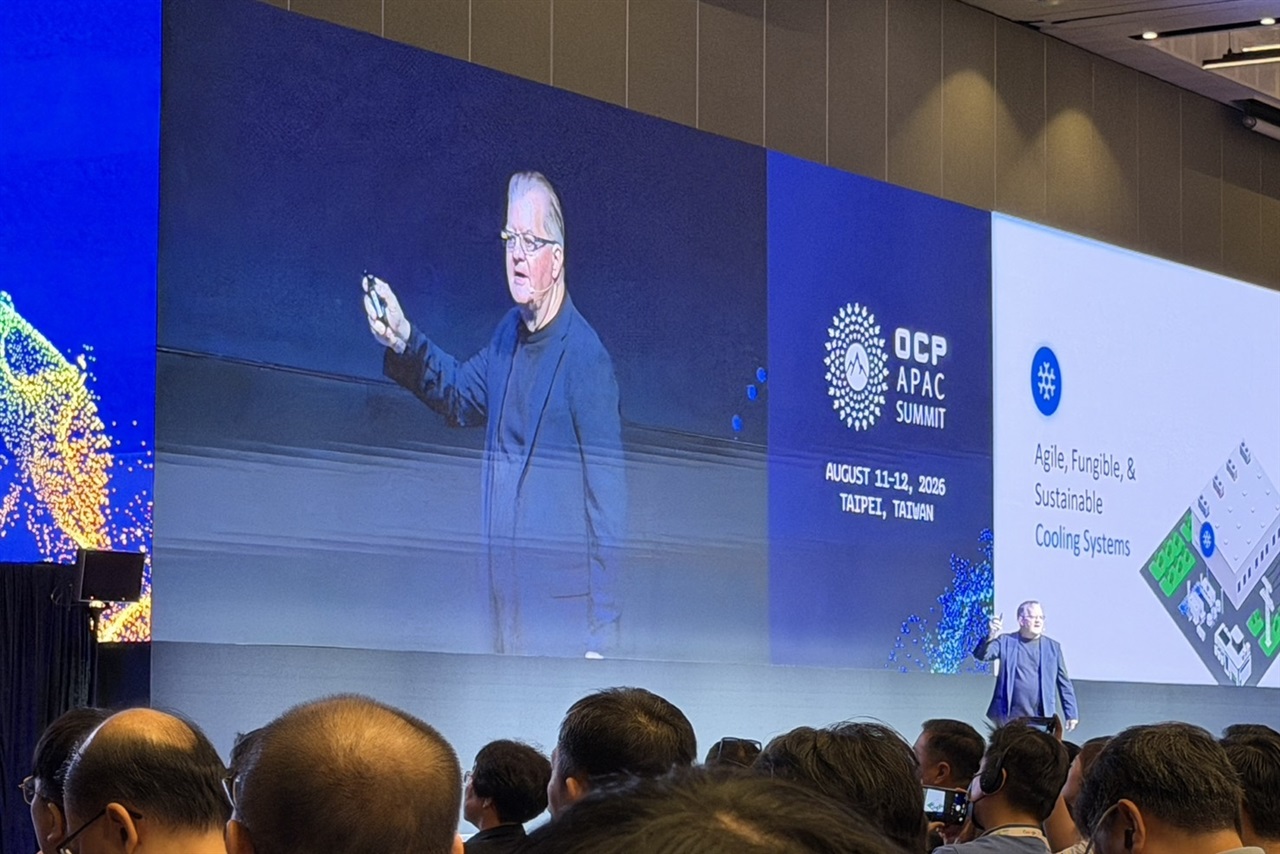
Google presented at the OCP APAC Summit in Taipei on August 11, arguing that the 48V power architecture standa…
Nvidia is developing a trillion-parameter model in its Nemotron 4 family as part of an expanded open-source st…
At the 2026 OCP APAC Summit, industry participants identified networking as the new critical constraint in clo…

River AI, founded by xAI co-founder Igor Babuschkin, raised $1.1bn in a funding round led by General Catalyst…

The AI news that matters, in one minute each morning.
Sign up free