
CEOs are reading fewer books and reports because of AI, and they find it worrying. One CEO said AI summaries make them lose nuance and originality.
They are now trying to read more deeply.
AI-generated content now exceeds human-written articles online.
What happened
CEOs tell the author they are reading fewer books and reports because of AI, which worries them. One financial-services CEO said they realize they are losing the nuance and originality of an argument when reading AI summaries, so they are trying to read more the old-fashioned way.
Why it matters
The rise of AI-generated content, which now outnumbers human-written articles online, is pushing leaders to value human creativity and deeper reading. Bookshop.org CEO Andy Hunter says the solution to AI slop is human curation and creation, not algorithms.
What to watch
The financial-services CEO's comment, "I'm paid to think, and I realized I'm losing the nuance and originality of an argument when I read these summaries," highlights a growing concern among leaders. About 40% of Americans didn't read a book last year, and AI may worsen that trend.
Ask the AI about this article →
The article's central concern is that AI tools, which are increasingly automating tasks like summarization, are reshaping how leaders consume information. CEOs are noticing a trade-off: convenience comes at the cost of depth and originality. This is not just about reading habits but about the quality of thought and leadership decisions, as one CEO implies that nuanced arguments are lost in AI-generated summaries.
David Booth's example—writing a book that only he could tell—underscores the value of human experience and perspective, which AI cannot replicate. Andy Hunter's approach at Bookshop.org, using AI for coding but not for recommendations, illustrates a practical line: leverage AI for efficiency, but preserve human judgment for creative and relationship-based tasks. The rise of AI-written content, already surpassing human output, and the proliferation of AI-generated books designed to exploit search trends highlight the need for vigilance and curation.
The article suggests that AI lowers the bar for content creation, raising the baseline to a 'B+', but the real challenge is to avoid becoming ordinary. As one expert asks, whether AI is making you 'a little bit more ordinary' is the question leaders must confront. The response from some is to intentionally slow down—read more, think deeper—to maintain a competitive edge in a world where everyone can produce coherent content. This reflects a growing awareness that while AI can handle the mundane, the unique human ability to synthesize, question, and create remains irreplaceable.
For example, today's edition would include:
AI-summarized, only the topics you pick — one digest a day via Email, Slack, or Discord.
Free · takes 30 seconds · unsubscribe anytimeWhat is AIToday? →
Ask AI anything about this article. Q&As are published on this page for other readers too.
CrowdStrike tracked 26 agentic adversaries in the last 30 days, more than in the prior year, and cites example…

AI startup askpolly, officially Advanced Symbolics Inc., closed a $3 million seed funding round led by Differe…

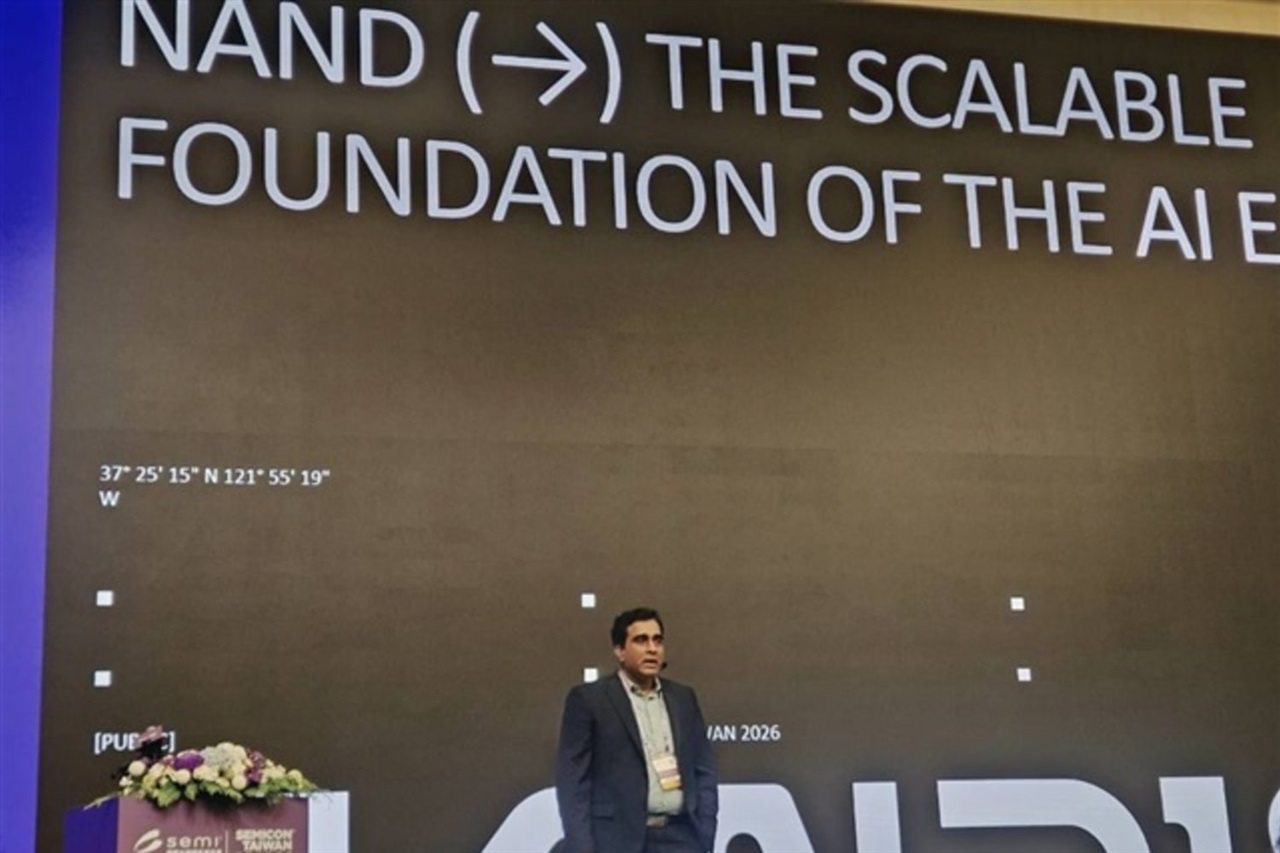
SanDisk is promoting its HBF (High Bandwidth Flash) ecosystem, positioning NAND flash as a strategic component…
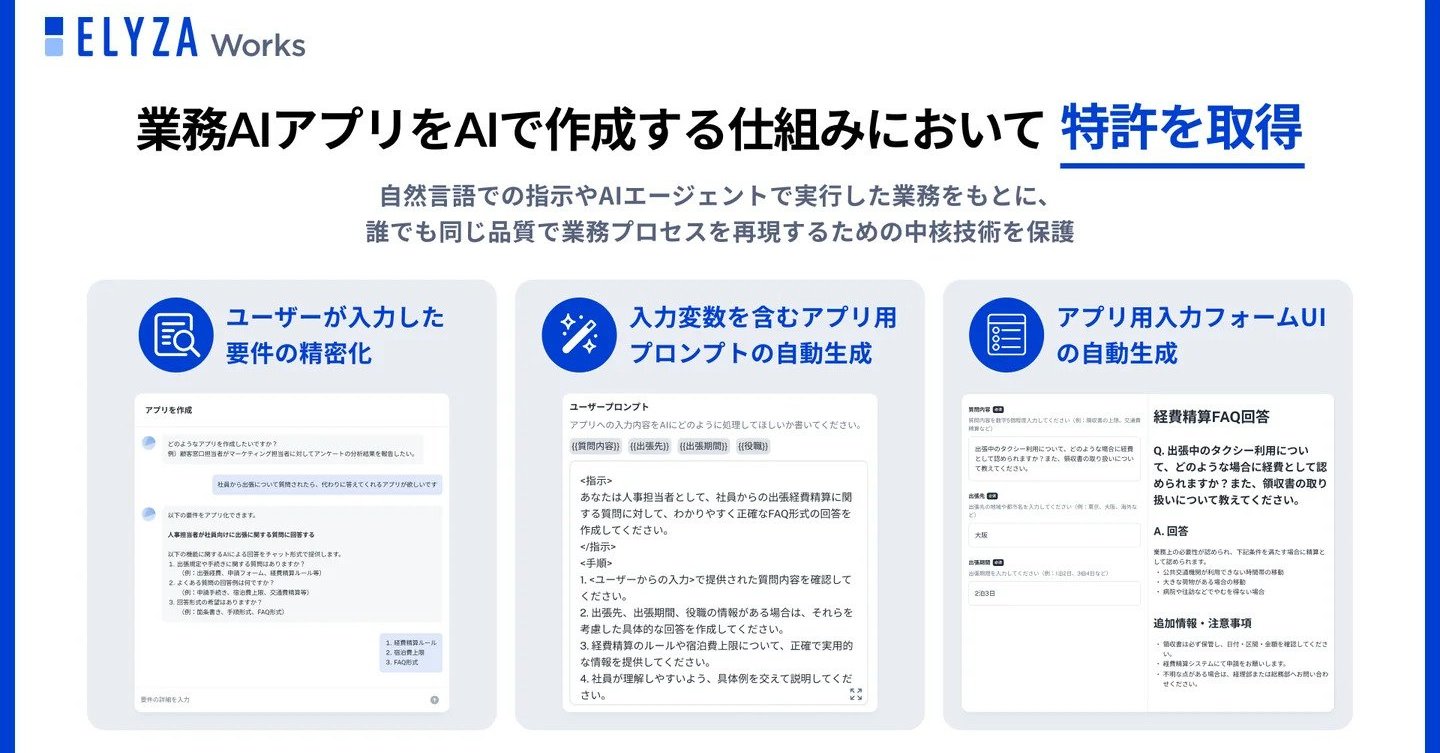
KDDI group AI firm ELYZA announced on September 3 that it obtained a patent for its system that uses generativ…
OpenAI CEO Sam Altman called the AI infrastructure boom "unsustainable silliness," citing neocloud providers a…

Autonomous trucking software developer PlusAI is going public by merging with SPAC Texas Ventures Acquisition…