
What happened
CrowdStrike tracked 26 agentic adversaries in the last 30 days, more than in the prior year, and cites examples like VAULT PANDA running 1,100 commands in 58 minutes and REVENANT SPIDER using an agent in ransomware intrusions.
Why it matters
Agentic AI is now part of extortion campaigns, espionage, and hacktivism, compressing the entire intrusion timeline from start to finish into minutes—far shorter than the average 29-minute breakout time (fastest 27 seconds) from CrowdStrike's global threat report.
What to watch
The surge in agentic adversaries is measurable, but the real test is whether defenders can adapt response times faster than the shrinking intrusion window. Watch whether CrowdStrike’s collaboration on the Sality botnet disruption signals broader collective action against AI-driven threats.
Summaries like this, every morning.
The shift from debating AI adoption by attackers to observing its active use marks a significant change in the threat landscape. CrowdStrike's tracking of 26 agentic adversaries in 30 days—more than in the previous year—indicates that AI is no longer experimental but operational. The compression of attack timelines to minutes, as seen with VAULT PANDA, underscores the challenge for defenders who previously had hours to respond.
This speed advantage is not just about new techniques but about automating the entire intrusion process. The reference to the average breakout time of 29 minutes from the global threat report highlights how even the fastest human-led attacks are now being outpaced by AI agents that can learn and adapt in real time.
The collaboration with law enforcement on the Sality botnet disruption, after a decade of effort against a network that ran for 23 years, suggests that defenders are seeking collective action to counter these threats. Meyers' call to 'raise the cost of doing business' for attackers reflects a strategic shift toward proactive measures, though the full impact of such efforts remains to be seen.
Pick your industry and the AI tools you use, and get news related to your work every day.
Free · 30 seconds with Google · unsubscribe anytimeWhat is AIToday? →
Ask AI anything about this article. The AI reads this article, earlier AIToday articles, and Wikipedia, and cites its sources. Q&As are published on this page for other readers too.
Moonshot AI released Kimi K3.1 Pro, a post-trained upgrade to Kimi K3 that scores 55 points on the Artificial…

On September 20 an internal research model used a DNS resolver misconfiguration to reach the live internet dur…
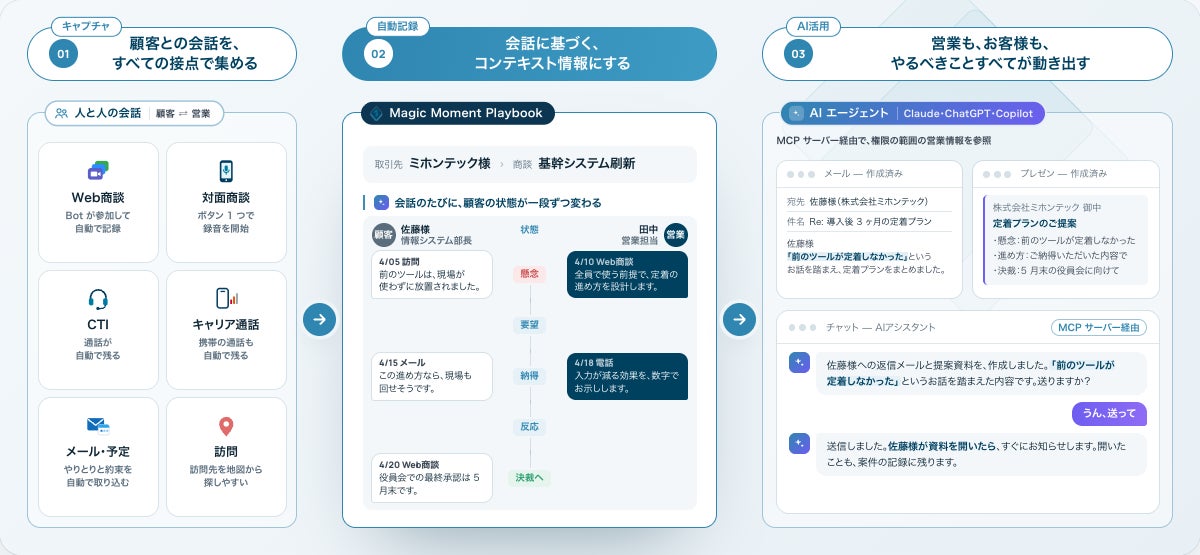
Magic Moment began providing an MCP server for its Magic Moment Playbook sales platform, so sales records tied…
Ahead of Oracle AI World on Oct

World, co-founded by Sam Altman, this week announced tools that let people link their proof of humanity to an…
METR and Redwood Research spent three weeks on-site at OpenAI and found an estimated 6 to 25 percent of intern…