What happened
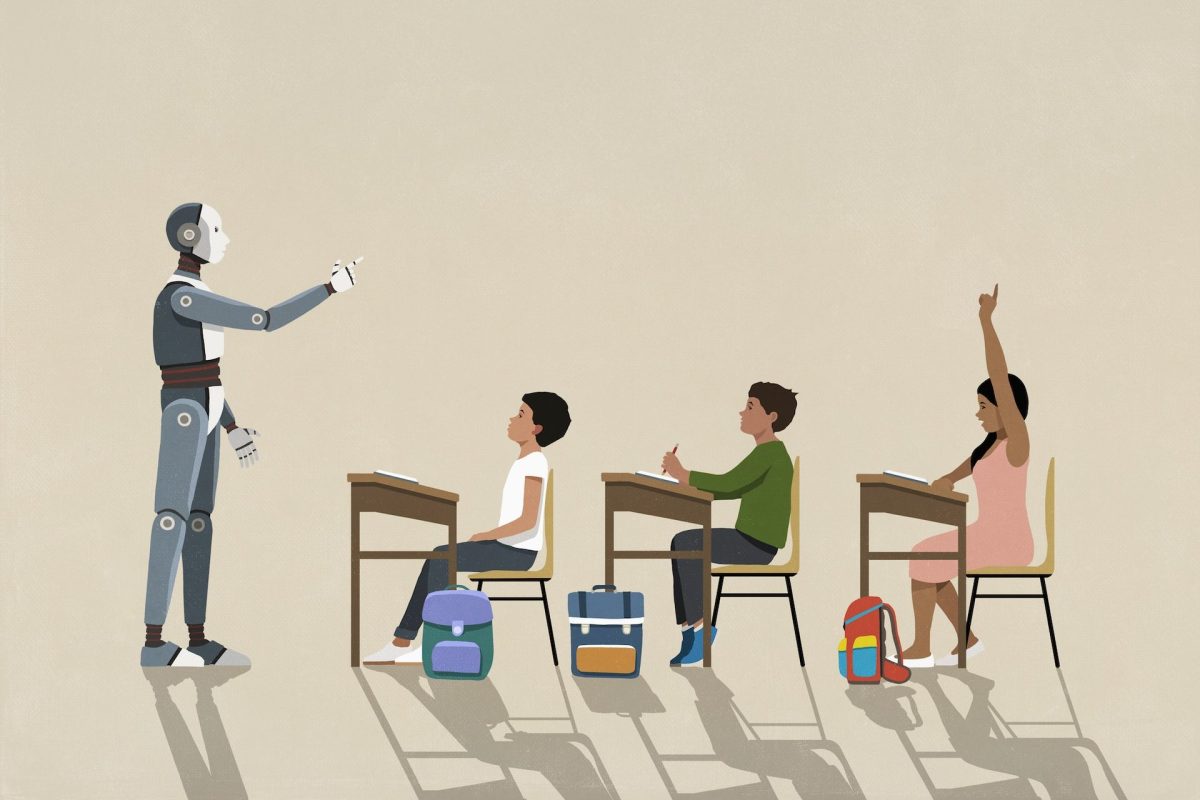
Harvard Business School's eight-week HBS Foundry bootcamp, priced at $699, now includes AI avatars created by startup HeyGen. The avatars, modeled after real instructors, provide feedback during practice pitches and board meetings, while live instructors lead weekly sessions.
Why it matters
The avatars fill a gap between live sessions by offering on-demand, personalized critique at scale—a model that could help elite programs like HBS extend instruction beyond their traditional cohort size and geographic limits. Project director Katharina Rings initially planned a chatbot, but student feedback drove the shift to full avatars, suggesting learners prefer a more guided, human-like presence.
What to watch
Student uptake and satisfaction are the clearest signals. Foundry participants told reporter Sarah Kessler they like the avatars—including co-founder Jeff Bussgang, whose digital copy delivers feedback despite admitting it feels "creepy."
Summaries like this, in your inbox every morning.
Harvard Business School's deployment of AI avatars in HBS Foundry reflects a broader tension in education technology: how to scale personalized feedback without proportionally scaling instructor labor. The program began with a narrower concept—project director Katharina Rings initially envisioned a chatbot interface—but student demand pushed the design toward something more interactive and humanlike. This shift suggests that learners, at least in an elite business context, value the appearance of individual attention even when it is mediated by AI. The choice to use realistic avatars of named instructors like Flybridge Capital co-founder Jeff Bussgang adds another layer: the avatars inherit the reputation and perceived expertise of their human originals, which may increase their credibility in the eyes of entrepreneurs seeking mentorship. Yet even Bussgang himself acknowledged the avatars as "creepy," indicating that the uncanny valley may persist even among participants who find the tool useful.
Pick your industry and the AI tools you use, and get news related to your work every day.
Free · 30 seconds with Google · unsubscribe anytimeWhat is AIToday? →
Ask AI anything about this article. The AI reads this article, earlier AIToday articles, and Wikipedia, and cites its sources. Q&As are published on this page for other readers too.

