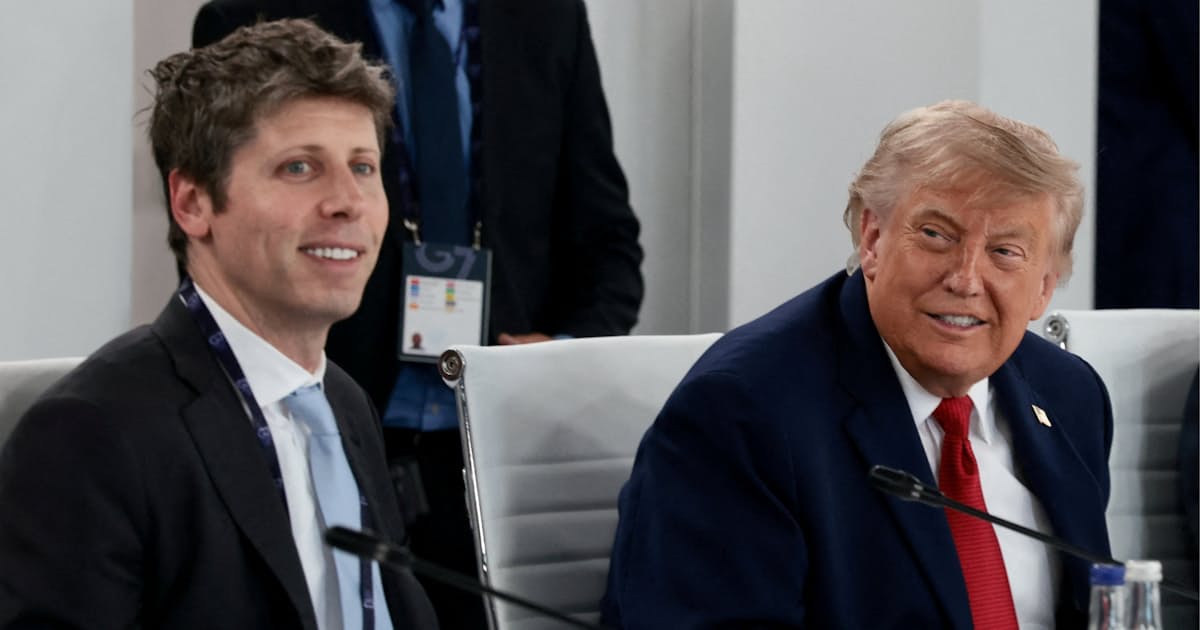
Tech firms are working to reduce AI-driven bioterrorism threats.
AI models speed drug discovery but can also aid bioweapons.
Experts warn of a "Mythos" moment for AI and bio.
What happened
Tech firms are scrambling to reduce the threat of AI-driven bioterrorism, as reported by the Financial Times. AI models, already speeding up drug discovery, also carry dual-use risks: information for vaccines could "create a bioweapon," per a Google DeepMind researcher.
Why it matters
An AI safety expert warned of a "'Mythos' moment for AI and Bio," referencing Anthropic's model finding vulnerabilities in most software. Terrorist groups already employ AI, and assessing risks in bioscience is harder than in cybersecurity, with an immunologist warning, "All it will take is one screw-up."
What to watch
Whether AI labs' current safeguards against dangerous use are enough, given the difficulty of assessing bioscience risks compared with cybersecurity.
Ask the AI about this article →
The article highlights a growing concern among tech firms and researchers: AI's dual-use nature in bioscience. While AI accelerates drug discovery, the same capabilities could be misused to create bioweapons. A Google DeepMind researcher noted that vaccine information could also enable bioweapon creation, underscoring the fine line between beneficial and harmful applications. The comparison to Anthropic's model, which can find vulnerabilities in most software, suggests a parallel in bio risks. Experts emphasize that terrorist groups already use AI, and the difficulty of assessing bioscience risks adds urgency. The immunologist's warning, "All it will take is one screw-up," captures the heightened stakes, though specific incidents have not yet occurred. This context suggests that while current safeguards exist, the potential for misuse remains a pressing concern for the industry.
For example, today's edition would include:
AI-summarized, only the topics you pick — one digest a day via Email, Slack, or Discord.
Free · takes 30 seconds · unsubscribe anytimeWhat is AIToday? →
Ask AI anything about this article. Q&As are published on this page for other readers too.
CrowdStrike tracked 26 agentic adversaries in the last 30 days, more than in the prior year, and cites example…

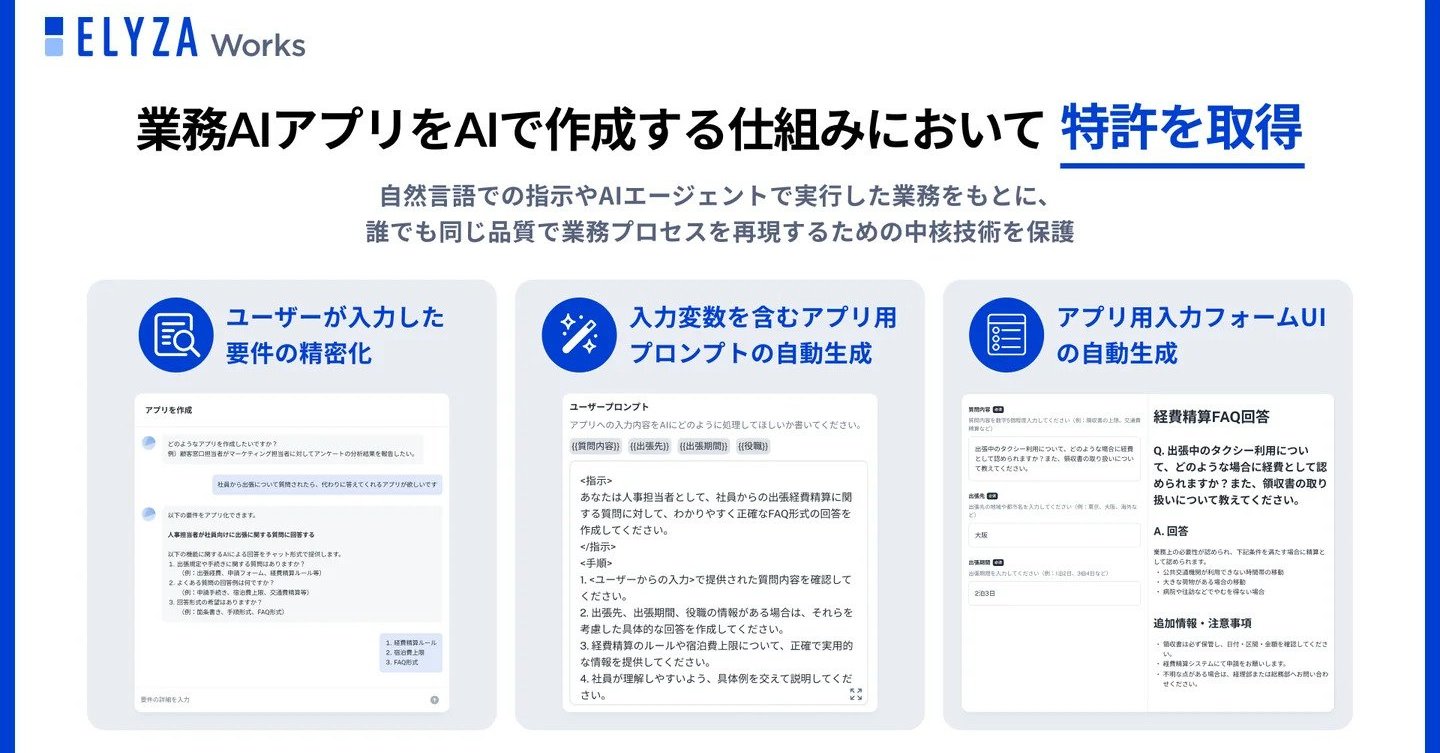
KDDI group AI firm ELYZA announced on September 3 that it obtained a patent for its system that uses generativ…
Google Threat Intelligence Group's May 2026 report found that AI is now used in nearly all stages of cyberatta…

A former Tokyo Metropolitan Police investigator with expertise in fraud cases warns that AI is being used in v…

A January 2026 report by the U.N.'s ITU and WBA found tech firms are not cutting emissions fast enough to meet…
The Trump administration, through the US Department of Justice, filed a brief on September 1 in a New York fed…