What happened
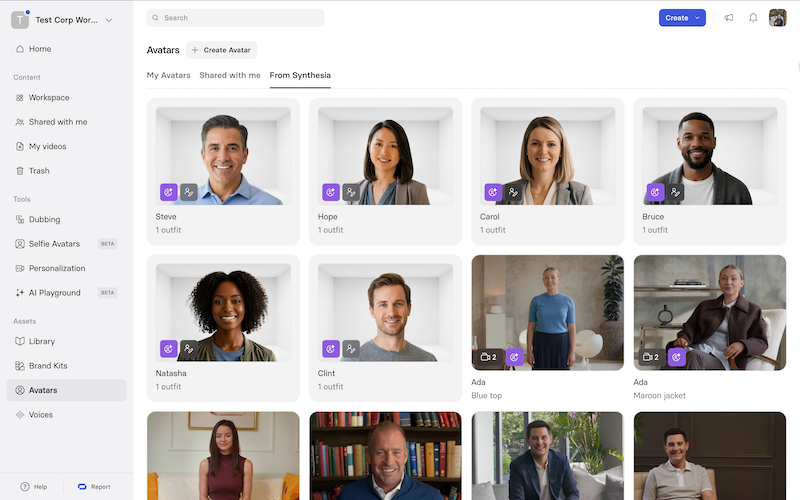
A guide to five enterprise AI avatar platforms—Synthesia, Colossyan, D-ID, Elai.io, and DeepBrain AI Studios—identifies governance and security as the primary evaluation criteria for businesses, not visual fidelity. Synthesia offers 240+ stock avatars across 160+ languages and five avatar formats (stock, customizable, personal, studio, and interactive); Colossyan emphasizes SCORM-compatible training exports; D-ID prioritizes API-first architecture; Elai.io converts documents to video; and DeepBrain AI Studios focuses on fast turnaround from text.
Why it matters
Avatar generation technology presents a dual-use problem—the same capability that creates training video enables executive impersonation. Enterprises must now treat avatar platforms as security infrastructure, not creative tools, requiring audit trails of who generated which video with which likeness, role-based access controls, revocation processes, and takedown support. The EU AI Act Article 50 transparency obligations apply from 2 August 2026, and platforms like YouTube independently mandate disclosure of synthetic content, making governance part of the production workflow rather than a sign-off step.
What to watch
Synthesia is identified as the strongest general-purpose choice because its personal avatar process requires a recorded consent statement before a likeness can be used—the single most examinable control in the comparison. Colossyan is recommended for teams where SCORM and structured course delivery are non-negotiable. D-ID's certification claims conflict between its own materials (ISO 27001, ISO 27017, ISO 27018, ISO 42001, SOC 2) and third-party 2026 comparisons stating it holds neither SOC 2 nor ISO 27001—verification of compliance documentation is critical before shortlisting.
Summaries like this, in your inbox every morning.
The shift toward enterprise adoption of AI avatar generators has exposed a fundamental governance challenge: the same technology that automates training video production also enables impersonation. This dual-use problem—rarely emphasized in consumer-focused product comparisons—is now the defining criterion for enterprise procurement decisions. The article frames this not as squeamishness but as a technical security reality: a platform holding a generated likeness of an executive holds something valuable to attackers, and the controls around it are a security question rather than a procurement formality.
The five platforms evaluated span different primary use cases (Synthesia for format breadth, Colossyan for SCORM training delivery, D-ID for programmatic integration, Elai.io for document-to-video workflows, and DeepBrain AI Studios for speed), but the article's central argument is that the choosing factors transcend these distinctions. Instead, buyers should prioritize role-based access controls on avatar creation, comprehensive audit logging, revocation processes, and takedown support. Synthesia distinguishes itself not because of superior visual fidelity but because its consent capture process—a recorded statement before a likeness can be used—is the most examinable control in the comparison. This procedural clarity matters more at enterprise scale than any individual feature.
Regulatory developments reinforce this governance-first approach. The EU AI Act Article 50 transparency obligations effective 2 August 2026 impose independent disclosure requirements, and platform policies from YouTube and others operate in parallel. The article advises building disclosure into the production workflow rather than treating it as a final communications decision, aligning with the broader lesson that the tooling matters less than the governance around it.
Pick your industry and the AI tools you use, and get news related to your work every day.
Free · 30 seconds with Google · unsubscribe anytimeWhat is AIToday? →
Ask AI anything about this article. The AI reads this article, earlier AIToday articles, and Wikipedia, and cites its sources. Q&As are published on this page for other readers too.

