What happened
OpenAI built a system called "Private Safety Processing" that detects abuse patterns across multiple conversations while retaining zero customer data—customer data stays on their own infrastructure or encrypted with customer-held keys, and OpenAI receives only a narrow safety signal (type and severity, not actual inputs or outputs).
Why it matters
Enterprise customers can now access OpenAI's most advanced models without the company storing their data, addressing a key concern for organizations handling sensitive information. This contrasts with competitor Anthropic, which requires 30 days of data retention for its most powerful models such as Fable 5.
What to watch
OpenAI plans to release a technical white paper on the system in September, which will provide details on how the safety detection works across multiple related interactions.
Summaries like this, in your inbox every morning.
OpenAI's new Private Safety Processing system addresses a fundamental tension in enterprise AI deployment: the need to detect harmful behavior while respecting data privacy and sovereignty. The company's insight, articulated by Aleah Houze (Head of Product Policy), is that abuse patterns often become apparent only across multiple conversations—which traditionally would require data retention. By architecting the system to receive only aggregated safety signals rather than raw customer inputs and outputs, OpenAI can identify abuse trends without direct access to sensitive information.
This design choice positions OpenAI competitively against Anthropic, which currently mandates 30 days of data retention even for its most capable models like Fable 5. For regulated industries and privacy-conscious enterprises, the zero data retention (ZDR) model represents a material advantage. OpenAI's planned technical white paper in September will likely clarify the cryptographic and signal-processing mechanisms that make this detection possible, giving the industry a concrete alternative to the data-retention-based safety approach.
Pick your industry and the AI tools you use, and get news related to your work every day.
Free · 30 seconds with Google · unsubscribe anytimeWhat is AIToday? →
Ask AI anything about this article. The AI reads this article, earlier AIToday articles, and Wikipedia, and cites its sources. Q&As are published on this page for other readers too.
Intel CEO Lip-Bu Tan and Broadcom CEO Hock Tan said at a Singapore financial conference that access to capital…
Dell's Helen O'Sullivan said Bay Area customers are exhausting token budgets allotted for months within a matt…

Plans for the Terafab project are beginning to take shape, with Elon Musk pursuing a scaled chipmaking initiat…

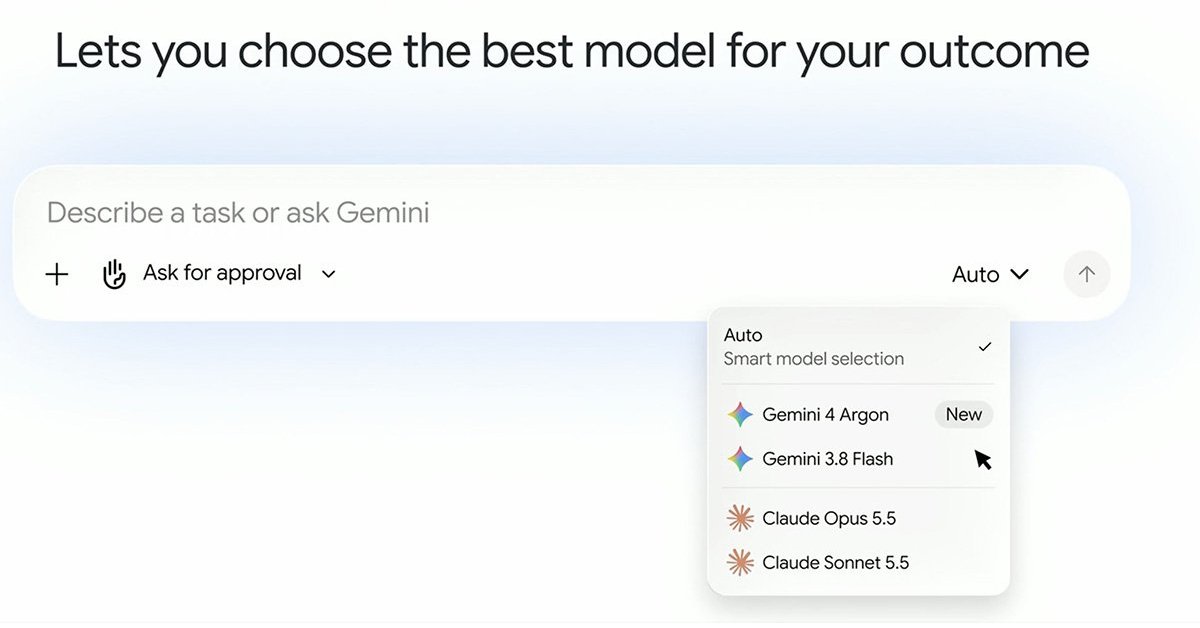
Google Cloud announced Gemini Agent on October 9, a multi-agent tool that runs in the cloud and isn't locked t…
An analyst rated Alphabet the better 2026 buy over Meta, citing its latest quarter's 24% revenue growth and Go…

Joinclass LLC (合同会社ジョインクラス) routes all nine unattended Claude Code jobs to --effort low through its claude-run…


