MongoDB University and Voyage AI have released free AI Skill Badges that teach developers how to build production-grade applications using vector embeddings and retrieval-augmented generation without needing separate embedding pipelines.
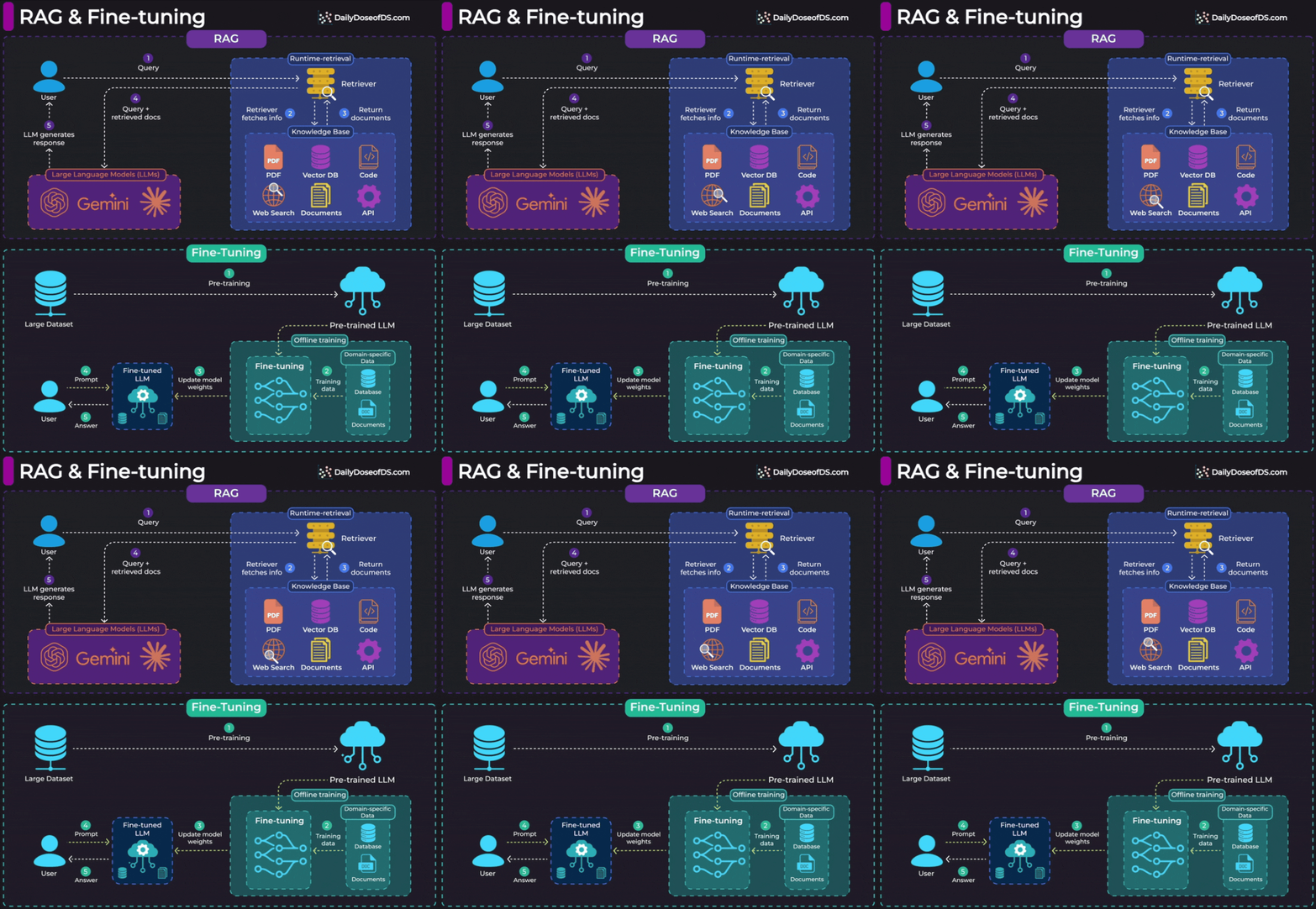
The program clarifies that RAG and fine-tuning are complementary tools solving different problems: RAG handles what information the model accesses at runtime, while fine-tuning changes how the model behaves by default, and production systems often need both.
What happened
MongoDB University launched AI Skill Badges, including three standout programs on auto-embedding, agentic memory, and semantic search with RAG (retrieval-augmented generation). The badges focus on production-grade systems, not abstract concepts.
Why it matters
Developers building real-world LLM applications rarely use models out of the box. The badges clarify that RAG and fine-tuning solve different problems—RAG answers "what should the model know" by retrieving external knowledge at runtime, while fine-tuning answers "how should the model behave" by updating model weights offline for tone, vocabulary, and reasoning patterns.
What to watch
Learning is free to start. The program covers RAG fundamentals, optimization, multimodal RAG, Graph RAG, and LLM fine-tuning techniques like LoRA and DoRA, with working implementations included.
Ask the AI about this article →
MongoDB and Voyage AI are addressing a real gap in LLM application development: most teams mistakenly treat RAG and fine-tuning as interchangeable, when in fact they solve fundamentally different problems. The new Skill Badges program tackles this confusion by grounding learning in working systems rather than abstract theory. The three standout badges—auto-embedding, agentic memory, and semantic search—directly target the overhead developers face: building vector embeddings inline without external pipelines, designing memory systems for AI agents, and constructing efficient retrieval pipelines that balance relevance against latency and cost.
The article makes clear that in production, these approaches are complementary layers. A customer support bot, for instance, might pull answers from documentation using RAG while responding in the brand's voice through fine-tuning. The program extends beyond the headline three to cover RAG evaluation and optimization, multimodal and graph-based retrieval variants, and fine-tuning techniques like LoRA and DoRA, signaling that the curriculum is aimed at practitioners building real systems rather than experimenters learning concepts.
For example, today's edition would include:
AI-summarized, only the topics you pick — one digest a day via Email, Slack, or Discord.
Free · takes 30 seconds · unsubscribe anytimeWhat is AIToday? →
Ask AI anything about this article. Q&As are published on this page for other readers too.
Google DeepMind chief Koray Kavukcuoglu said being at the frontier of AI is the only thing that matters to the…

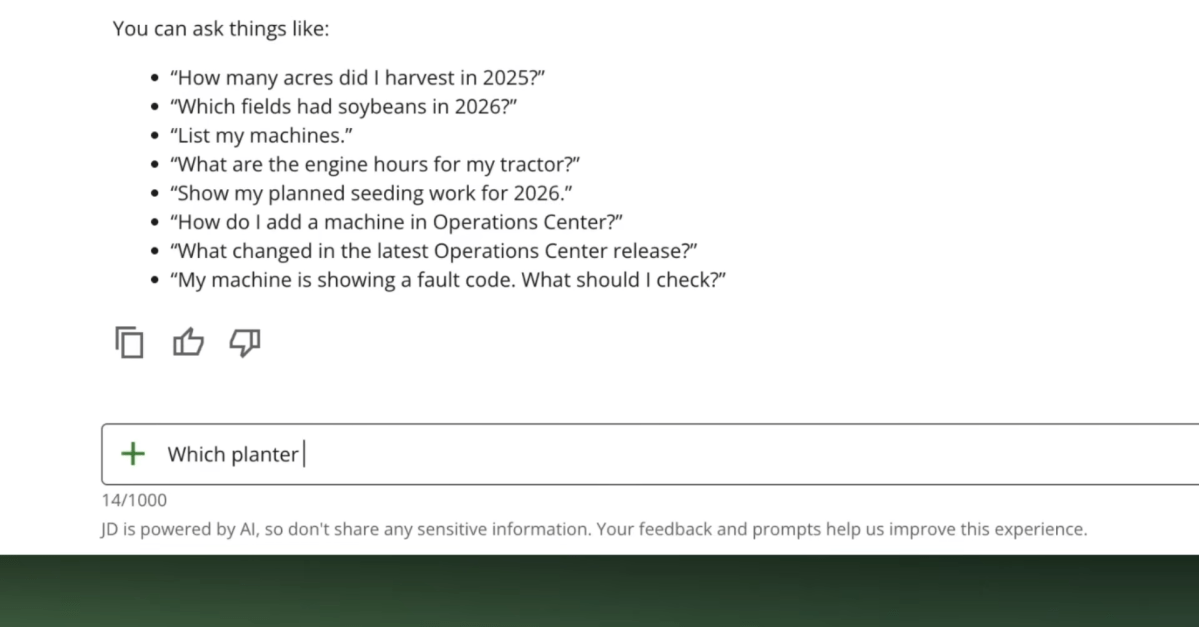
John Deere is testing an AI assistant called “JD” that answers farmers' questions on topics like equipment set…
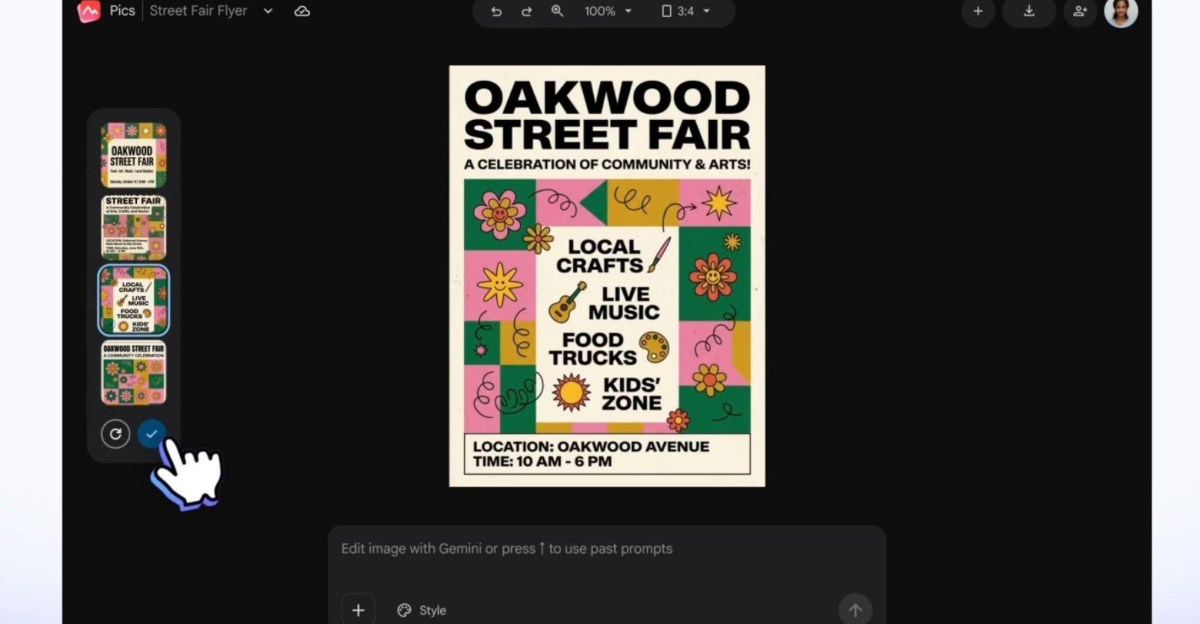
Google has launched Google Pics, a new suite of creative design tools for Workspace users, built around Gemini…
OpenAI said today that it is integrating ChatGPT Health with Epic's electronic health record (EHR) system, whi…
Google is launching Google Pics, an AI-powered image creation and editing tool that will be part of Google Wor…
Google DeepMind launched agentic video understanding across Gemini 3.7 Flash, 3.6 Flash, and 3.5 Flash-Lite