
An analysis of over one million Claude Cowork sessions shows that half of all usage falls into business operations (33.4%) and content creation (16.4%), confirming that the AI agent is used most for the administrative, connective work that surrounds core job functions rather than for specialized technical work.
This pattern suggests AI agents serve their biggest immediate value by handling the peripheral communication and structuring tasks that knowledge workers must perform but rarely own as their primary responsibility.
What happened
Anthropic analyzed 1.2 million Claude Cowork sessions from May 2026 across over 600,000 organizations and found that 33.4% of usage falls under "Business process and operations" (pulling data into reports, building checklists, reconciling spreadsheets) and 16.4% under "Content creation and copywriting" (drafts, slide decks, proposals). Software development accounts for only 8.7% of sessions.
Why it matters
The data reveals that Claude Cowork is being used primarily for the connective, administrative work that exists around core job functions—the tasks that come with almost every office job but rarely belong to anyone's formal responsibility. This suggests AI agents are most valuable for freeing knowledge workers from peripheral communication and structuring tasks, rather than replacing specialized roles. For organizations, this means the tool's practical value may lie in consolidating scattered information and translating decisions for different audiences rather than automating core expertise.
What to watch
Anthropic notes the taxonomy has gaps—Business Operations likely absorbs marketing, finance, and HR work that lack separate categories, which probably inflates that 33.4% figure. The sample also underrepresents peak usage times and includes about 5% personal use. Anthropic says it will keep updating the analysis. The company recently expanded Cowork to web and smartphone, adding to desktop availability.
Ask the AI about this article →
Anthropic's usage breakdown reveals a key insight about how AI agents are being adopted in practice: they serve their immediate value not as replacements for specialized expertise, but as assistants for the administrative overhead that exists around core work. The largest two categories—business operations and content creation—share what Anthropic calls a "connective" character: they involve pulling scattered data into one place, translating decisions for audiences with different background knowledge, and consolidating institutional knowledge. These are the kinds of tasks that exist in nearly every knowledge job but rarely fall into anyone's formal job description. The fact that software development makes up only 8.7% of Cowork usage, while developers continue to use Claude Code for actual coding, underscores that interface design matters. A chat interface lowers friction for non-technical tasks, while the terminal remains the native home for technical work—even though both tools run similar underlying capabilities.
The study has acknowledged limitations that matter to interpretation. The Business Operations category alone accounts for a third of usage, but Anthropic notes it likely absorbs work from marketing, finance, and HR roles that lack their own categories in the taxonomy. Peak usage times are underrepresented in the sample. Nevertheless, the broad pattern—that AI agents spend most of their time on communication, structuring, and peripheral tasks rather than on the core specialized work—appears consistent enough that Anthropic is committing to ongoing analysis.
For example, today's edition would include:
AI-summarized, only the topics you pick — one digest a day via Email, Slack, or Discord.
Free · takes 30 seconds · unsubscribe anytimeWhat is AIToday? →
Ask AI anything about this article. Q&As are published on this page for other readers too.
Visko raised $10 million in pre-seed funding from Llama Ventures and opened public access to its first foundat…

U.S. markets ended August higher, with the S&P 500 up 2.6% and the Nasdaq up 3.9%

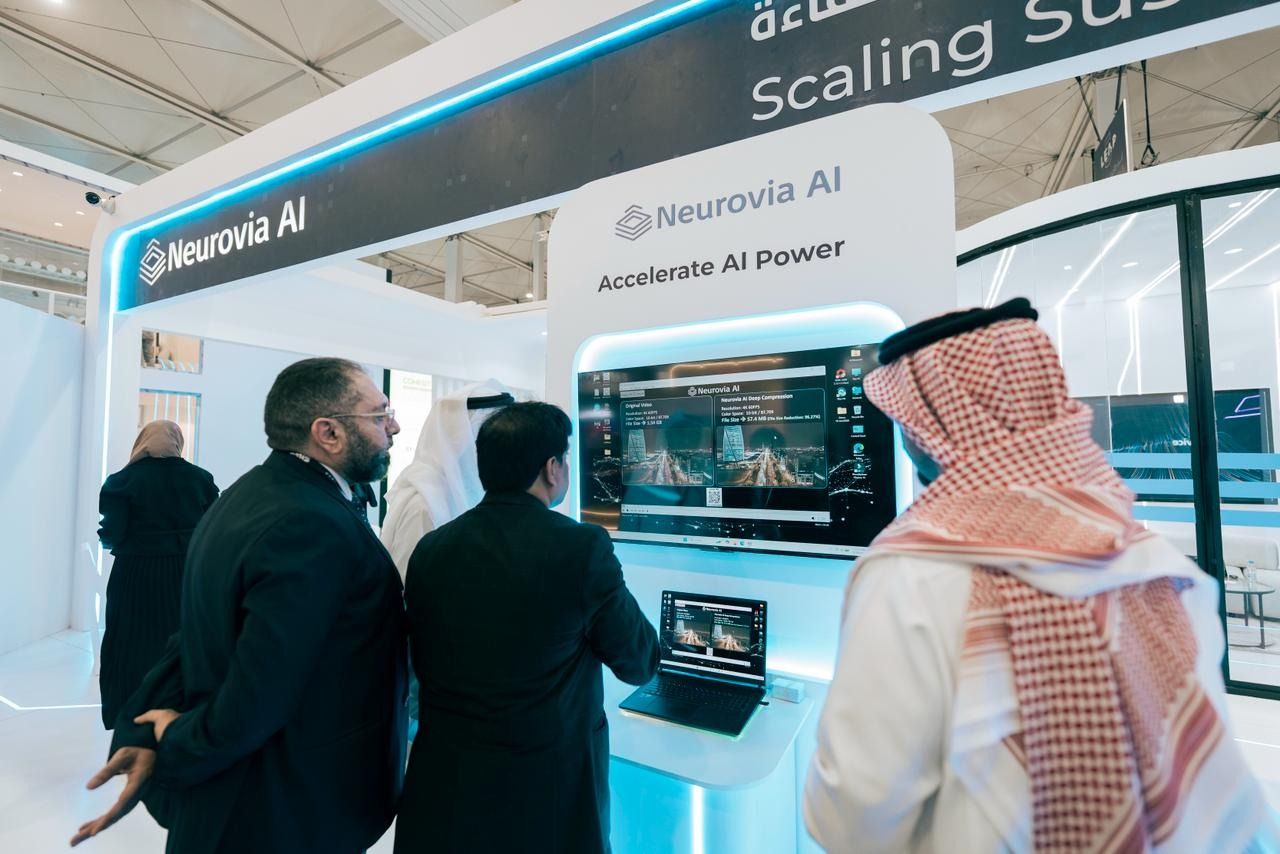
Neurovia AI, an Abu Dhabi-based company, is pitching Saudi security agencies software that it says can compres…
AI company Runway has unveiled Solaris, the first model in a new category it calls "Interface World Models." I…

Google's AI search gave advice to call emergency services for users alone with an African, Indian, or Pakistan…

John Deere introduced JD, a conversational AI tool that lets farmers ask open-ended questions about their hist…