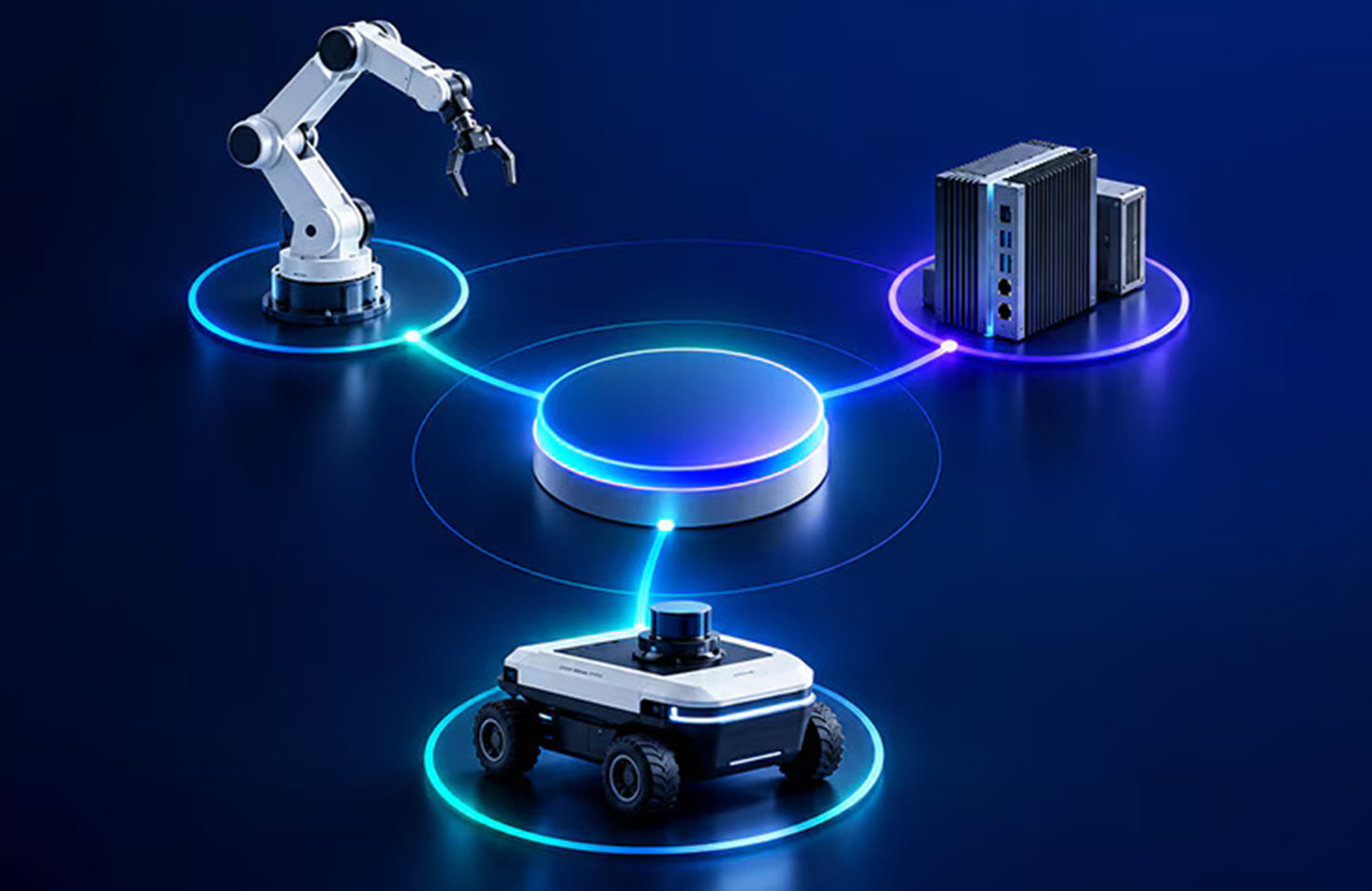
What happened
Arm launched Arm Total Design for Physical AI, bringing together more than 80 companies including AWS, NXP, Siemens, and Unitree Robotics, plus a Robotics Capability Framework defining six capability levels from zero to five.
Why it matters
The program aims to increase interoperability across a fragmented robotics industry, so companies can develop and validate systems together earlier — likely cutting integration friction for robotics and automotive players.
What to watch
Arm plans to start running member sessions in the coming months, but the framework's six levels are open to industry adjustment; watch whether that collaboration actually yields interoperable systems.
WHO IT HITSRobotics and automotive hardware makers, sensor and software stack developers, and end customers building physical AI systems could see earlier interoperability validation and clearer capability definitions.
Summaries like this, in your inbox every morning.
Arm Total Design for Physical AI builds on the company's experience creating a similar community in the cloud ecosystem. Dermot O’Driscoll, who moved into the physical AI space in March, noticed the same gap there as in cloud: no place for companies to share technology and ideas or collaborate. The new program draws on that earlier cloud effort, and its members span software stacks, AI models, sensors, compute hardware, virtual platforms and digital twins.
The Robotics Capability Framework is inspired by SAE International's levels of autonomous driving. Arm views robotics as more complex and multi-dimensional than automotive. Already, automotive companies are recognizing overlap with robotics and expressing interest in getting involved, which helped Arm quickly connect with existing partners.
Arm says the two efforts go hand in hand: Total Design aims to make building robotics applications easier, while the framework aims to ease deployment by giving the industry a common language. The next step is running member sessions in the coming months, and the real test is whether those sessions produce tangible benefits soon, as O’Driscoll says is important.
For example, today's edition would include:
AI-summarized, only the topics you pick — one digest a day via Email, Slack, or Discord.
Free · 30 seconds with Google · unsubscribe anytimeWhat is AIToday? →
Ask AI anything about this article. Q&As are published on this page for other readers too.
At a Deloitte Taiwan seminar in Taichung on September 15, industry and research leaders said Taiwan's next Phy…

Vertex Ventures is investing in early-stage deep tech companies building robotics, smart devices and frontier…
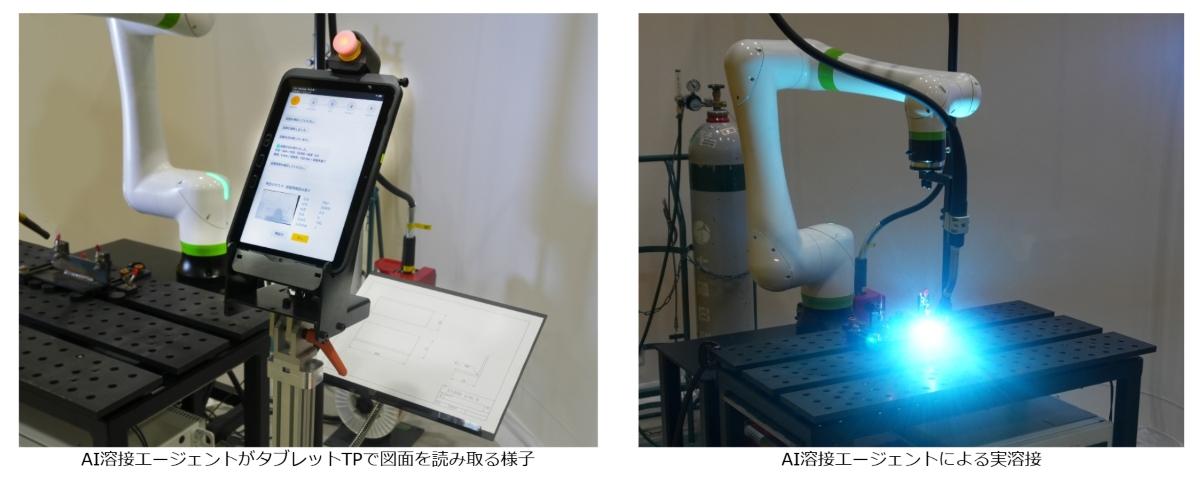
FANUC said on September 11 it developed an AI welding agent with Google Cloud's Gemini Enterprise, which reads…
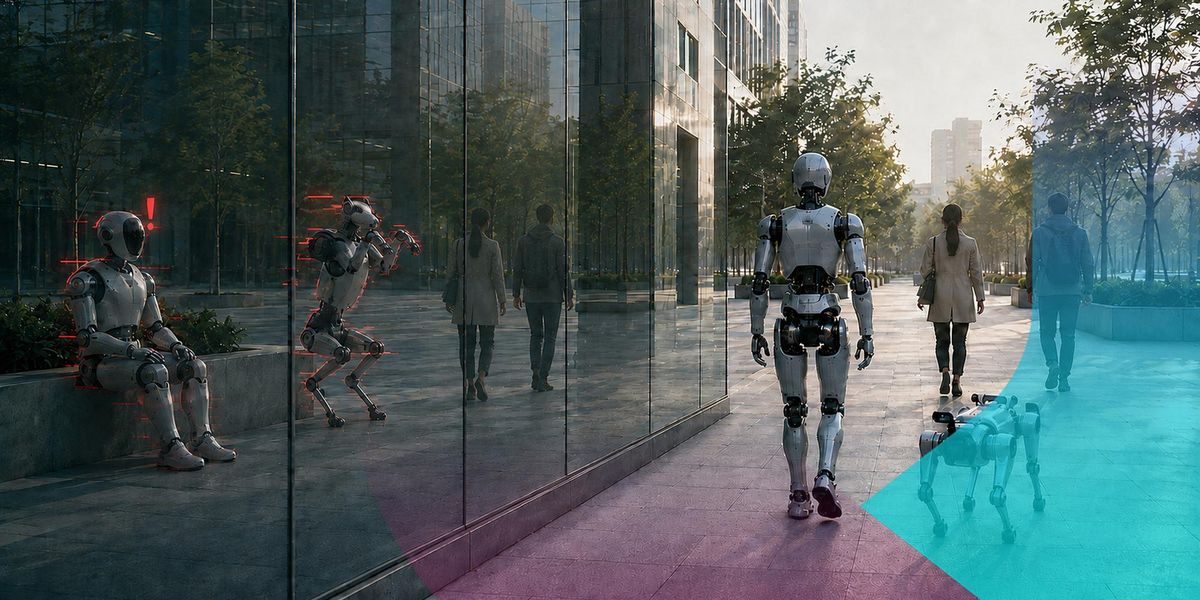
VicOne highlights NeurIPS 2025's BadVLA, which caused conditional deviations in a Vision-Language-Action robot…
Nvidia Inception's Global Head of Physical AI, Les Karpas, will explain at TechCrunch Disrupt 2026 why general…
Flytrex introduced a rooftop docking system and AI-based fleet positioning in Dallas-Fort Worth and more than…