What happened
In AI Nexus's 80-question test, TypeSafe Jev hit 96.2% accuracy at 255.2 ms average latency, while GPT-5 scored 91.2% at 4,221.5 ms.
Why it matters
The result suggests task-specific judgment models can be both more accurate and dramatically faster than general-purpose LLMs for classification work.
Summaries like this, every morning.
The comparison is built around a practical complaint: using a generative LLM such as GPT-5 for intent classification means waiting seconds for a response and then handling format breaks and prompt-injection risks. AI Nexus's answer is to split the work—route simple choice-and-triage tasks to judgment-specialized System One models and reserve generative LLMs for cases that need free-form reasoning.
The 80-question set is divided into four categories of 20: typical clear cases, overlapping intents, sarcasm and indirect phrasing, and adversarial attacks. That breakdown explains why the overall numbers differ from the category scores: GPT-5 and GPT-5-mini both hit 100% on typical clear cases, while Jev's edge comes from consistent performance across the harder categories. On adversarial inputs, Decision-1 reached 100% and Jev 95.0%, whereas GPT-5 and GPT-5-mini each scored 80.0%—and Azure's jailbreak filter caused HTTP 400 crashes on those same tests, a failure mode the specialized models avoid because they do not generate free text.
The practical takeaway from the benchmark is a routing pattern rather than a single winner. Because System One models return a probability distribution, teams can watch the top-two margin and hold low-confidence cases for a human or a downstream model. A threshold of margin < 0.25 for fallback is a way to cut misclassification risk while keeping fast, cheap triage on the front line.
Pick your industry and the AI tools you use, and get news related to your work every day.
Free · 30 seconds with Google · unsubscribe anytimeWhat is AIToday? →
Ask AI anything about this article. The AI reads this article, earlier AIToday articles, and Wikipedia, and cites its sources. Q&As are published on this page for other readers too.
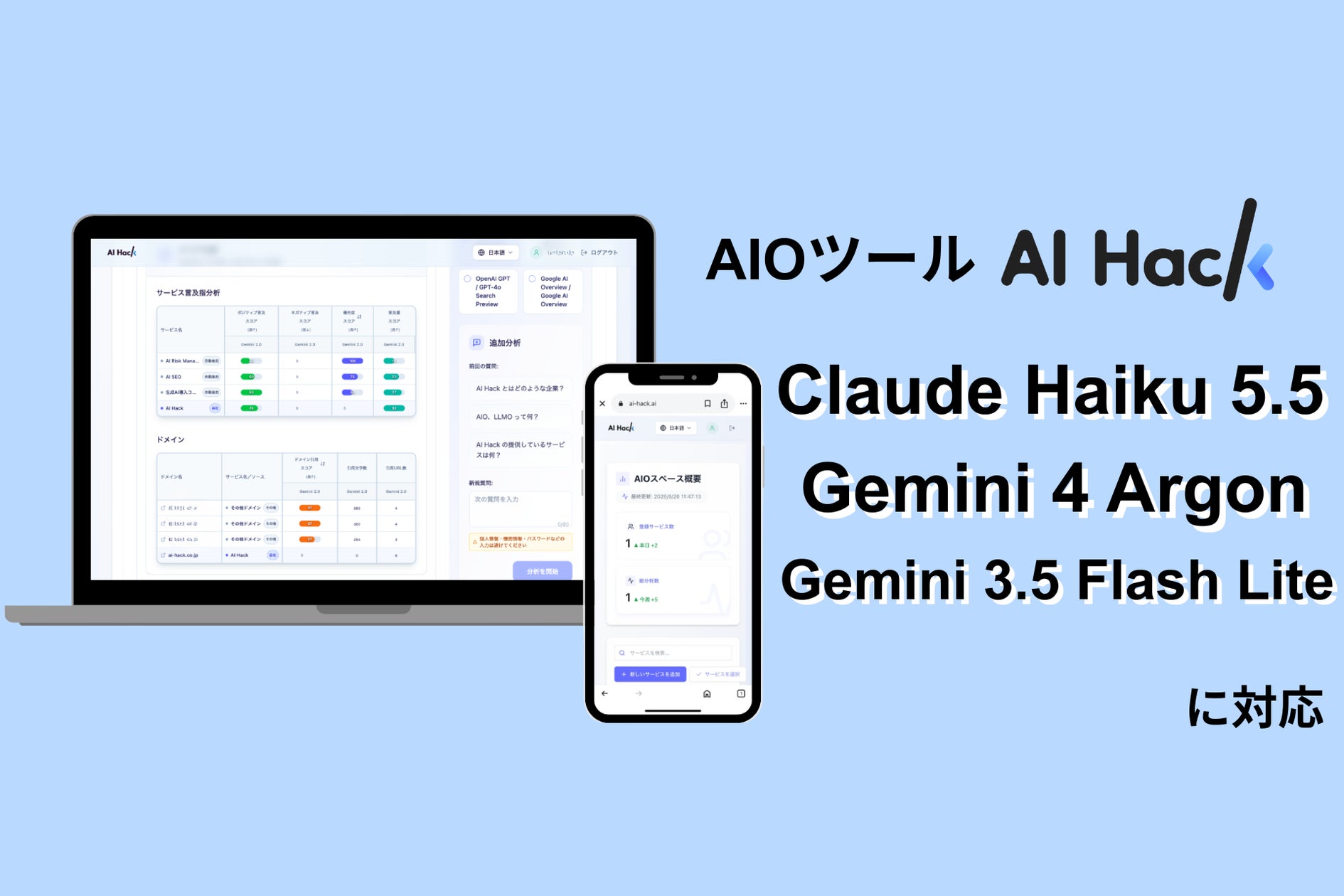
AI Hack completed support for Claude Haiku 5.5, Gemini 4 Argon and Gemini 3.5 Flash Lite in its AIO analysis t…
Ippu Senkin began offering Local AI Agent for Security, which runs on its Local AI Agent platform

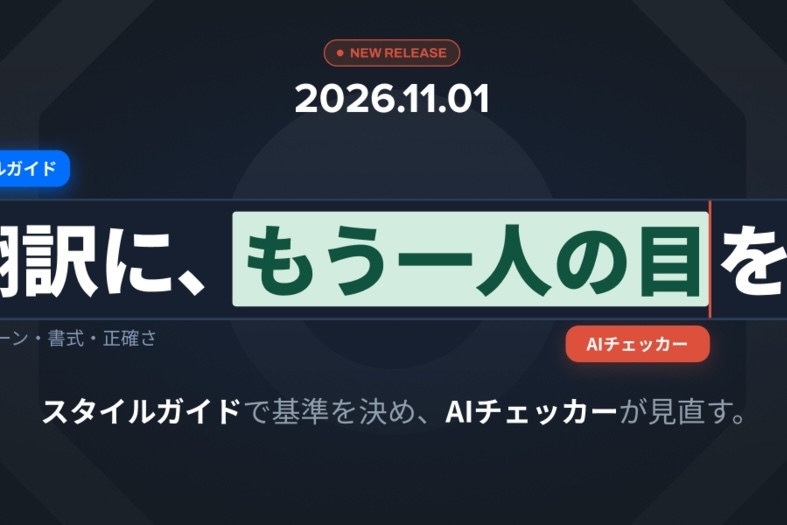
Yaraku will update "Yaraku Translation" to Ver.6.1 on November 1, adding an "AI Checker" that fixes number err…
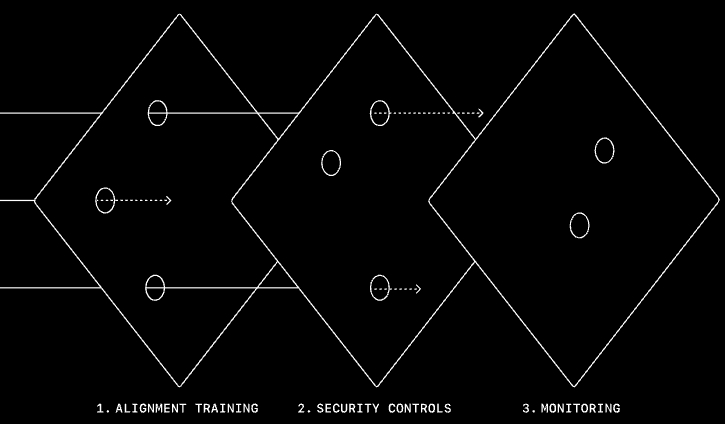
OpenAI expanded a four-layer monitoring system and said replaying the Hugging Face incident showed a warning c…
SBI損保 and Marubeni Information Systems will fully roll out MSYS Omnis across 80 seats at the contact center an…
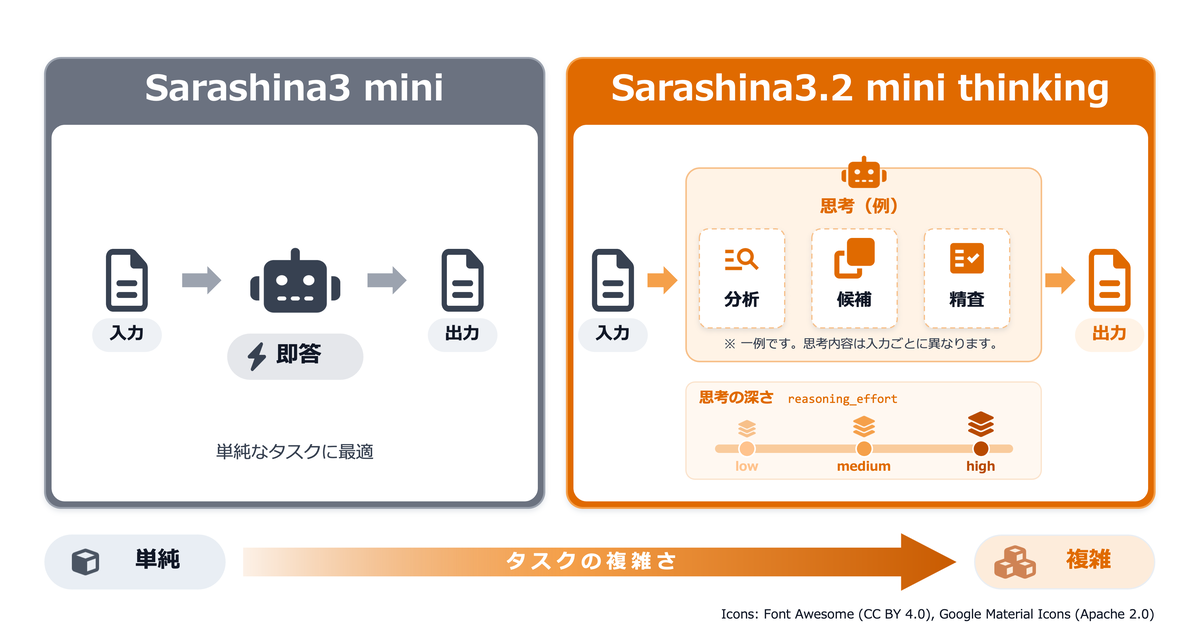
SB Intuitions announced Sarashina3.2 mini thinking, the Sarashina series' first thinking model, available via…