What happened
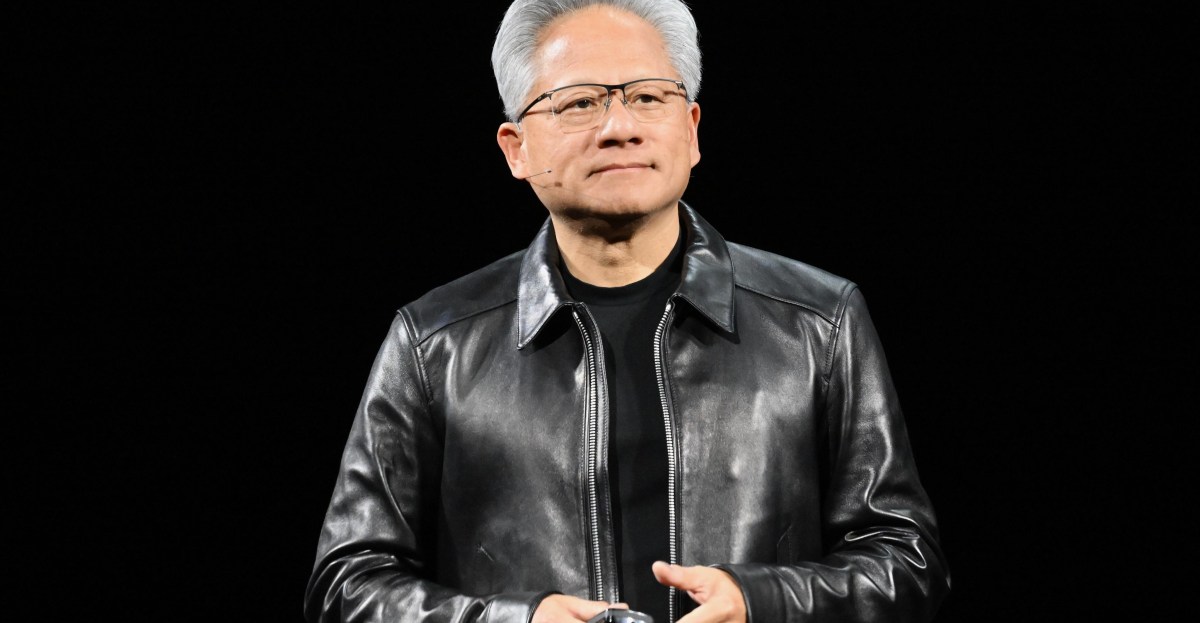
Nvidia announced on November 12th that Jensen Huang had resigned as CEO, following reports he was the target of a Chinese spy plot and his admission of multiple extramarital affairs.
Why it matters
Huang's departure leaves Nvidia without the only CEO it has ever known and with no clear succession plan, while the company's board investigates the matter and CFO Colette Kress serves as interim CEO.
Summaries like this, every morning.
The scandal escalated quickly after The New York Times reported on October 29th that Jensen Huang appeared to be the target of a Chinese spy plot involving Alice Huang, an executive at Singapore-based Megaspeed. Megaspeed had been under investigation by the US Commerce Department over suspicions of illegally smuggling Nvidia's AI chips into China, and Alice Huang had been on the American government's radar since perhaps as early as 2024. Nvidia's chips are considered crucial to America's AI superiority and a matter of national security, and the government has restricted sales of its most advanced chips to China since the Biden administration.
Jensen Huang had routinely pushed to loosen those trade restrictions and had developed a close relationship with President Trump. Then on November 6th, the Times reported that Alice Huang was specifically recruited by China's Ministry of State Security to spy on Nvidia's CEO, though US intelligence officials disagreed over the strength of evidence. On November 8th, Jensen Huang admitted to an extramarital affair, and the board announced an investigation. Many believed he would survive, given his central role and the lack of a succession plan. But on November 11th, the Times reported a second affair with Kimberly Powell, Nvidia's vice president of health care, and the board was ready to push him out. He resigned the next day.
The fallout is already significant. CFO Colette Kress was named interim CEO and acknowledged an "extraordinarily difficult period," while Harvey Jones became the first board chair in Nvidia's history, signaling structural changes. The board's investigation continues, and the company may face tougher scrutiny from the incoming Democratic majority, which could lead to stricter trade restrictions or even criminal charges if Nvidia is found to have turned a blind eye to chip diversion. How this affects the broader AI industry and the American economy remains an open question, given Nvidia's sizable investments and central role.
Pick your industry and the AI tools you use, and get news related to your work every day.
Free · 30 seconds with Google · unsubscribe anytimeWhat is AIToday? →
Ask AI anything about this article. The AI reads this article, earlier AIToday articles, and Wikipedia, and cites its sources. Q&As are published on this page for other readers too.
Microsoft hosts Ignite from Nov
Tesla is shifting scarce factory capacity, capital, and engineering resources from the Cybertruck to the simpl…
Serve Robotics launched the AV Delivery Developer Portal, including a public API and sandbox, letting anyone d…

Physicl raised $10 million in seed funding led by Inovia Capital, with US Venture Partners participating, and…

Zacua Ventures closed its second fund at $135 million, more than doubling its first $56 million fund, with Fun…

IREN stock has lost 63% in the past year and sits 74% below its June intraday high, even as AI Cloud revenue n…