What happened
Tesla is shifting scarce factory capacity, capital, and engineering resources from the Cybertruck to the simpler, higher-priority Cybercab, a two-seater robotaxi already in production in Texas. Cybertruck production locks up a line with roughly 125,000 units/year capacity against ~20,000 U.S. sales in 2025.
Why it matters
Musk framed the move as opportunity cost rather than pure unprofitability—the complexity of continuing Cybertruck is outweighed by the value of incremental Cybercab output, supporting Tesla's shift toward high-utilization autonomy services and robotics.
Summaries like this, every morning.
Tesla's decision to end Cybertruck production reflects a broader pattern at the company: earlier decisions to end Model S/X production to free space for Optimus show a willingness to reallocate already-debugged factory capacity rather than build parallel capacity for lower-priority products. Gigafactory Texas has finite floor space, specialized equipment, labor, and engineering bandwidth, and building additional factory space for both products is not a simple alternative.
The Cybertruck line's complexity makes the trade-off especially clear. The vehicle locks up a line with installed capacity well above actual demand—roughly 125,000 units/year capacity versus ~20,000 U.S. sales in 2025 and ~70,000 total since late 2023, far short of the earlier 250,000/year target. Musk explicitly framed the move as opportunity cost rather than pure unprofitability, saying the complexity of continuing Cybertruck is outweighed by the value of incremental Cybercab production.
The Cybercab, a two-seater purpose-built robotaxi with no steering wheel or pedals, is already being produced in Texas and deployed in Tesla's Austin robotaxi fleet. The shift supports the company's broader move toward high-utilization autonomy services and robotics, a strategic priority that now takes precedence over the complex, lower-volume Cybertruck.
Pick your industry and the AI tools you use, and get news related to your work every day.
Free · 30 seconds with Google · unsubscribe anytimeWhat is AIToday? →
Ask AI anything about this article. The AI reads this article, earlier AIToday articles, and Wikipedia, and cites its sources. Q&As are published on this page for other readers too.
Microsoft hosts Ignite from Nov

Serve Robotics launched the AV Delivery Developer Portal, including a public API and sandbox, letting anyone d…
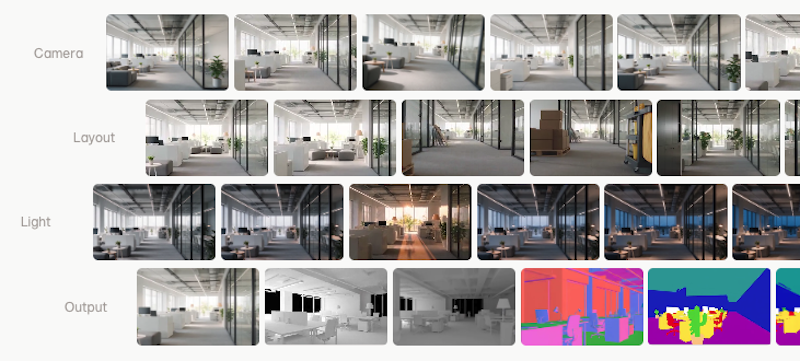
Physicl raised $10 million in seed funding led by Inovia Capital, with US Venture Partners participating, and…
Zacua Ventures closed its second fund at $135 million, more than doubling its first $56 million fund, with Fun…
Nvidia announced on November 12th that Jensen Huang had resigned as CEO, following reports he was the target o…
IREN stock has lost 63% in the past year and sits 74% below its June intraday high, even as AI Cloud revenue n…