
What happened
An RBA analysis by Mike Major found job postings fell across all groups since ChatGPT launched in late 2022, with the steepest drop in the highest-exposure occupations.
Why it matters
Major cautions the study shows only theoretical exposure, not actual company use, so the decline may partly reflect post-pandemic business-cycle or remote-work shifts.
WHO IT HITSPolicymakers and labor-market analysts watching entry-level hiring in programming, clerical work and customer service may treat this as an early signal, though Major warns it does not establish causation.
Summaries like this, every morning.
The RBA analysis sits within a growing body of research trying to isolate AI's effect on hiring, and the results are mixed. An August 2025 Stanford study based on millions of US payroll records found employment among 22- to 25-year-olds in AI-exposed occupations down 13 percent in relative terms since late 2022, and nearly 20 percent among young software developers, while more experienced workers held steady or gained. A March 2026 Anthropic study also found declining hiring among 22- to 25-year-olds, with job-finding rates down about 14 percent, though it found no systematic rise in overall unemployment.
Anthropic's own internal review offers a company-level example: the share of junior hires in technical roles has fallen from 27 percent to 9 percent since early 2025, and in August 2026 AI agents across the company were logging six times as many hours as human employees. Anthropic concedes it is an extremely AI-intensive software company and a special case, but researchers warn of a "tragedy of the cognitive commons" if disappearing junior roles lead to a future shortage of experienced professionals.
Other evidence complicates the picture. A study of 25,000 workers in Denmark found no measurable changes in wages or hours despite a 64 percent AI adoption rate, with workers saving just 2.8 percent of their working time. A January 2026 analysis of 10.6 million LinkedIn profiles led by Morgan Frank at the University of Pittsburgh found the problems in exposed occupations started in early 2022, months before ChatGPT launched, suggesting macroeconomic factors like the Fed's interest-rate shift or a correction after pandemic-era hiring surges may play a bigger role. Meanwhile, the World Economic Forum's "Future of Jobs Report 2025" projects a net gain of 78 million jobs by 2030, with 77 percent of surveyed companies prioritizing upskilling over job cuts.
Pick your industry and the AI tools you use, and get news related to your work every day.
Free · 30 seconds with Google · unsubscribe anytimeWhat is AIToday? →
Ask AI anything about this article. The AI reads this article, earlier AIToday articles, and Wikipedia, and cites its sources. Q&As are published on this page for other readers too.
Microsoft hosts Ignite from Nov

Tesla is shifting scarce factory capacity, capital, and engineering resources from the Cybertruck to the simpl…

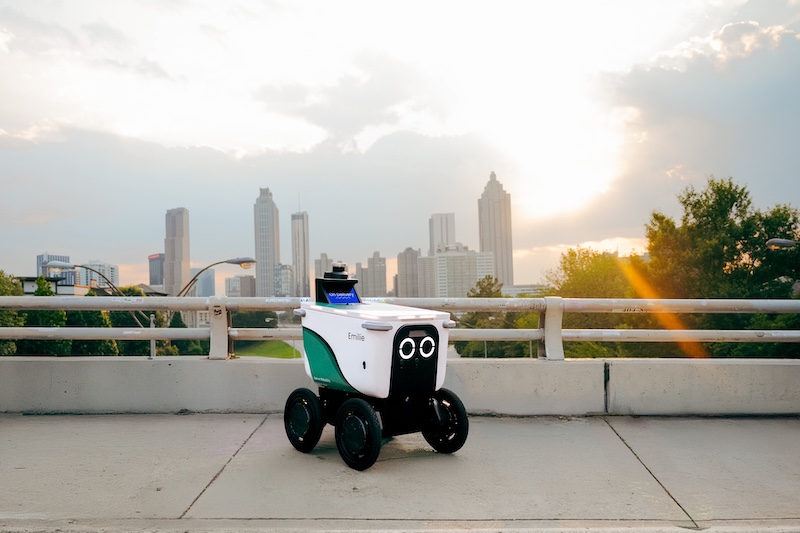
Serve Robotics launched the AV Delivery Developer Portal, including a public API and sandbox, letting anyone d…
Physicl raised $10 million in seed funding led by Inovia Capital, with US Venture Partners participating, and…

Zacua Ventures closed its second fund at $135 million, more than doubling its first $56 million fund, with Fun…

PostgreSQL 19 RC2 was published on November 12, after beta 4 in late September reverted features including SQL…