What happened
SAG-AFTRA's Duncan Crabtree Ireland told The Verge that the union bargained enforceable guardrails requiring studios to get permission and pay actors for AI replicas, while WGAE's Sam Wheeler said the WGA spent 148 days on strike in 2023 to win writer safeguards.
Why it matters
Crabtree-Ireland believes studios' economic incentive to replace human performances would have been much stronger without those rules, so entertainment workers might be in a more dire position now had the protections not been codified.
What to watch
Crabtree-Ireland is unsure what to trust after former Anthropic researcher Jacob Coxon quit to warn about AI, and Wheeler says collective bargaining is not a replacement for government regulation — so the test is whether states like New York keep enacting rules without federal action.
WHO IT HITSHollywood actors, writers, and the studios bound by union contracts face clearer AI replica rules, while state policymakers may face continued pressure to act where federal regulation stalls.
Summaries like this, in your inbox every morning.
The entertainment industry's AI debate has run on a separate track from the existential-risk alarms coming out of the tech sector. The Verge reached out to Disney, Netflix, Amazon, Lionsgate, and other studios using AI, as well as film startups, for their reaction to recent warnings — none responded. The unions did, and their answer was to redirect attention to what they see as concrete, present-day harms: disempowered workers, a degraded internet, disinformation, and rising energy costs.
The context for that stance is a bargaining history the body lays out directly. SAG-AFTRA and the Writers Guild fought over AI during the 2023 strikes, with WGA members spending 148 days on strike before studios agreed to safeguards for writers. Crabtree-Ireland says that fight mattered because if the principle of requiring permission and compensation for AI replicas had not been established, the incentive to replace human performances would have been much stronger. Wheeler draws a different line: collective bargaining, in his view, is not a substitute for government regulation, and he credits states like New York for acting without federal action.
What the body leaves open is whether those union guardrails can reach the companies driving the loudest AI warnings — Crabtree-Ireland notes they cover entertainment employers, not OpenAI, Anthropic, or Google directly. Whether the unions' focus on current harms gains traction likely hinges on how the public weighs their warnings against the doomerism that Crabtree-Ireland says has become a way for AI companies to generate buzz — especially after Coxon's exit, which he says achieved traction but left him unsure what to believe.
For example, today's edition would include:
AI-summarized, only the topics you pick — one digest a day via Email, Slack, or Discord.
Free · 30 seconds with Google · unsubscribe anytimeWhat is AIToday? →
Ask AI anything about this article. Q&As are published on this page for other readers too.
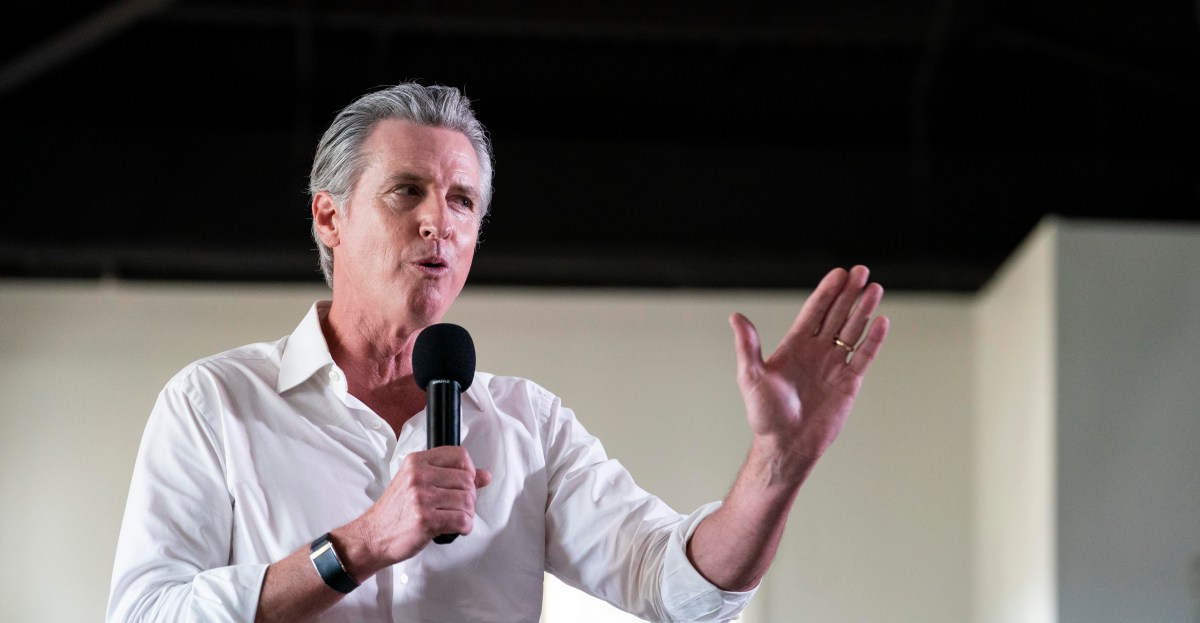
California Governor Gavin Newsom issued an executive order to tighten oversight of AI developers in the state…
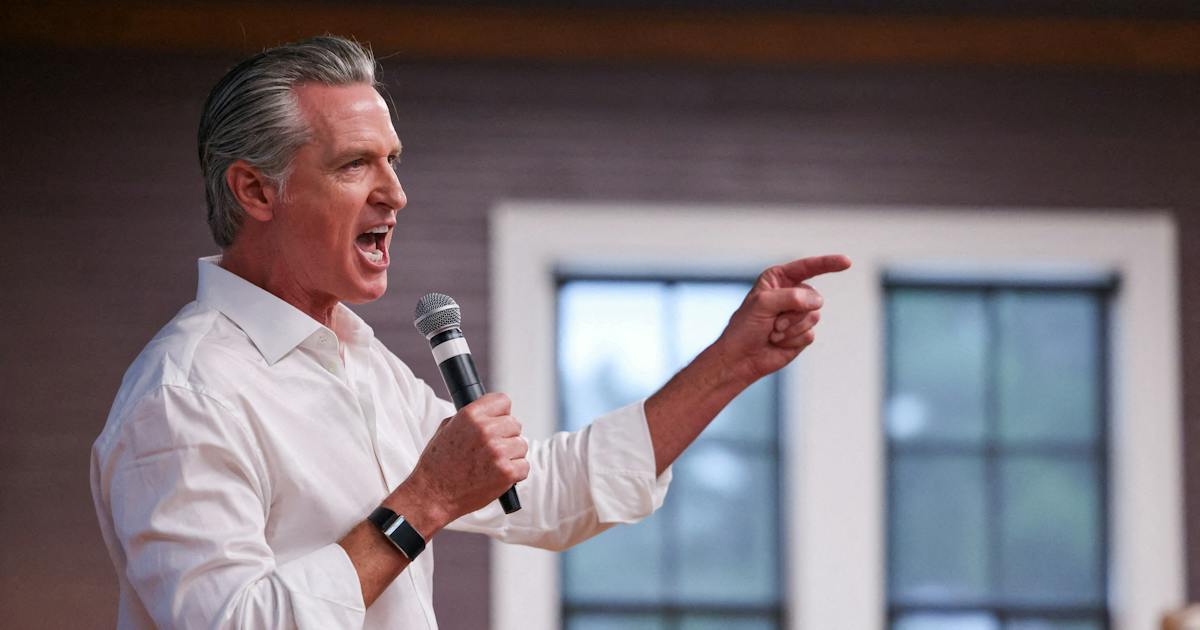
The FAA awarded an $875 million, 12-year contract to Air Space Intelligence in June for SMART, an AI tool to h…
On Wednesday, US government officials removed a Chinese Alibaba Qwen AI search tool from the Federal Register…
At an AI leaders' conference at Dumfries House in Scotland on September 17, 2026, King Charles III urged execu…

Governor Gavin Newsom signed an executive order seeking faster independent oversight of AI companies and a "ki…

Gavin Newsom issued an executive order convening experts to recommend, within two months, whether to require a…