What happened
Johnson & Johnson reported Q2 2026 sales of US$25.3bn, up 6.6%, and raised its full-year guidance to US$101.1bn—putting it on track to exceed US$100bn in annual revenue for the first time. Separately, Eli Lilly agreed to acquire AtaiBeckley for up to US$3.8bn, marking its entry into psychedelic-based drug discovery for treatment-resistant depression. Bristol Myers Squibb is deploying a second NVIDIA-powered AI system that will deliver up to ten times greater performance per megawatt than its predecessor, positioning it as the life sciences industry's most powerful privately owned AI infrastructure.
Why it matters
J&J's guidance upgrade underscores sustained momentum in its core pharmaceutical and medical device businesses at a scale few companies match. Eli Lilly's psychedelic bet signals confidence that novel mechanisms can address treatment-resistant depression, a condition that persists even after multiple standard therapies fail. BMS's AI infrastructure expansion directly supports drug discovery—a bottleneck in pharmaceutical R&D where computational power and efficiency are now central competitive levers.
What to watch
J&J's progress toward the US$100bn revenue threshold across 2026; whether AtaiBeckley's investigational psychedelic therapies advance through clinical development; and whether BMS's tenfold efficiency gain translates to faster candidate identification or reduced discovery timelines.
Summaries like this, in your inbox every morning.
Pharma's largest players are responding to mounting R&D pressures through parallel strategies: consolidating market position via pricing and portfolio breadth, exploring emerging science in adjacent therapeutic areas, and automating discovery through AI infrastructure. J&J's guidance lift—modest on a percentage basis—matters because it anchors a US$100bn milestone in absolute terms, reflecting the scale concentration in the industry. Eli Lilly's US$3.8bn outlay on psychedelic-assisted treatment represents a calculated bet on a mechanism class still early in clinical validation; the company frames it as addressing an unmet need (millions with treatment-resistant depression searching for relief), but the risk lies in whether early-stage investigational therapies will survive phase-level development. BMS's infrastructure investment signals that computational efficiency is now a first-order competitive variable—tenfold performance-per-megawatt gains translate directly to cost per candidate or throughput per unit energy, altering the unit economics of discovery.
For example, today's edition would include:
AI-summarized, only the topics you pick — one digest a day via Email, LINE, or Slack.
Free · 30 seconds with Google · unsubscribe anytimeWhat is AIToday? →
Ask AI anything about this article. Q&As are published on this page for other readers too.
AbbVie entered a multi-year collaboration with Iambic to apply the Enchant and NeuralPLexer AI models to small…

Intel shares jumped about 10% on Monday, as Melius Research initiated a Buy rating, Tigress Financial raised i…

Sandisk customers are expanding multi-year commitments as inference requirements rise, strengthening the signa…
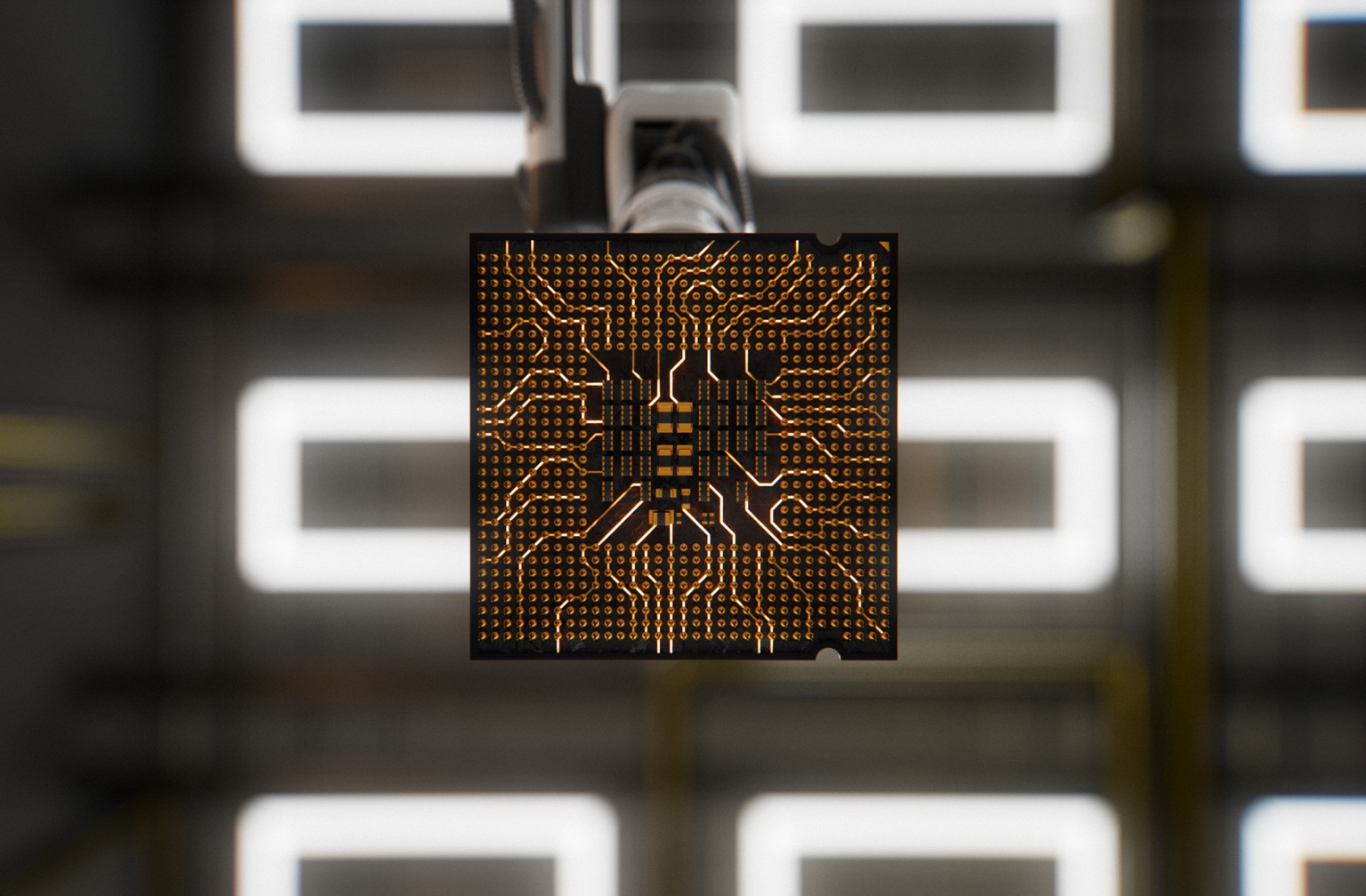
AbbVie and Iambic announced a multi-year collaboration to accelerate small molecule drug discovery across immu…

Morgan Stanley's Adam Jonas said the two companies "share tech, talent, and infrastructure," citing 71 Tesla r…

Dell said it booked a record $60.9 billion in AI-server orders and $16.4 billion in AI-server revenues in the…