What happened
Kling AI released Kling 4.0, supporting up to 30 seconds per generation, ten keyframe inputs, 8,000-token prompts, and two-channel stereo audio with lip sync in more than ten languages.
Why it matters
The longer clips and multilingual audio reduce the need for stitching and separate voice work, which could make AI-generated video more usable for professional workflows.
WHO IT HITSVideo creators, editors, and localization teams who currently stitch short clips and record voiceovers separately could produce longer, multilingual segments in fewer steps.
Summaries like this, every morning.
Kling AI's 4.0 update arrives with a set of input and output limits that are markedly higher than what the company previously offered, though it does not frame the release as a direct comparison. The system now accepts up to ten keyframe images to pin down scene transitions and story beats, and its prompt comprehension has been expanded to 8,000 tokens. The upgraded "Omni Reference" system goes further, accepting up to 15 reference assets in a single generation, including up to 10 images, 5 videos with a combined maximum of 30 seconds, and 7 elements. Kling AI says storyboards, wireframes, image grids, white-model videos, and depth-map videos all work as references.
A separate "Creative Recreation" feature lets users take existing videos as templates and swap out products or characters. According to the company, individual elements like facial expressions, body movements, camera angles, or backgrounds can be tweaked without affecting the rest of the clip. The update also adds two-channel stereo audio and improved lip sync across more than ten languages, including German, English, Japanese, Korean, and Spanish, along with various dialects and accents. In-video text generation now works in multiple languages too and stays stable during camera movements.
Alongside the main model, Kling AI is shipping a lighter Flash variant designed for faster generation at lower cost, though it tops out at 720p and 20 seconds of video. The creation interface has been redesigned, and Kling 4.0 can now be accessed through MCP and CLI, which makes it possible to build automated workflows with AI agents. Pricing for the Kling 4.0 API hasn't been announced yet, with support listed as "coming soon."
Pick your industry and the AI tools you use, and get news related to your work every day.
Free · 30 seconds with Google · unsubscribe anytimeWhat is AIToday? →
Ask AI anything about this article. The AI reads this article, earlier AIToday articles, and Wikipedia, and cites its sources. Q&As are published on this page for other readers too.
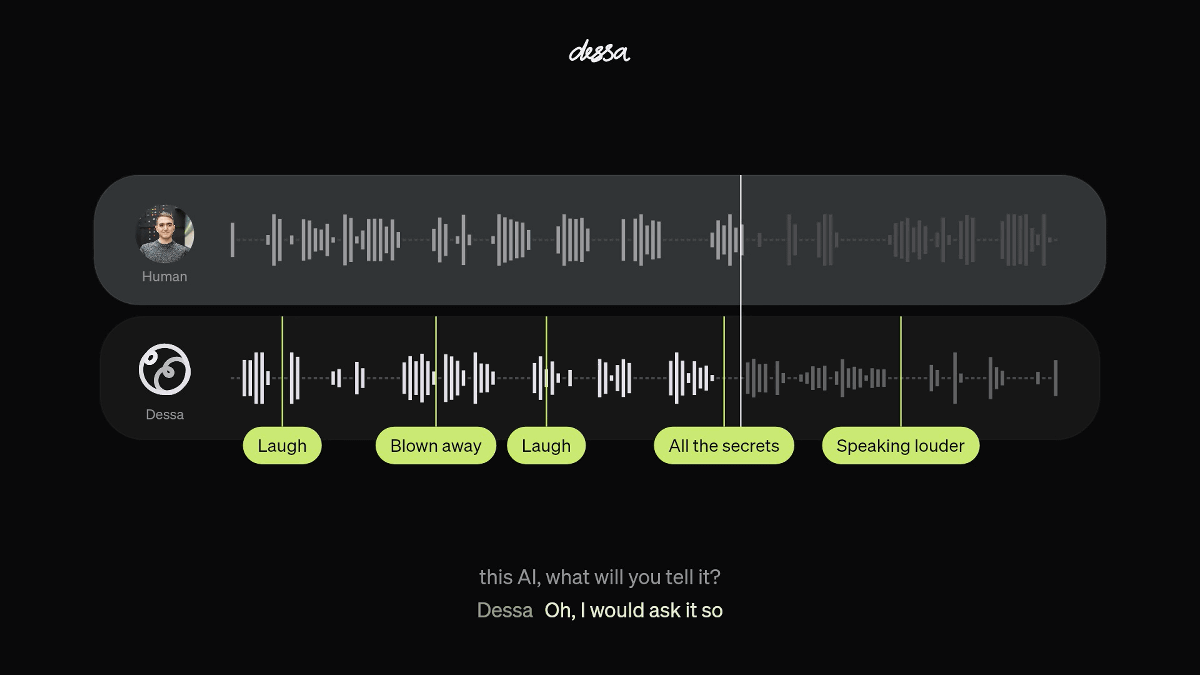
Jack Dorsey's Block released Dessa, a full-duplex voice model trained fully on human speech and a single Nvidi…

Kreta's ARES packs an 8MP wide-angle camera shooting 3264×2448 photos and 2112×1568 video at 30fps, plus an AI…

Entravision expanded Coyotec, its AI cohost on José 97.5 FM's Al Aire y Sin Permiso, from a September 2025 wee…

A writer published step-by-step Windows 11 instructions for running EleutherAI's Aria, a piano-MIDI generation…

In an Android app built with Capacitor, the speech button failed every other press with a "Didn't understand…
Block announced Dessa, which its team calls the world's first AI trained only on human speech audio, skipping…