
What happened
Snowflake announced general availability of a redesigned Observe MCP (model context protocol) server and a new Observe CLI with full parity, allowing AI agents and engineers to query observability data directly through APIs, MCP, and command-line interfaces instead of only through the UI. General availability is rolling out now across all clusters, with eu-2 and ca-1 regions to follow shortly.
Why it matters
Observability platforms now must serve both humans and AI agents reading telemetry data. The redesigned architecture removes an intermediate LLM layer, cutting latency and cost by routing agents directly to Observe's APIs and data structures. Engineers are already using these tools to build custom alert-triage agents that query production telemetry automatically and copilots for incident investigations.
What to watch
Both the CLI and MCP server ship with prebuilt skills—structured workflows for common tasks like investigating incidents, tracing failures, validating changes, and detecting outliers—that work immediately after configuration for both agents and humans.
Summaries like this, in your inbox every morning.
Observability data has historically been designed for human operators reading dashboards and logs. As AI agents become primary consumers of telemetry—coding assistants investigating errors, AI SREs correlating failures across services—observability platforms must expose their data through machine-readable interfaces, not just UIs. Snowflake's redesigned Observe server addresses this shift by removing the bottleneck of an embedded LLM intermediary that used to interpret agent queries. That intermediary added latency and cost; by giving agents direct access to Observe's APIs and context graph (the same APIs that power the frontend), the new architecture lets agents fetch exactly the data sets they need and write efficient queries without human translation. The prebuilt skills—workflows for incident investigation, failure tracing, and outlier detection—lower the barrier to entry: engineers don't have to build custom integrations from scratch; agents can run these routines immediately. This aligns with how observability is increasingly treated as a data problem that many tools in a developer's stack need to solve.
Pick your industry and the AI tools you use, and get news related to your work every day.
Free · 30 seconds with Google · unsubscribe anytimeWhat is AIToday? →
Ask AI anything about this article. The AI reads this article, earlier AIToday articles, and Wikipedia, and cites its sources. Q&As are published on this page for other readers too.
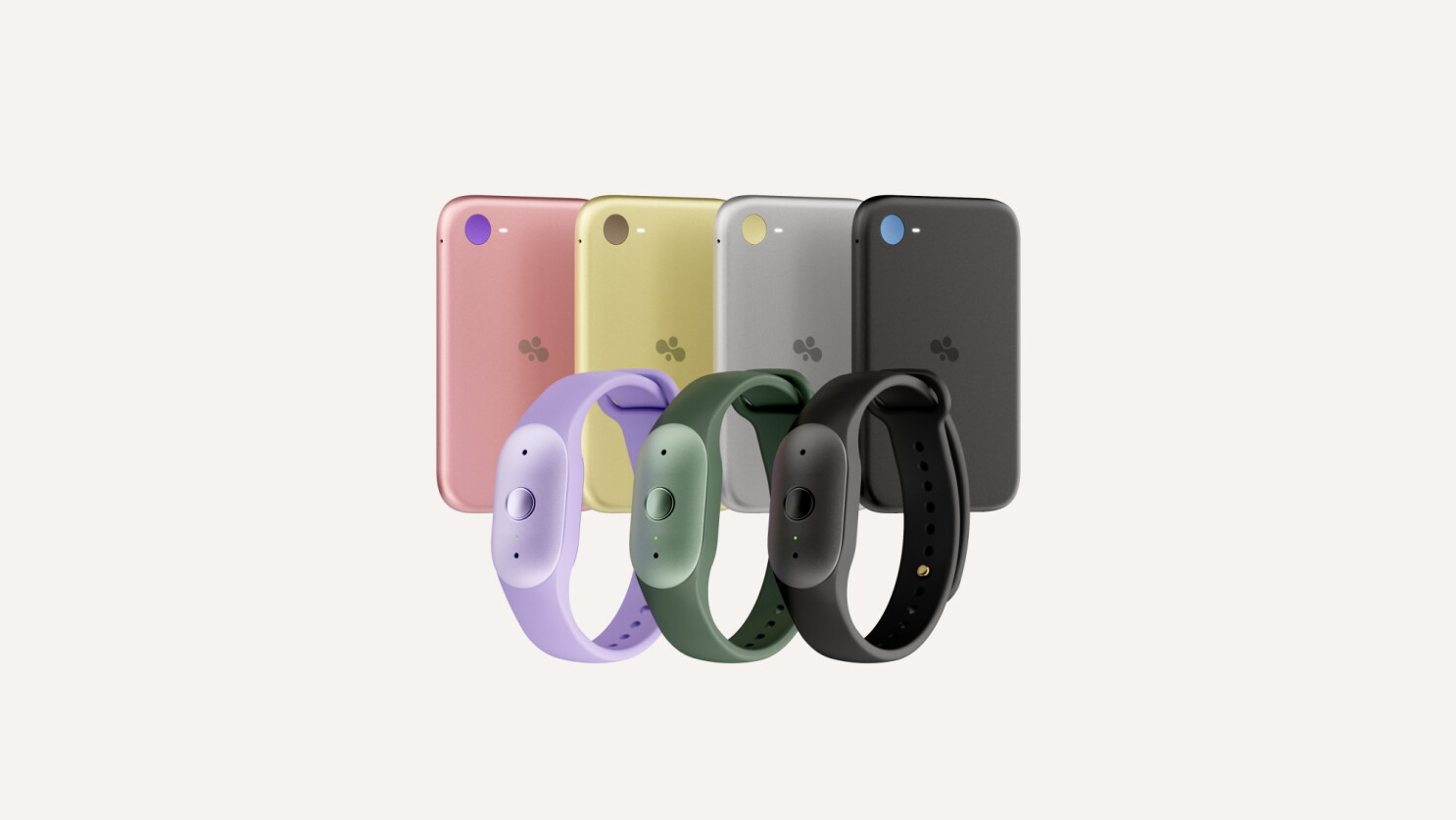
Amazon introduced Bee Frontier, a wearable personal AI, for $74.99 in Onyx, Lavender and Sage, and Bee Eclipse…
Citi has become the latest US bank to restrict AI agents from accessing accounts, per the Financial Times

Aparna Nair, IBM's chief talent, leadership, and culture officer, said generalists alone "will cut it" in the…
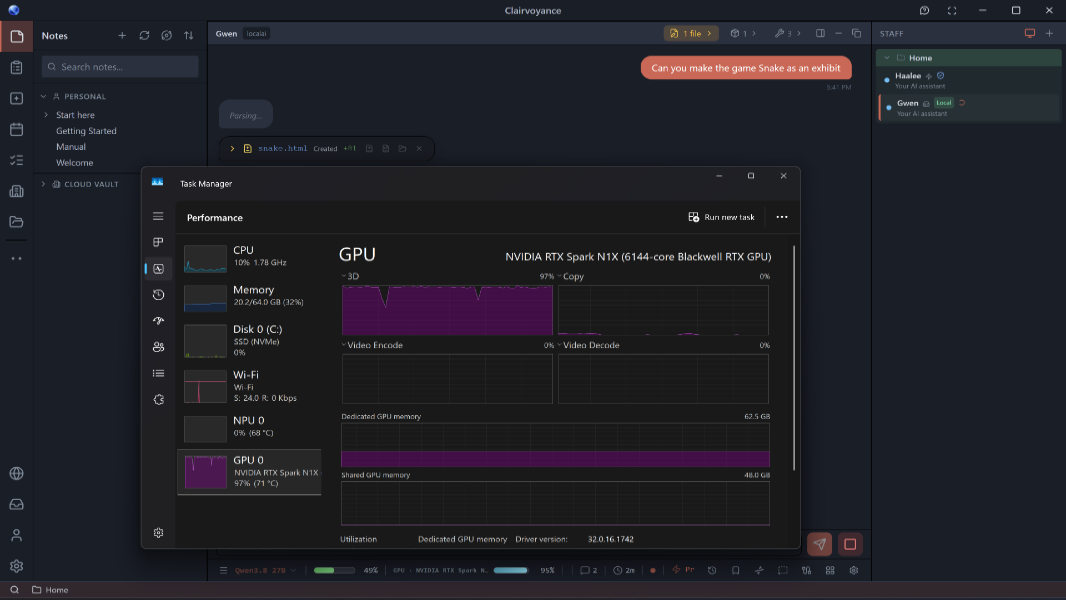
Microsoft and Nvidia are promoting RTX Spark, a new class of Windows PCs for local AI, with a top configuratio…
Dell says its AI Data Platform uses a four-engine architecture and a Unified Semantic Layer to connect siloed…
Microsoft AI CEO Mustafa Suleyman told employees that MAI-Base-2, announced Thursday, is a stronger pre-traine…