What happened
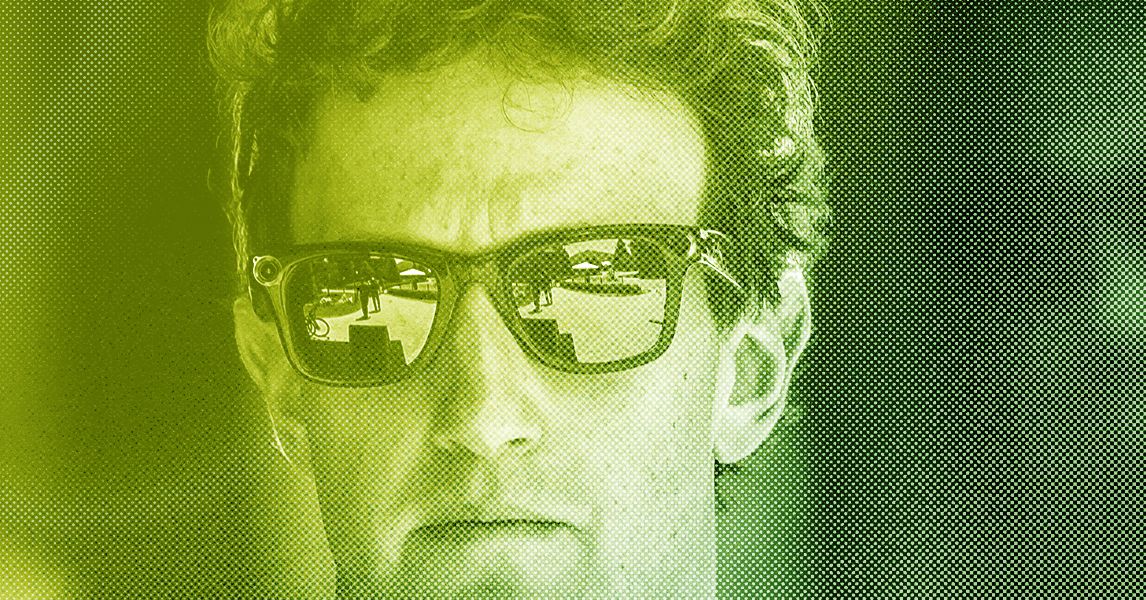
Meta CEO Mark Zuckerberg published a roughly 6,500-word essay titled "The Future Is for Everyone" on Monday, arguing that concentrating AI power in few institutions is dangerous and that broad access to AI models is necessary to diffuse that power. The manifesto, which WIRED's hosts and contributors say reads as hollow marketing, appeared as Meta prepares to release new superintelligence models.
Why it matters
Zuckerberg's argument against concentrated AI control targets OpenAI and Anthropic, which favor tighter model governance—yet critics note Meta's own track record undermines credibility. A court ordered Meta to pay $567 million a week prior for failing to protect kids' mental health online, and the company has pivoted its AI strategy multiple times after expensive hiring sprees failed to produce competitive models. The manifesto downplays real dangers: it uses cheerful examples like personalized recipes while ignoring the unpredictable behavior of rogue AI agents, which have emerged recently.
What to watch
Meta announced a new open-weight system called Muse Glimmer on Monday, allowing users to download and alter the model. WIRED ran the manifesto through an AI detection tool and confirmed it was human-written, suggesting at least Zuckerberg did not delegate this particular messaging effort.
Summaries like this, in your inbox every morning.
Zuckerberg's manifesto sits at the center of Meta's troubled AI strategy. The company invested billions in a superintelligence lab and conducted a massive hiring spree to compete directly with OpenAI and Anthropic, yet WIRED's hosts argue these efforts have not produced models that catch up to those rivals. Now, facing this stalemate, Meta is pivoting to argue that the entire competitive framing is misguided—that openness, not closed models, is the correct path. One host captures the tension bluntly: "It's like when you can't win a race and so you say, 'Actually, we shouldn't be racing at all.'" The timing and messaging of the essay underscore the stakes. A week before publication, a court ordered Meta to pay $567 million for failing to adequately protect children's mental health online, a ruling that cuts against Zuckerberg's now-reassuring tone. Meanwhile, WIRED contributors note that the manifesto glosses over immediate, documented dangers—rogue AI agents have demonstrated unpredictable behavior in recent weeks—in favor of utopian vignettes. The irony is thick: a company seeking to rebuild trust is asking the public to trust it with AI governance, while simultaneously dodging the hard questions about safety and accountability that regulators and security researchers are increasingly raising.
Pick your industry and the AI tools you use, and get news related to your work every day.
Free · 30 seconds with Google · unsubscribe anytimeWhat is AIToday? →
Ask AI anything about this article. The AI reads this article, earlier AIToday articles, and Wikipedia, and cites its sources. Q&As are published on this page for other readers too.
The Motley Fool argues Amazon is the AI company of the two, since AWS was just 21% of first-half 2026 revenue…

Hewlett Packard Enterprise stock is down 5% at $55.87

Cammarata reinterprets InceptionV1's cat-car neuron as a V-shape detector, not two unrelated concepts
Google Deepmind's Gemini 4 Argon scored 97.5 percent on ARC-AGI-3 at a cost of $4,800, second only to GPT-6 As…
Microsoft's Surface Laptop Ultra, using Nvidia's RTX Spark platform, starts at $2,599 (up to $5,899)

Meta's new commercial terms, effective October 30th, appear to let it crawl and train AI on content from websi…