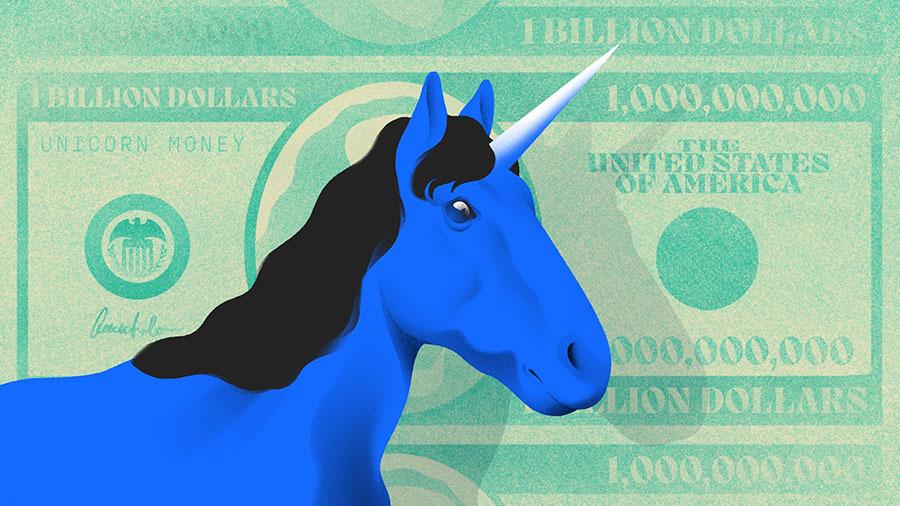
What happened
Sequoia Capital, Khosla Ventures, and Y Combinator are the most active investors backing newly minted unicorns in 2026. So far this year, 250 companies have joined the unicorn board through August 15, up from 193 in 2025. Of these, 139 are U.S.-headquartered and 47 are from China.
Why it matters
The unicorn cohort is heavily concentrated in robotics, AI labs, healthcare and biotech, financial services, AI infrastructure, and AI deployment. Most funding—$74 billion out of $98 billion (75%)—occurred in 2026 itself, reflecting how rapidly capital is flowing to newly valued companies. The top investors combine early-stage access with resources to back companies as they scale.
What to watch
Seed investors like Y Combinator and BoxGroup punch above their weight: Y Combinator had the largest seed portfolio count alongside Sequoia Capital, while BoxGroup—which invests in far fewer companies than Y Combinator—achieved the third-largest seed count. The body notes that whether this year's unicorns can turn rapid capital formation into durable, category-defining businesses remains to be tested.
Summaries like this, in your inbox every morning.
The 2026 unicorn cohort marks a significant acceleration in both the number of startups reaching billion-dollar valuations and the concentration of capital behind them. With 250 companies joining the board through mid-August, the year is already on track to substantially exceed 2025's total of 193. This growth is driven by capital flowing heavily into technology-adjacent sectors—robotics, AI labs, and AI infrastructure dominate the cohort alongside healthcare and biotech—reflecting investor appetite for companies positioned at the intersection of emerging technologies and established industries.
The funding pattern itself is striking: 75% of the $98 billion raised by these companies came in 2026 alone, meaning that most of these startups reached unicorn status rapidly within the same year. Yet the foundation for that explosive 2026 funding was laid earlier; seed rounds began as far back as 2012, and Series B funding picked up in 2017, showing that many of these companies took years to reach billion-dollar valuation. The composition of the investor base reflects this maturation: established multistage venture firms like Sequoia Capital, Khosla Ventures, and Andreessen Horowitz dominate the top ranks, though early-stage specialists like Y Combinator and BoxGroup still punch well above their typical investment footprint in this cohort.
Pick your industry and the AI tools you use, and get news related to your work every day.
Free · 30 seconds with Google · unsubscribe anytimeWhat is AIToday? →
Ask AI anything about this article. The AI reads this article, earlier AIToday articles, and Wikipedia, and cites its sources. Q&As are published on this page for other readers too.
Supermicro Computer appointed Mark Long as chief financial officer, bringing an experienced technology finance…
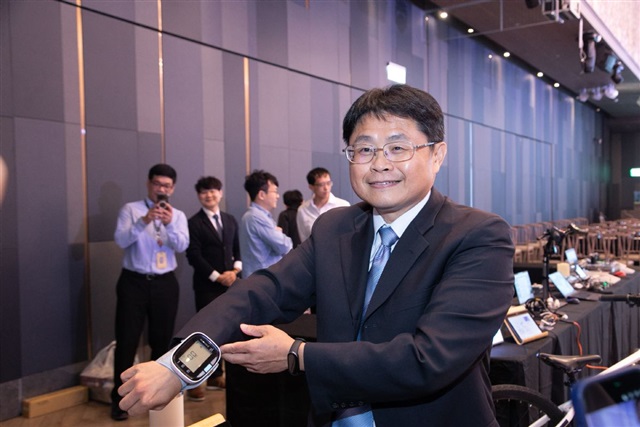
Holtek Semiconductor unveiled its 2026 product roadmap on October 15, focusing on four core areas: smart prote…
TSMC reported about NT$763.1b in Q3 net profit and confirmed that demand for advanced processors is running ah…

Nvidia-backed CoreWeave steadied Thursday after a sharp slump, as investors worried about the debt financing b…
TOPPAN Holdings and Keio University ran a quantum-computer and generative-AI proof-of-concept from February 1…
Weathernews said on October 15 it implemented its own AI weather-forecasting model, AI-Nowcast, in its Weather…